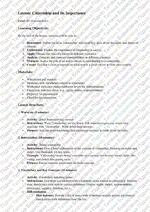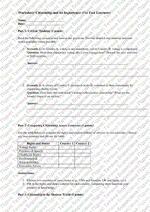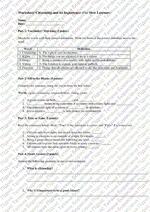
The lesson on "Citizenship and Its Importance" was well-structured, engaging, and catered to various learning speeds, ensuring that both slow and fast learners had opportunities to participate and succeed. The introduction to citizenship, focusing on its definition and key terms, was clear and easy to understand, particularly for students at a B1 English level. The use of flashcards and vocabulary matching activities helped solidify their understanding of essential concepts like rights, duties, and responsibilities. Differentiation was evident in how tasks were adjusted for learners at different paces. Slow learners benefited from sentence starters and simplified case studies, while fast learners were encouraged to think critically and make deeper connections with the material.
The group discussion about the importance of being a good citizen fostered peer interaction and allowed students to articulate their thoughts. The case study analysis activity was effective in applying the concepts of citizenship to real-world scenarios, further reinforcing their learning. Differentiated case studies ensured that all students, regardless of their ability level, could contribute meaningfully to the conversation. The "Citizenship Code of Conduct" activity was an excellent way to encourage creativity and teamwork, with students developing a set of duties that reflect the core ideas of the lesson.
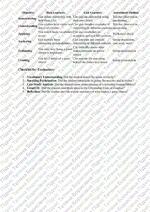
The assessment checklist provided a clear framework for evaluating students' understanding and participation. Overall, the lesson was both educational and interactive, promoting both cognitive and social learning. It successfully met the learning objectives and ensured that all students, regardless of their level, had the opportunity to grasp the importance of citizenship.