- Всеосвіта›
- Бібліотека тестів›
- Економіка›
- CONCEPTUAL FOUNDATIONS

Тест:
CONCEPTUAL FOUNDATIONS

04.11.2024
Вміст тесту:
1
2
3
4
5
6
7
8
9
10
11
12
13
14
15
16
17
18
19
20
21
22
23
24
25
26
27
28
Тест містить питання скопійовані з: (Копія) Corporate reputation in contemurary.
1
1 з 28 балів
neo-classical economic theory suggest that the question of ‘who counts’ extends to other groups besides shareholders who are considered to be important for the continuity of the organization and the welfare of society
2
1 з 28 балів
Which model is that? Organization is the centre of the economy, where investors, suppliers and employees are depicted as contributing inputs (such as investments, resources, labour), which the ‘black box’ of the organization transforms into outputs for the benefit of customers
3
1 з 28 балів
Normative reasons point to a connection between stakeholder management and corporate performance.
4
1 з 28 балів
an interest or a share in an undertaking, [that] can range from simply an interest in an undertaking at one extreme to a legal claim of ownership at the other extreme
5
1 з 28 балів
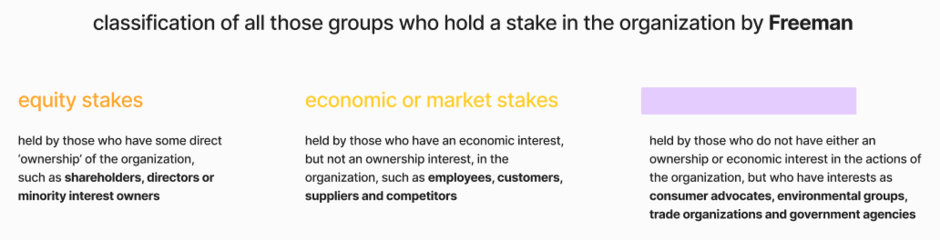
6
1 з 28 балів
Primary stakeholder groups are defined as those who generally influence or affect, or are influenced or affected by, the organization, but they are not engaged in financial transactions with the organization and are not essential for its survival in strictly economic terms.
7
1 з 28 балів
______ stakeholders involve those groups whose relationship with the organization is non-contractual and more diffuse, although their relationship is nonetheless real in terms of its impact.
8
1 з 28 балів
Name of all stakeholders. But write what this model is called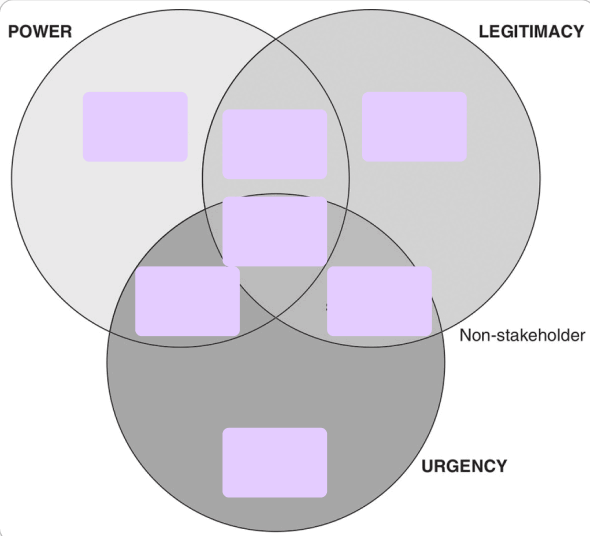
9
1 з 28 балів
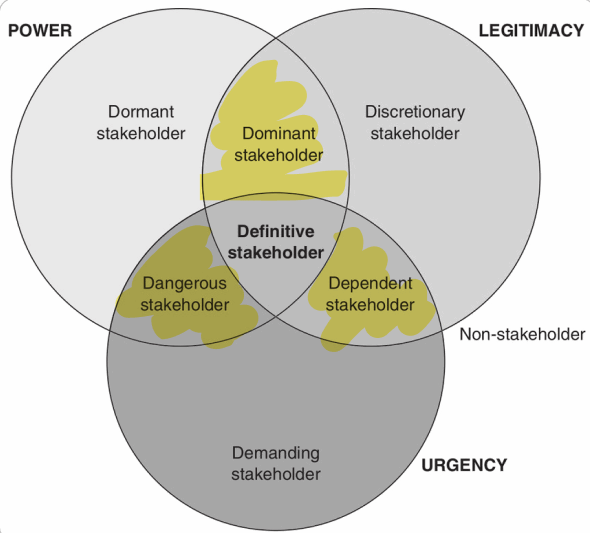
Name how these stakeholders are called
10
1 з 28 балів
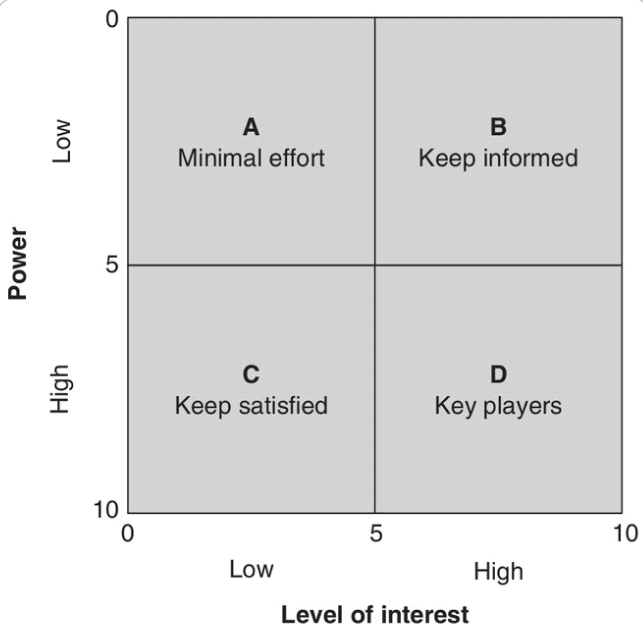
Who is the most dangerous?
11
1 з 28 балів
Dialogue strategy—a strategy whereby an organization, through campaigns, meetings, and discussions with stakeholders, tries to change and tune the knowledge, attitude, and behaviour of stakeholders in a way that is favourable to the organization.
12
1 з 28 балів
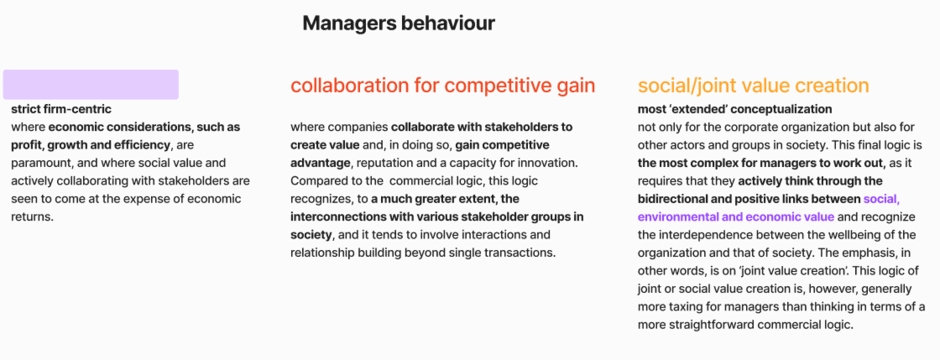
13
1 з 28 балів
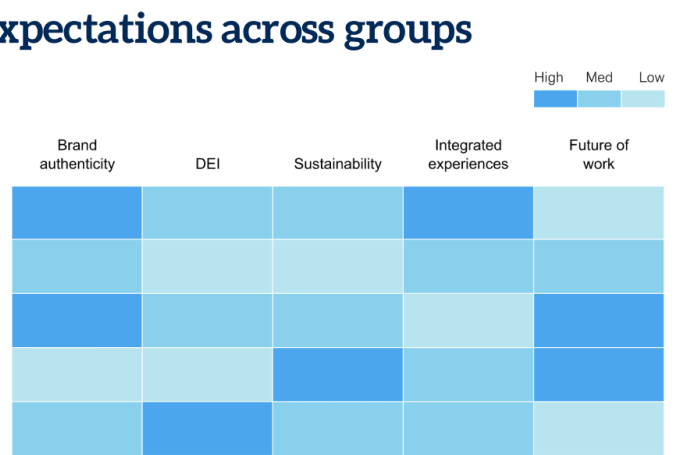
Who from the stakeholders can be in the fourth row?
14
1 з 28 балів
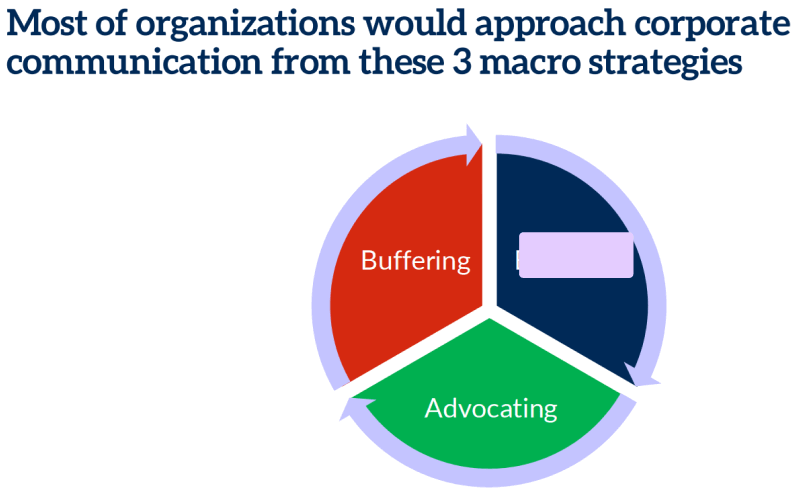
15
1 з 28 балів
Explain what buffering means
16
1 з 28 балів
An organization’s _____ often already includes a statement on the beliefs that constitute the organization’s culture and underpin its strategy and suggests how the organization wants to be known by stakeholder groups outside the organization.
17
1 з 28 балів
The tangible manifestation of a corporate _____ is a corporate identity.
18
1 з 28 балів
corporate identity we can present through
19
1 з 28 балів
authenticity - the degree to which an organization communicates values that are embedded in its culture
20
1 з 28 балів
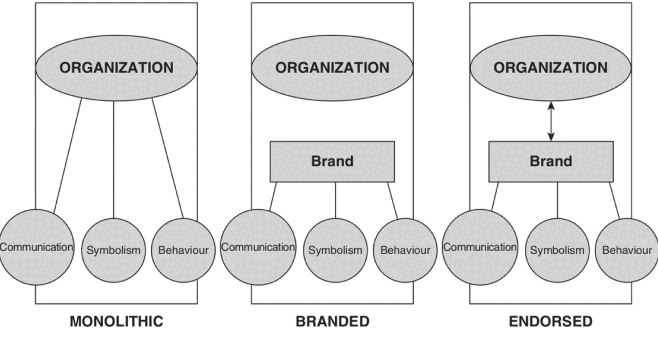
Where we can put Nestle?
21
1 з 28 балів
Points-of-difference are features and associations that are not necessarily unique to the brand but may be shared by other competing brands. They may nonetheless still be important to consumers and other stakeholders as ‘hygiene factors’. In other words, these features may not be the prime reason for liking or choosing a brand, but their absence can certainly be a reason to exclude or discount a brand.
22
1 з 28 балів
To which gap can we relate this set of questions?
"What images do stakeholders associate with the organization?
In what ways do its employees and stakeholders interact?
Do employees care what stakeholders think of the organization?"
23
1 з 28 балів
involves the use of public relations techniques for marketing purposes which was found to be a cost-effective tool for generating awareness and brand favourability
24
1 з 28 балів
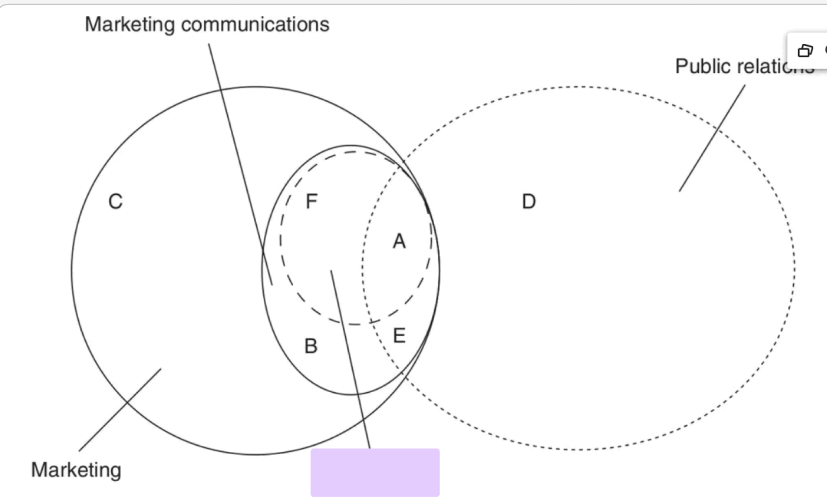
25
1 з 28 балів
a concept of marketing communication planning that recognizes the “added value” of a comprehensive plan that evaluates the strategic role of a variety of disciplines (advertising, direct marketing, sales promotions and public relations) and combines these disciplines to provide clarity, consistency and maximum communication impact
26
1 з 28 балів
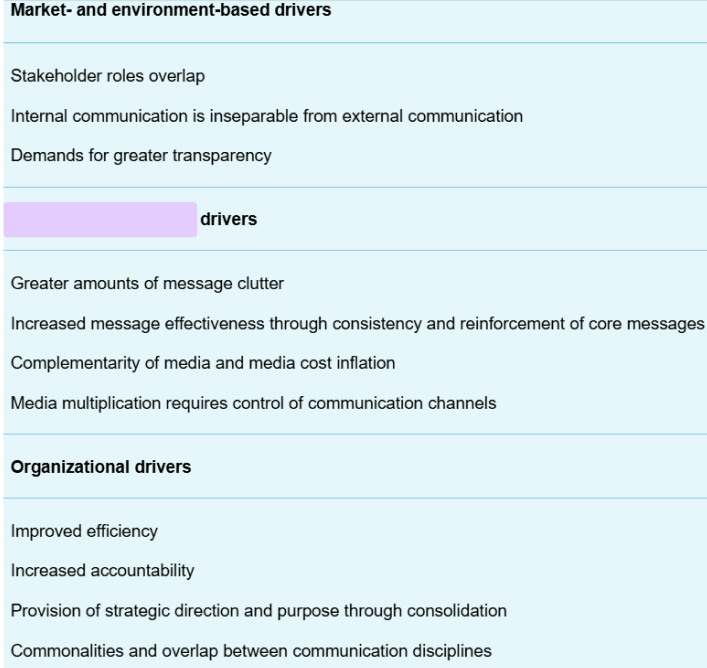
27
1 з 28 балів
this model is one where practitioners start with their own objectives, develop extensive communication plans and then assume that, through creative and powerful adverts, PR campaigns and other media, the organization’s reputation can be strengthened or maintained
28
1 з 28 балів
Social ________ is generally enabled by the intimacy and immediacy of a medium and can be expected to be somewhat lower for more digital and mediated forms of communication (e.g. telephone conversation, email) than for direct interpersonal interactions (e.g. face-to-face discussion).
Рефлексія від 0 учнів
Сподобався:
0
Так: 0
Ні: 0
Зрозумілий:
0
Так: 0
Ні: 0
Потрібні роз'яснення:
0
Ні: 0
Так: 0