

PS
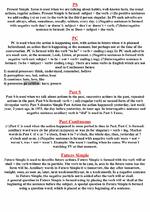
Present Simple Tense is used when we are talking about habits, well-known facts, the usual actions, regular actions. Present Simple is formed: subject + the verb. (+)In positive sentenses we add ending (-s) or (-es) to the verb in the third person singular. In PS such adverbs are used: always, often, sometimes, usually, seldom, every day. (-)Negative sentenses is formed with negative verb don`t or doesn`t: subject + don`t or doesn`t + verb. (?)Interrogative sentence is formed: Do or Does + subject + the verb.
PC
PC is used when the action is happening now, with action in future when it is planned beforehand, an action that is happening at the moment, but perhaps not at the time of the conversation. PC is formed with the verb “to be” + verb + ending (-ing). In PC such adverbs are used: now, at the moment, Look, Listen, at present. (-)Negative sentenses is formed with negative verb not: subject + to be + not + verb+ ending (-ing). (?)Interrogative sentence is formed: To be + subject + verb+ ending (-ing). There are some verbs in English which are not used in Continuous forms:
1) mental processes: think, understand, remember, believe
2) perception: see, feel, notice, hear
3) emotions: hate, love, like
4) possession pəˈzeSHən: have, possess
Past S
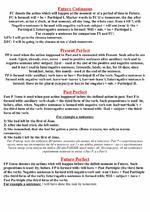
Past S is used when we talk about actions in the past, successive actions in the past, repeated actions in the past. Past S is formed: verb + (-ed) (regular verb) or second form of the verb (irregular verb). Past S denotes Simple Past Action the action happened: yesterday, last week\year, 2 years ago, in 1973, the day before yesterday, in hour ago. In interrogative sentence and negative sentence auxiliary verb is “did” is used in Past S Tense.