

Seven Wonders of the Natural World
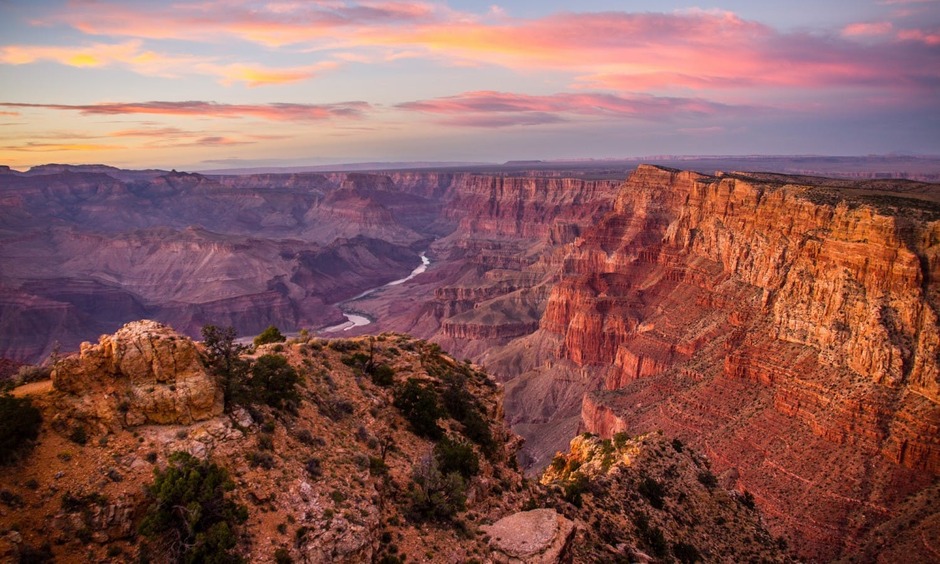
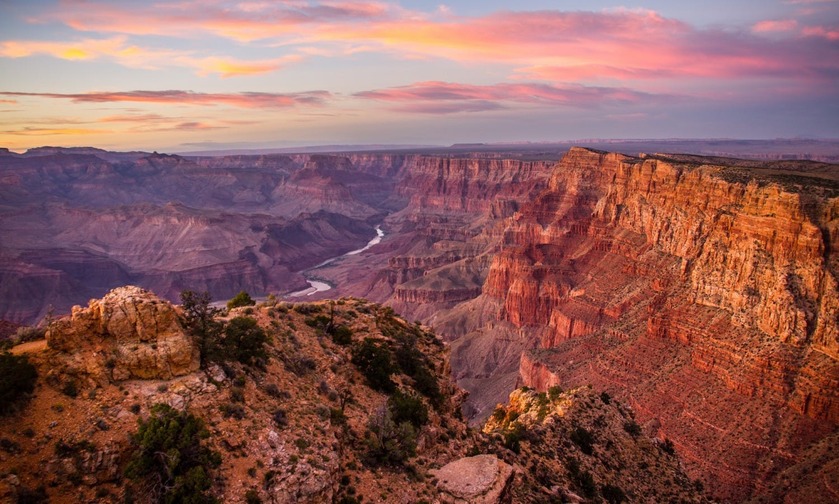 The Grand Canyon is in the state of Arizona in the USA .The Colorado River, which runs through the Canyon, has gradually made the impressive formations visitors see. The Grand Canyon is 446 km long, up to 29 km wide and has got s depth of over 1600 m. The many layers of rock in the Canyon are thought to be over two billion years old!
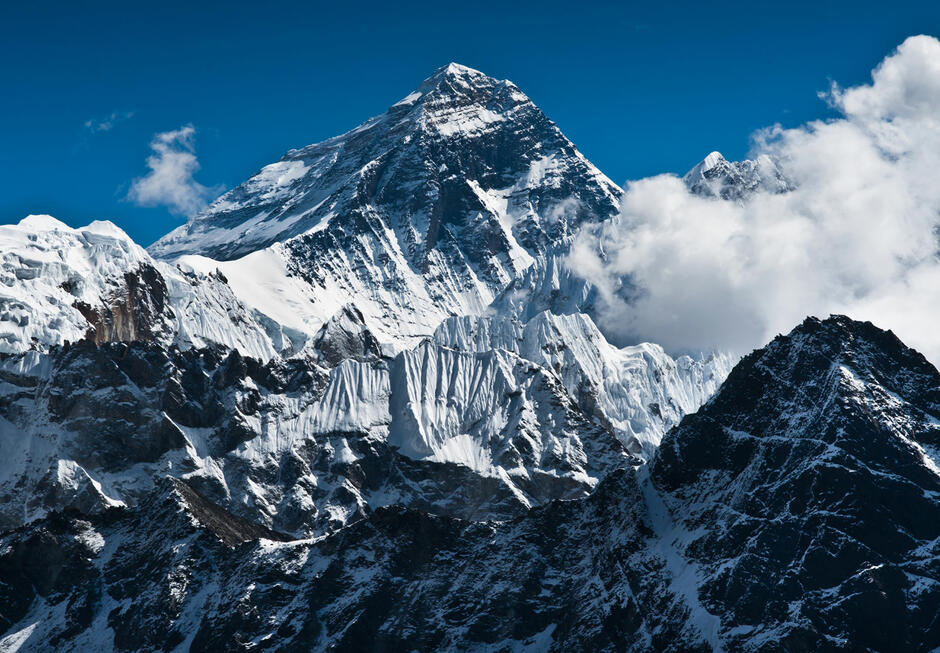
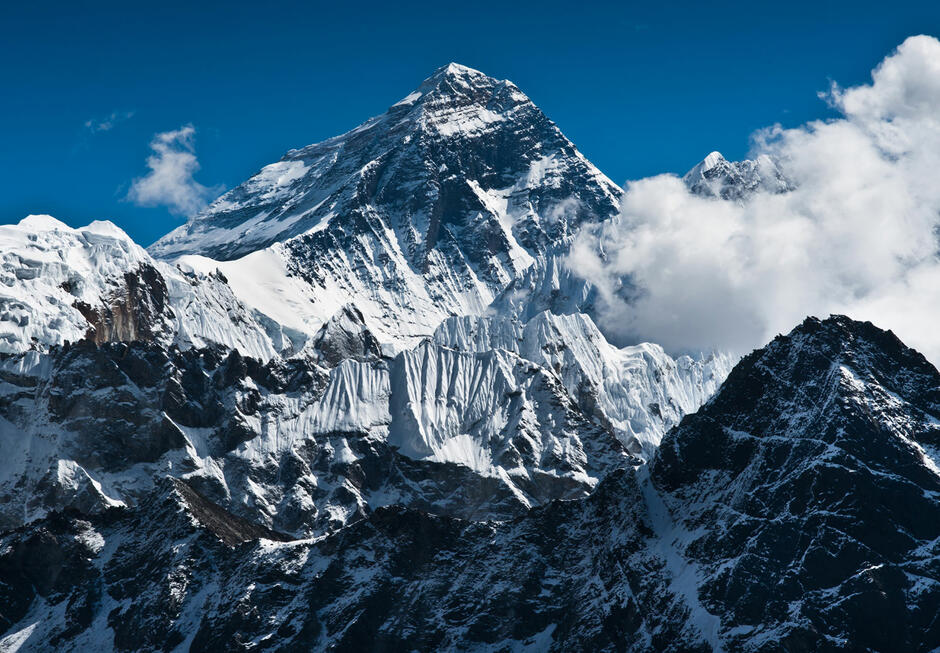 Mount Everest is part of the Himalayan mountain range in Asia. Standing at over 8800 m, it is the highest mountain in the world and also one of the youngest. Scientists believe the Himalayan mountains were created millions of years ago when India, which was then a separate continent, and Asia crashed into each other.
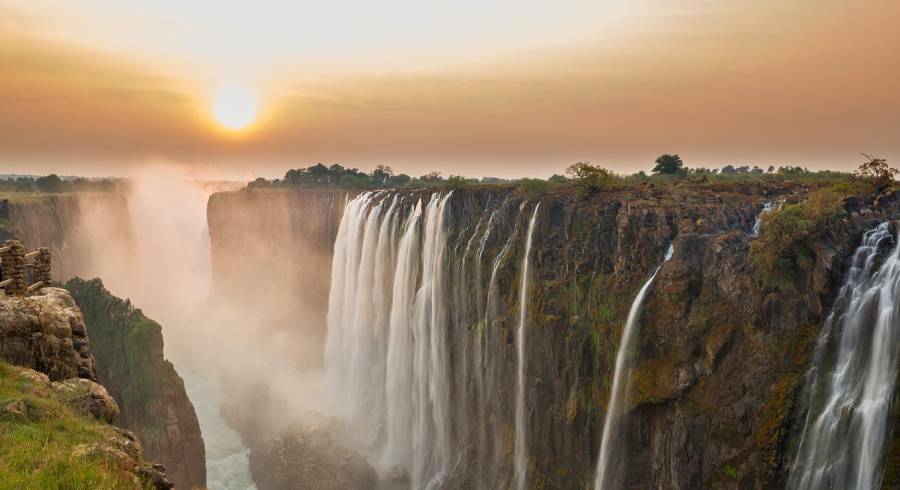
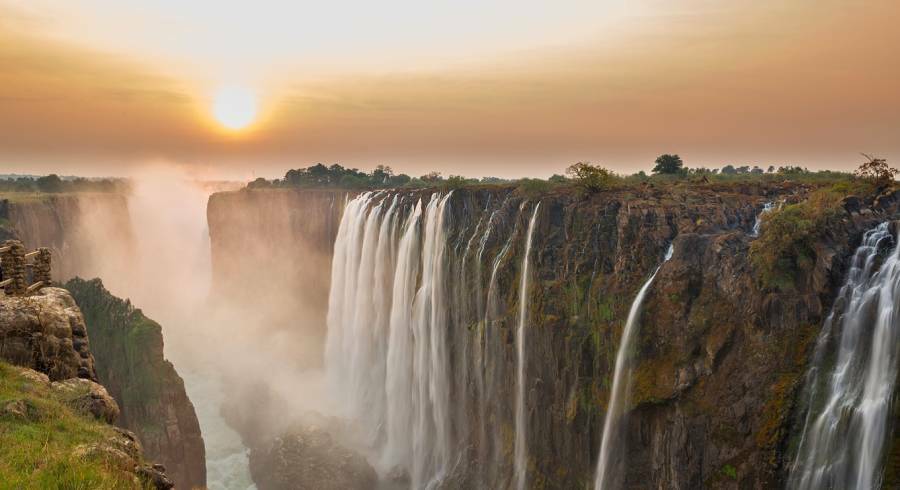 Victoria Falls is a magnificent waterfall. It is 1700 m wide, making it the largest curtain of water in the world. The falls are on the Zambezi River, which marks the border between Zambia 🇿🇲 and Zimbabwe 🇿🇼 in Africa. You can see and hear the roaring of the falls from many miles away. The people of that area call it Mosi-oa-Tunya which means 'smoke that thunders'.
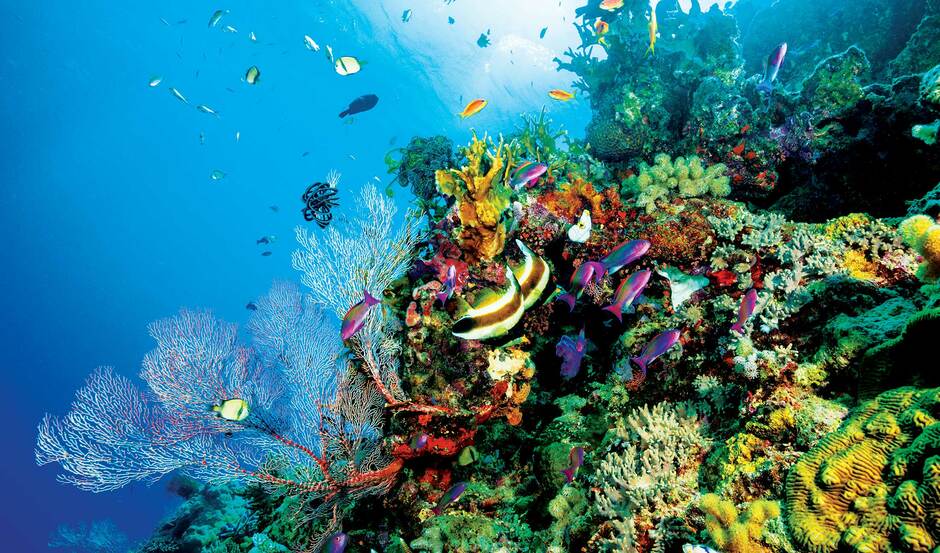
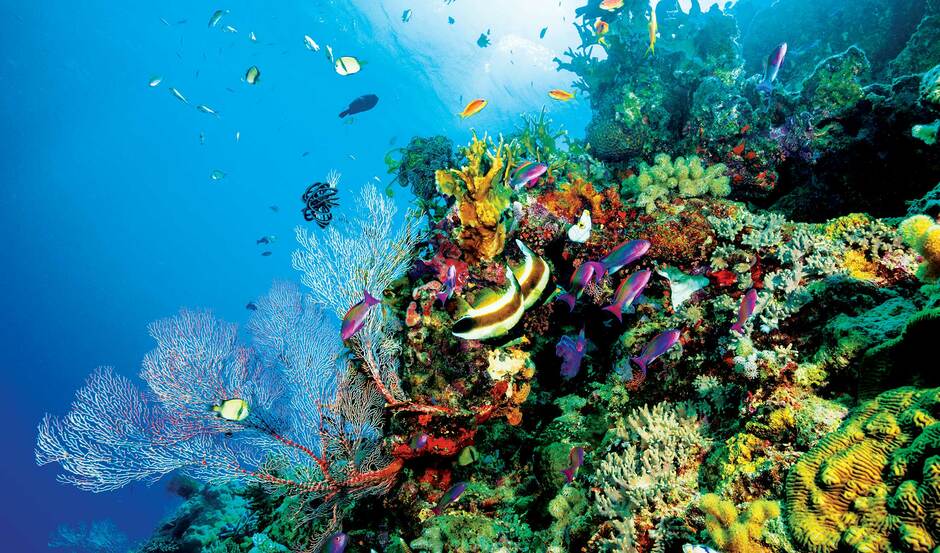 The Great Barrier Reef is close to the North-Eastern coast of Australia 🇦🇺. It is made of living coral, sand and rock. The Great Barrier Reef is home to lots of amazing sea creatures. What makes it so unique is the fact that it stretches for more than 2000 km across the ocean 🌊. It is the world's largest living structure and can be seen from outer space!
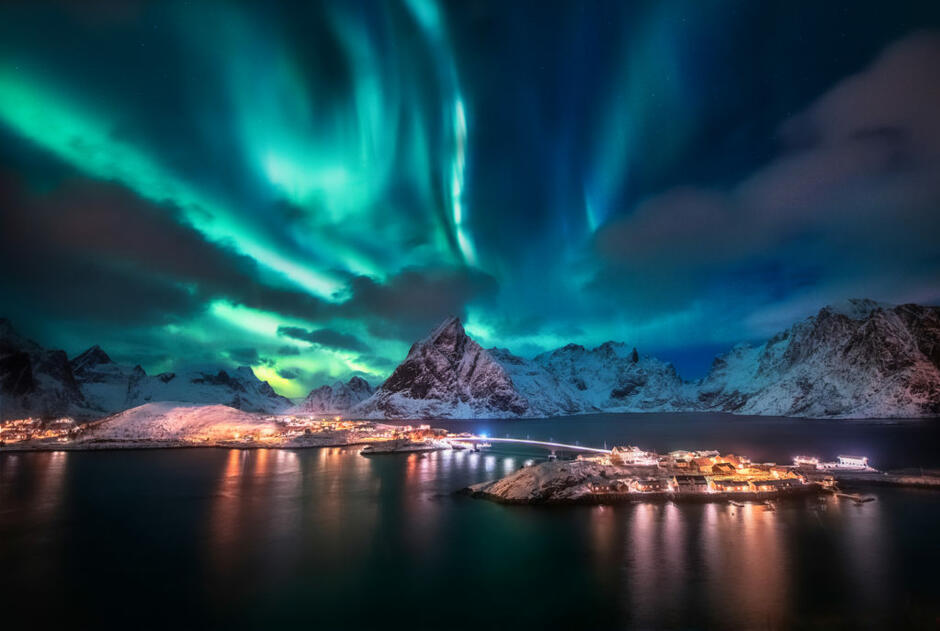
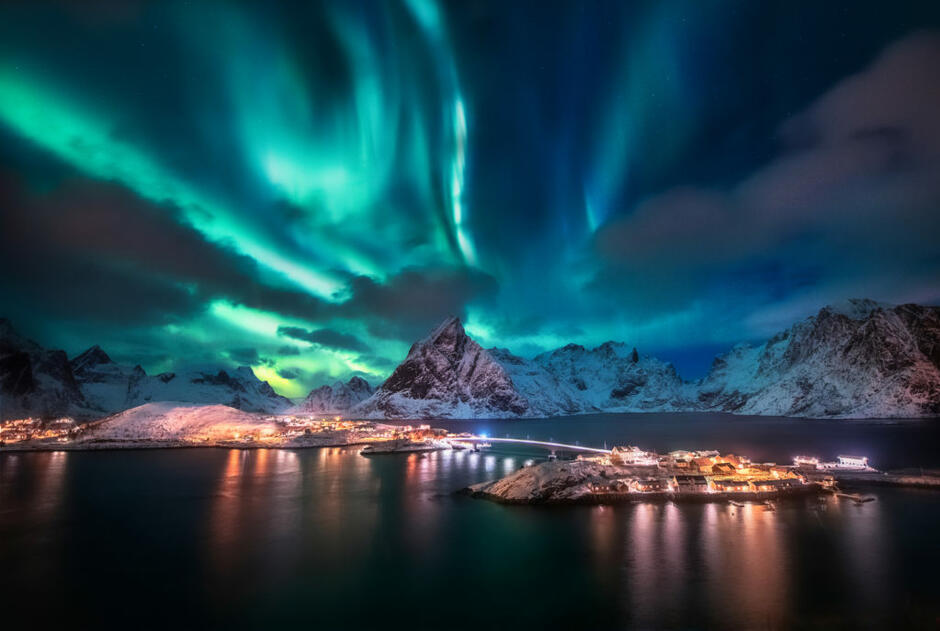 The Northern Lights, also called the Aurora Borealis, is a natural light display that dances across the night sky. You can see this impressive light show, particularly in the skies of the northern region. It is most intense from December to March when nights are longer, the sky is clearer and darker. The Northern Lights give off colours that include red, green, blue and violet, and a single display can last 10 to 15 minutes. The lights are created by storms on the sun ☀️ which affect the magnetic poles on Earth 🌎.
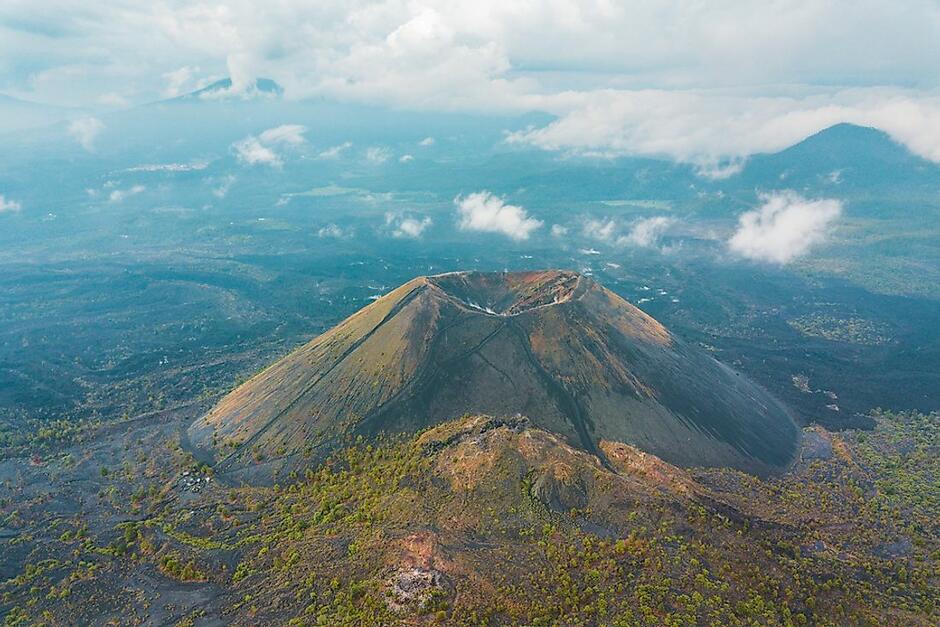
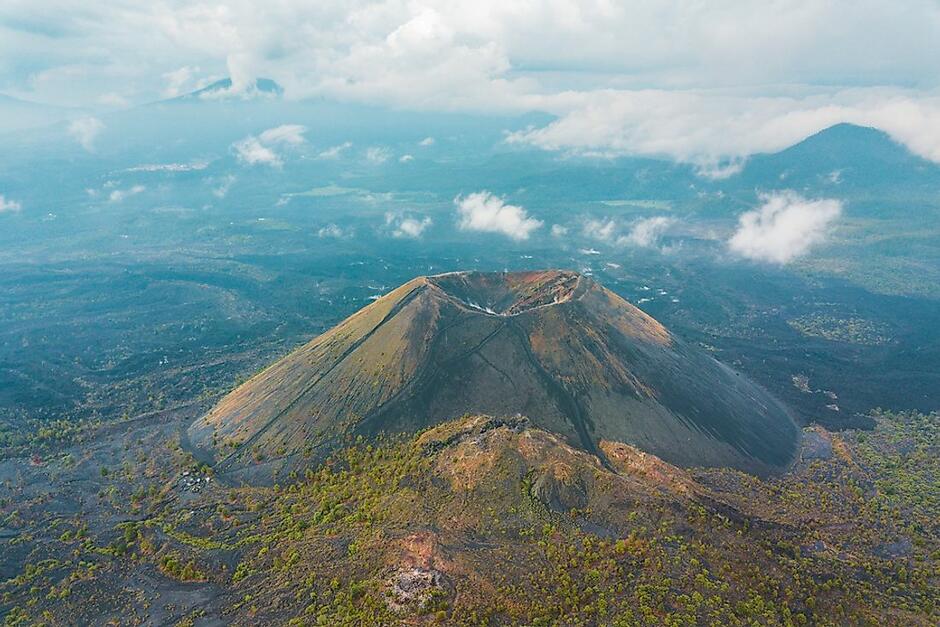 Paricutin is a volcano 🌋 located in Michoacan, Mexico. On 20th February in 1943 the group under a cornfield cracked open and out of it exploded a volcanic cone made of rock and lava. The amazing 🤩 event was actually witnessed by an Indian farmer. The eruptions continued and the cone reached more than 335 m high within a year. The cone continued to grow for 8 years but added only another 88 m. It is now about 3000 m high.
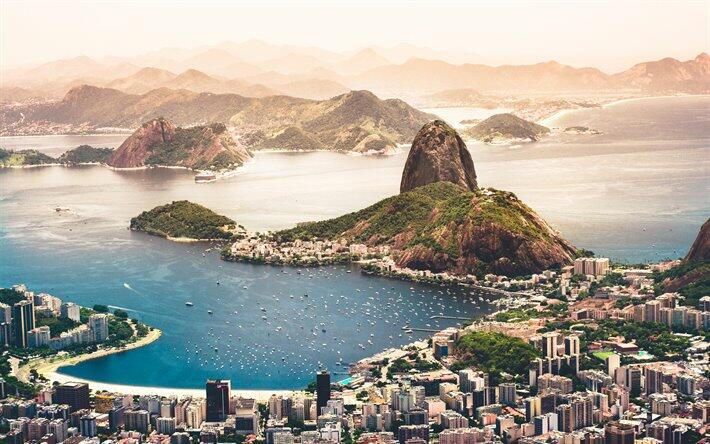
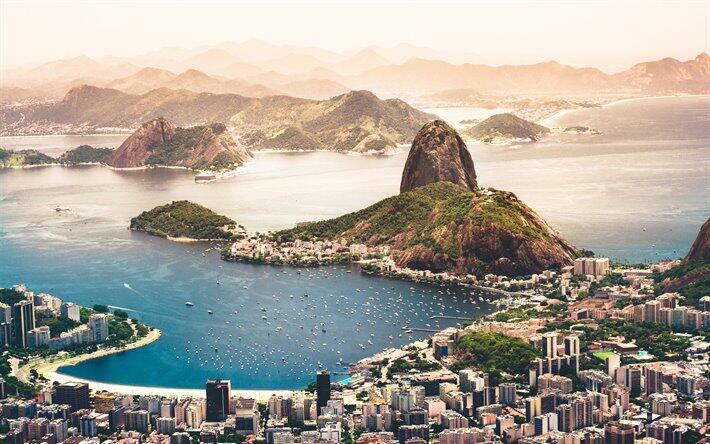
The Harbour of Rio de Janeiro, located in Brazil, is one of the largest natural harbours in the world. The dark blue water of the harbour is surrounded by spectacular mountains including the famous Sugar Loaf Mountain and Corcovado Mountain. The natural harbour also has some of the world's most beautiful✨ and famous beaches 🏖 such as Copacabana and Ipanema.