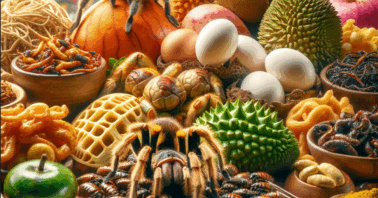
Фото обкладинки згенеровано ШІ.
Фото страв
https://zenpop.jp/blog/post/1086/weirdest-japanese-food
https://mhermkrtchyan.home.blog/2023/02/08/anusual-food-around-the-world-english/
https://www.tentationfromage.fr/pages/fromage-casu-martzu
https://www.gocambodia.tours/enjoy-black-spider-amazing-specialty-cambodia/
https://www.okelihat.com/kuliner/93541704/jelajahi-sannakji-kuliner-unik-khas-korea-selatan
https://www.flickr.com/photos/sesseljamaria/1814435667
https://www.kompasiana.com/image/mildaniati/65a2a2d2de948f7fa37b9547/apa-itu-balut-embrio?page=1
- Всеосвіта›
- Бібліотека тестів›
- Англійська мова›
- Reading. Text "Five of the Weirdest Foods in the World"

Тест:
Reading. Text "Five of the Weirdest Foods in the World"
23.10.2024
Вміст тесту:
1
2
3
4
5
6
7
8
9
10
11
12
1
1 з 12 балів
Read the text.
Five of the Weirdest Foods in the World
Food is a big part of culture, and every country has its unique dishes. Some of these foods may seem strange or even a little scary to people from other places. Let’s take a look at five of the weirdest foods from around the world!
Balut (The Philippines)
Balut is a fertilized duck egg with a partially developed embryo inside. People boil it and eat it straight from the shell! It’s a popular street food in the Philippines, especially at night, and is said to be high in protein and vitamins. Many people enjoy it with salt, vinegar, and chili. The taste is described as a mix of egg yolk and tender meat. Though it might seem unusual, balut is considered a delicacy and is also believed to be an energy booster.Hákarl (Iceland)
Hákarl is a traditional Icelandic dish made from Greenland shark, which is toxic when fresh due to high levels of urea. To make it safe to eat, the meat is buried underground for a few months to ferment, and then it’s hung to dry. The process removes the toxins but leaves a strong, ammonia-like smell. Even some Icelanders find it hard to eat because of the strong taste, but it’s considered a cultural experience for visitors. People usually eat small bites of hákarl with a shot of schnapps called “brennivín” to wash it down.Casu Marzu (Italy)
Casu Marzu, which translates to “rotten cheese,” comes from Sardinia, Italy. Made from sheep’s milk, this cheese contains live maggots that help ferment the cheese by breaking down the fats, making it softer and more flavourful. The cheese is illegal in some places due to health risks, but it’s still made and eaten in Sardinia. Some people say the maggots add a spicy taste. Traditionally, it’s eaten with Sardinian flatbread and red wine. While it might sound extreme, Casu Marzu is a point of pride for many locals.Sannakji (South Korea)
Sannakji is a dish of raw baby octopus, but what makes it unique is that the octopus is served while it’s still moving! The tentacles are cut into small pieces, and because of the nerve activity, they continue to wiggle on the plate. Diners dip the moving pieces in sesame oil and chew them carefully to avoid choking, as the suction cups are still active. Sannakji is a popular delicacy in South Korea, especially at seafood restaurants, and is loved for its freshness and chewy texture.Fried Tarantulas (Cambodia)
In Cambodia, fried tarantulas are a popular snack, especially in the town of Skuon, which is known as the "spider town." These large spiders, typically about the size of a human hand, are caught in the wild and deep-fried until crispy. They are eaten like chips, and people say they taste a bit like crab or chicken, with a crunchy exterior and a soft center. They are often seasoned with salt, garlic, and sugar. Cambodians began eating tarantulas during the Khmer Rouge era when food was scarce, and they have remained a delicacy ever since._____________
Choose the correct variant.
The synonym for "weird" is _________.
2
1 з 12 балів
Match the photo to the name of the food.
There are two extra photos that you don't need to use.
1
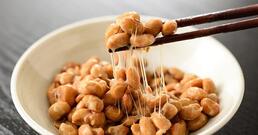
А
Sannakji
2
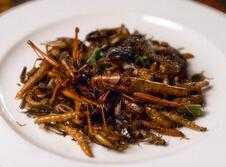
Б
Fried Tarantulas
3
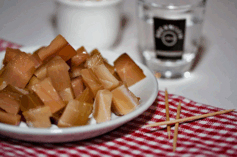
В
Casu Marzu
4
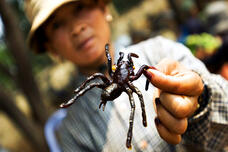
Г
Hákarl
5
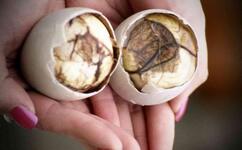
Ґ
Balut
6
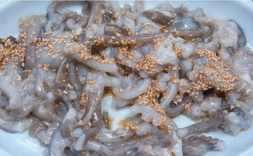
7
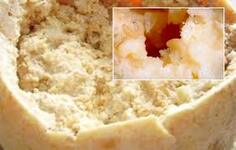
3
1 з 12 балів
Read the text.
Five of the Weirdest Foods in the World
Food is a big part of culture, and every country has its unique dishes. Some of these foods may seem strange or even a little scary to people from other places. Let’s take a look at five of the weirdest foods from around the world!
Balut (The Philippines)
Balut is a fertilized duck egg with a partially developed embryo inside. People boil it and eat it straight from the shell! It’s a popular street food in the Philippines, especially at night, and is said to be high in protein and vitamins. Many people enjoy it with salt, vinegar, and chili. The taste is described as a mix of egg yolk and tender meat. Though it might seem unusual, balut is considered a delicacy and is also believed to be an energy booster.Hákarl (Iceland)
Hákarl is a traditional Icelandic dish made from Greenland shark, which is toxic when fresh due to high levels of urea. To make it safe to eat, the meat is buried underground for a few months to ferment, and then it’s hung to dry. The process removes the toxins but leaves a strong, ammonia-like smell. Even some Icelanders find it hard to eat because of the strong taste, but it’s considered a cultural experience for visitors. People usually eat small bites of hákarl with a shot of schnapps called “brennivín” to wash it down.Casu Marzu (Italy)
Casu Marzu, which translates to “rotten cheese,” comes from Sardinia, Italy. Made from sheep’s milk, this cheese contains live maggots that help ferment the cheese by breaking down the fats, making it softer and more flavourful. The cheese is illegal in some places due to health risks, but it’s still made and eaten in Sardinia. Some people say the maggots add a spicy taste. Traditionally, it’s eaten with Sardinian flatbread and red wine. While it might sound extreme, Casu Marzu is a point of pride for many locals.Sannakji (South Korea)
Sannakji is a dish of raw baby octopus, but what makes it unique is that the octopus is served while it’s still moving! The tentacles are cut into small pieces, and because of the nerve activity, they continue to wiggle on the plate. Diners dip the moving pieces in sesame oil and chew them carefully to avoid choking, as the suction cups are still active. Sannakji is a popular delicacy in South Korea, especially at seafood restaurants, and is loved for its freshness and chewy texture.Fried Tarantulas (Cambodia)
In Cambodia, fried tarantulas are a popular snack, especially in the town of Skuon, which is known as the "spider town." These large spiders, typically about the size of a human hand, are caught in the wild and deep-fried until crispy. They are eaten like chips, and people say they taste a bit like crab or chicken, with a crunchy exterior and a soft center. They are often seasoned with salt, garlic, and sugar. Cambodians began eating tarantulas during the Khmer Rouge era when food was scarce, and they have remained a delicacy ever since._____________
Choose the correct variant.
Which statement best describes balut?
Запитання №4 З однією правильною відповіддю
Запитання №5 З однією правильною відповіддю
Запитання №6 З однією правильною відповіддю
Запитання №7 З однією правильною відповіддю
Запитання №8 З однією правильною відповіддю
Запитання №9 З однією правильною відповіддю
Запитання №10 З однією правильною відповіддю
Запитання №11 З вибором правильної відповіді у тексті
Запитання №12 З вибором правильної відповіді у тексті
Рефлексія від 0 учнів
Сподобався:
0
Так: 0
Ні: 0
Зрозумілий:
0
Так: 0
Ні: 0
Потрібні роз'яснення:
0
Ні: 0
Так: 0