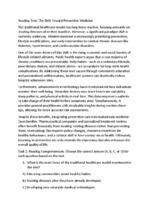
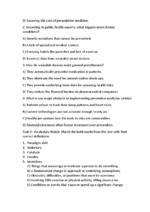
The text explores the ongoing transition from a reactive healthcare model (treating existing illnesses) to a proactive, preventive approach. It highlights that chronic conditions like diabetes and heart disease are largely driven by daily lifestyle choices, such as poor diet and lack of exercise. The article emphasizes how wearable technology assists both patients and doctors by tracking health metrics in real time. Finally, it addresses the financial and structural obstacles to this shift, noting that traditional medical systems often profit more from treatment than prevention, and calls for policy updates to reward healthy habits.
Бібліотека методичних матеріалів
- Всеосвіта›
- Бібліотека методичних матеріалів›
- Англійська мова›
- ZNO Preparation. Reading. Topic: "Health and Diseases."

Матеріал:
ZNO Preparation. Reading. Topic: "Health and Diseases."
docx 
23.05.2026
10 Клас, 11 Клас, 12 Клас, I курс, II курс, III курс, IV курс, VI курс, Дорослі, Змішаний
80
0
2


2
Є в колекціях
Опис методичного матеріалу:
Вміст матеріалу:
Доступ до плеєра. Вбудувати плеєр: