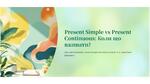
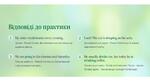
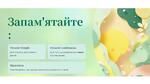
This presentation explains two important English grammar tenses: Present Simple and Present Continuous. These tenses are used to talk about actions that happen in the present, but they describe different types of situations.
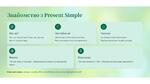
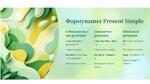
First, the presentation explains the Present Simple tense. This tense is used to talk about regular actions, habits, routines, and general facts. For example, we use it when we describe daily activities, such as going to school, doing homework, or playing sports. It is also used for things that are always true, like scientific facts or general truths. The presentation shows how to form sentences in the Present Simple and explains when we use helping verbs like do and does in questions and negative sentences.
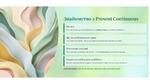
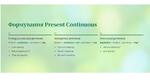
The second part of the presentation focuses on the Present Continuous tense. This tense is used to describe actions that are happening right now or at the moment of speaking. It is formed with the verb to be and the -ing form of the main verb. The presentation includes examples such as “She is reading a book” or “They are studying English now.”
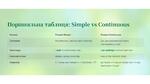
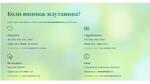
Finally, the presentation compares the two tenses and explains the difference between them. It helps learners understand when to use each tense correctly in everyday communication. Examples, explanations, and simple rules make the topic clear and easy to understand.