- Всеосвіта›
- Бібліотека тестів›
- Англійська мова›
- Reading term 1 form 11

Тест:
Reading term 1 form 11

14.12.2023

Вміст тесту:
1
2
3
4
5
6
7
8
9
10
11
Тест містить питання скопійовані з: 11 ZNO Reading ., 11 F, Reading Variant 2.
1
1 з 14 балів
Read the text.
Advertising in the information age
As new forms of communication are developed, so the world of advertising is changing in response. Basic ideas which advertisers have always believed are being challenged. For example, it used to be said that the more people you reached, the better it was for your business. Not any more!
Today, people are bombarded by information from television, the Internet, newspapers, magazines and countless other media sources. A marketing campaign has to be good to stand out amongst all of these competing messages. Because of this, businesses should aim to get their message not to the most people, but to the right people. This is especially important for small businesses – but how can they do this?
Instead of buying expensive advertising space in magazines, or investing in radio and television airtime, the latest advice is to advertise only to potential customers. If you own a local hairdresser’s, for example, it is better to post leaflets to all the households in your neighbourhood than to advertise on national television. Ask shops that attract similar customers, such boutiques or cosmetics shops, to keep your brochures next to their tills. In exchange, you can do the same for them.
Forget general messages; advertise current offers instead. ‘Have your hair coloured and get a twenty per cent discount throughout January!’ will work better than ‘Great hairstyles to suit all tastes’. Find out about local events and use them in your promotion. Messages like ‘Wouldn’t you love a cool new hairstyle for your school graduation next month?’ will show that you know your customers and are familiar with their needs.
Use the Internet. A website is a cost-effective way of communicating a lot of information: the location of your business, your opening times, your prices, your staff, and so on. That way, you can print simpler brochures. People rarely bother to read advertising literature with too much information. Simply print your main message and add your website address. Potential customers who want to know more about you will know where to look.
Finally, make use of your customers. Make sure they are happy with your services, and ask them to recommend you to their friends. Ask them for their email addresses so that you can keep them informed about special offers. If they agree, there is a good chance that they will forward your emails to their friends. Word of mouth is the best advertising there is.
Choose the correct answer.
According to the author, these days it is a challenge to
2
1 з 14 балів
Read the text.
Advertising in the information age
As new forms of communication are developed, so the world of advertising is changing in response. Basic ideas which advertisers have always believed are being challenged. For example, it used to be said that the more people you reached, the better it was for your business. Not any more!
Today, people are bombarded by information from television, the Internet, newspapers, magazines and countless other media sources. A marketing campaign has to be good to stand out amongst all of these competing messages. Because of this, businesses should aim to get their message not to the most people, but to the right people. This is especially important for small businesses – but how can they do this?
Instead of buying expensive advertising space in magazines, or investing in radio and television airtime, the latest advice is to advertise only to potential customers. If you own a local hairdresser’s, for example, it is better to post leaflets to all the households in your neighbourhood than to advertise on national television. Ask shops that attract similar customers, such boutiques or cosmetics shops, to keep your brochures next to their tills. In exchange, you can do the same for them.
Forget general messages; advertise current offers instead. ‘Have your hair coloured and get a twenty per cent discount throughout January!’ will work better than ‘Great hairstyles to suit all tastes’. Find out about local events and use them in your promotion. Messages like ‘Wouldn’t you love a cool new hairstyle for your school graduation next month?’ will show that you know your customers and are familiar with their needs.
Use the Internet. A website is a cost-effective way of communicating a lot of information: the location of your business, your opening times, your prices, your staff, and so on. That way, you can print simpler brochures. People rarely bother to read advertising literature with too much information. Simply print your main message and add your website address. Potential customers who want to know more about you will know where to look.
Finally, make use of your customers. Make sure they are happy with your services, and ask them to recommend you to their friends. Ask them for their email addresses so that you can keep them informed about special offers. If they agree, there is a good chance that they will forward your emails to their friends. Word of mouth is the best advertising there is.
Choose the correct answer.
According to the author, the most effective way to advertise is to
3
1 з 14 балів
Read the text.
Advertising in the information age
As new forms of communication are developed, so the world of advertising is changing in response. Basic ideas which advertisers have always believed are being challenged. For example, it used to be said that the more people you reached, the better it was for your business. Not any more!
Today, people are bombarded by information from television, the Internet, newspapers, magazines and countless other media sources. A marketing campaign has to be good to stand out amongst all of these competing messages. Because of this, businesses should aim to get their message not to the most people, but to the right people. This is especially important for small businesses – but how can they do this?
Instead of buying expensive advertising space in magazines, or investing in radio and television airtime, the latest advice is to advertise only to potential customers. If you own a local hairdresser’s, for example, it is better to post leaflets to all the households in your neighbourhood than to advertise on national television. Ask shops that attract similar customers, such boutiques or cosmetics shops, to keep your brochures next to their tills. In exchange, you can do the same for them.
Forget general messages; advertise current offers instead. ‘Have your hair coloured and get a twenty per cent discount throughout January!’ will work better than ‘Great hairstyles to suit all tastes’. Find out about local events and use them in your promotion. Messages like ‘Wouldn’t you love a cool new hairstyle for your school graduation next month?’ will show that you know your customers and are familiar with their needs.
Use the Internet. A website is a cost-effective way of communicating a lot of information: the location of your business, your opening times, your prices, your staff, and so on. That way, you can print simpler brochures. People rarely bother to read advertising literature with too much information. Simply print your main message and add your website address. Potential customers who want to know more about you will know where to look.
Finally, make use of your customers. Make sure they are happy with your services, and ask them to recommend you to their friends. Ask them for their email addresses so that you can keep them informed about special offers. If they agree, there is a good chance that they will forward your emails to their friends. Word of mouth is the best advertising there is.
Choose the correct answer.
The best advertising messages
4
1 з 14 балів
Read the text.
Advertising in the information age
As new forms of communication are developed, so the world of advertising is changing in response. Basic ideas which advertisers have always believed are being challenged. For example, it used to be said that the more people you reached, the better it was for your business. Not any more!
Today, people are bombarded by information from television, the Internet, newspapers, magazines and countless other media sources. A marketing campaign has to be good to stand out amongst all of these competing messages. Because of this, businesses should aim to get their message not to the most people, but to the right people. This is especially important for small businesses – but how can they do this?
Instead of buying expensive advertising space in magazines, or investing in radio and television airtime, the latest advice is to advertise only to potential customers. If you own a local hairdresser’s, for example, it is better to post leaflets to all the households in your neighbourhood than to advertise on national television. Ask shops that attract similar customers, such boutiques or cosmetics shops, to keep your brochures next to their tills. In exchange, you can do the same for them.
Forget general messages; advertise current offers instead. ‘Have your hair coloured and get a twenty per cent discount throughout January!’ will work better than ‘Great hairstyles to suit all tastes’. Find out about local events and use them in your promotion. Messages like ‘Wouldn’t you love a cool new hairstyle for your school graduation next month?’ will show that you know your customers and are familiar with their needs.
Use the Internet. A website is a cost-effective way of communicating a lot of information: the location of your business, your opening times, your prices, your staff, and so on. That way, you can print simpler brochures. People rarely bother to read advertising literature with too much information. Simply print your main message and add your website address. Potential customers who want to know more about you will know where to look.
Finally, make use of your customers. Make sure they are happy with your services, and ask them to recommend you to their friends. Ask them for their email addresses so that you can keep them informed about special offers. If they agree, there is a good chance that they will forward your emails to their friends. Word of mouth is the best advertising there is.
Choose the correct answer.
According to the author, you should
5
1 з 14 балів
Read the text.
Advertising in the information age
As new forms of communication are developed, so the world of advertising is changing in response. Basic ideas which advertisers have always believed are being challenged. For example, it used to be said that the more people you reached, the better it was for your business. Not any more!
Today, people are bombarded by information from television, the Internet, newspapers, magazines and countless other media sources. A marketing campaign has to be good to stand out amongst all of these competing messages. Because of this, businesses should aim to get their message not to the most people, but to the right people. This is especially important for small businesses – but how can they do this?
Instead of buying expensive advertising space in magazines, or investing in radio and television airtime, the latest advice is to advertise only to potential customers. If you own a local hairdresser’s, for example, it is better to post leaflets to all the households in your neighbourhood than to advertise on national television. Ask shops that attract similar customers, such boutiques or cosmetics shops, to keep your brochures next to their tills. In exchange, you can do the same for them.
Forget general messages; advertise current offers instead. ‘Have your hair coloured and get a twenty per cent discount throughout January!’ will work better than ‘Great hairstyles to suit all tastes’. Find out about local events and use them in your promotion. Messages like ‘Wouldn’t you love a cool new hairstyle for your school graduation next month?’ will show that you know your customers and are familiar with their needs.
Use the Internet. A website is a cost-effective way of communicating a lot of information: the location of your business, your opening times, your prices, your staff, and so on. That way, you can print simpler brochures. People rarely bother to read advertising literature with too much information. Simply print your main message and add your website address. Potential customers who want to know more about you will know where to look.
Finally, make use of your customers. Make sure they are happy with your services, and ask them to recommend you to their friends. Ask them for their email addresses so that you can keep them informed about special offers. If they agree, there is a good chance that they will forward your emails to their friends. Word of mouth is the best advertising there is.
Choose the correct answer.
The author says you can make sure that your customers help you to advertise your business by
6
1 з 14 балів
Read the text
This month in Art Around the World, Fiona Hitchens visits China
My first introduction to Chinese art was an early morning walk in Beihai Park in Beijing. There, I saw elderly people writing on the pavement with paintbrushes which were a metre long! I soon learned that they were doing water calligraphy − writing in water. The words have meanings, but they are also art. The calligraphy quickly disappears, of course. But tomorrow, the old people will be back.
Temporary art like this is very popular in China. Every winter, Harbin, in northern China, is visited by sculptors and tourists from around the world. They come for the Harbin Ice Festival, when the city has huge sculptures made out of ice. The sculptures are bigger than houses, and they take weeks to make. Harbin’s freezing winter temperatures make it very difficult for the artists to work outside. But the weather also means that the sculptures will be protected until the spring.
A few days later in Tibet, western China, I watched artists make sand paintings. The pictures are full of symbols, and they have important religious meanings for Tibetan people. They look amazing, but the paintings are soon destroyed by the artists who make them. It is important for Tibetan culture to make these paintings, then have them destroyed.
Of course, not all Chinese art is temporary − some of it has been around for a very long time! Near the city of Xi’an, I visited the amazing terracotta warriors, or soldiers. In 200 BCE, 8,000 statues of soldiers were made by sculptors out of a material called terracotta. They are as big as real people and they all have different faces. An important king had the statues produced to protect his body after he died. They stayed under the ground with the dead king for over 2,000 years, until they were discovered by a farmer in 1974.
At the China Art Museum, in Shanghai, I saw wonderful 16th-century Chinese paintings of tall mountains, trees and cliffs. The paintings were beautiful, but they didn’t look very realistic to me at the time. ‘Mountains aren’t like that,’ I thought. But that was before the last stop on my trip: the mountains of Zhangjiajie National Park.
These mountains were used by film director James Cameron in his sci-fi film Avatar because they look like something from another planet. On my last weekend in China, I took a cable car up into the mountains there. Trees grew on the sides of hundred-metre cliffs, and strange towers of rock appeared out of the morning fog. It looked just like the pictures in the China Art Museum. For a moment, I felt like I was inside a Chinese painting!
Choose the correct answer.
What is true about the people in Beihai Park?
7
1 з 14 балів
Read the text
This month in Art Around the World, Fiona Hitchens visits China
My first introduction to Chinese art was an early morning walk in Beihai Park in Beijing. There, I saw elderly people writing on the pavement with paintbrushes which were a metre long! I soon learned that they were doing water calligraphy − writing in water. The words have meanings, but they are also art. The calligraphy quickly disappears, of course. But tomorrow, the old people will be back.
Temporary art like this is very popular in China. Every winter, Harbin, in northern China, is visited by sculptors and tourists from around the world. They come for the Harbin Ice Festival, when the city has huge sculptures made out of ice. The sculptures are bigger than houses, and they take weeks to make. Harbin’s freezing winter temperatures make it very difficult for the artists to work outside. But the weather also means that the sculptures will be protected until the spring.
A few days later in Tibet, western China, I watched artists make sand paintings. The pictures are full of symbols, and they have important religious meanings for Tibetan people. They look amazing, but the paintings are soon destroyed by the artists who make them. It is important for Tibetan culture to make these paintings, then have them destroyed.
Of course, not all Chinese art is temporary − some of it has been around for a very long time! Near the city of Xi’an, I visited the amazing terracotta warriors, or soldiers. In 200 BCE, 8,000 statues of soldiers were made by sculptors out of a material called terracotta. They are as big as real people and they all have different faces. An important king had the statues produced to protect his body after he died. They stayed under the ground with the dead king for over 2,000 years, until they were discovered by a farmer in 1974.
At the China Art Museum, in Shanghai, I saw wonderful 16th-century Chinese paintings of tall mountains, trees and cliffs. The paintings were beautiful, but they didn’t look very realistic to me at the time. ‘Mountains aren’t like that,’ I thought. But that was before the last stop on my trip: the mountains of Zhangjiajie National Park.
These mountains were used by film director James Cameron in his sci-fi film Avatar because they look like something from another planet. On my last weekend in China, I took a cable car up into the mountains there. Trees grew on the sides of hundred-metre cliffs, and strange towers of rock appeared out of the morning fog. It looked just like the pictures in the China Art Museum. For a moment, I felt like I was inside a Chinese painting!
Choose the correct answer.
What does the author say about the ice festival in Harbin?
8
1 з 14 балів
Read the text
This month in Art Around the World, Fiona Hitchens visits China
My first introduction to Chinese art was an early morning walk in Beihai Park in Beijing. There, I saw elderly people writing on the pavement with paintbrushes which were a metre long! I soon learned that they were doing water calligraphy − writing in water. The words have meanings, but they are also art. The calligraphy quickly disappears, of course. But tomorrow, the old people will be back.
Temporary art like this is very popular in China. Every winter, Harbin, in northern China, is visited by sculptors and tourists from around the world. They come for the Harbin Ice Festival, when the city has huge sculptures made out of ice. The sculptures are bigger than houses, and they take weeks to make. Harbin’s freezing winter temperatures make it very difficult for the artists to work outside. But the weather also means that the sculptures will be protected until the spring.
A few days later in Tibet, western China, I watched artists make sand paintings. The pictures are full of symbols, and they have important religious meanings for Tibetan people. They look amazing, but the paintings are soon destroyed by the artists who make them. It is important for Tibetan culture to make these paintings, then have them destroyed.
Of course, not all Chinese art is temporary − some of it has been around for a very long time! Near the city of Xi’an, I visited the amazing terracotta warriors, or soldiers. In 200 BCE, 8,000 statues of soldiers were made by sculptors out of a material called terracotta. They are as big as real people and they all have different faces. An important king had the statues produced to protect his body after he died. They stayed under the ground with the dead king for over 2,000 years, until they were discovered by a farmer in 1974.
At the China Art Museum, in Shanghai, I saw wonderful 16th-century Chinese paintings of tall mountains, trees and cliffs. The paintings were beautiful, but they didn’t look very realistic to me at the time. ‘Mountains aren’t like that,’ I thought. But that was before the last stop on my trip: the mountains of Zhangjiajie National Park.
These mountains were used by film director James Cameron in his sci-fi film Avatar because they look like something from another planet. On my last weekend in China, I took a cable car up into the mountains there. Trees grew on the sides of hundred-metre cliffs, and strange towers of rock appeared out of the morning fog. It looked just like the pictures in the China Art Museum. For a moment, I felt like I was inside a Chinese painting!
Choose the correct answer.
The author says that Tibetan sand paintings
9
1 з 14 балів
Read the text
This month in Art Around the World, Fiona Hitchens visits China
My first introduction to Chinese art was an early morning walk in Beihai Park in Beijing. There, I saw elderly people writing on the pavement with paintbrushes which were a metre long! I soon learned that they were doing water calligraphy − writing in water. The words have meanings, but they are also art. The calligraphy quickly disappears, of course. But tomorrow, the old people will be back.
Temporary art like this is very popular in China. Every winter, Harbin, in northern China, is visited by sculptors and tourists from around the world. They come for the Harbin Ice Festival, when the city has huge sculptures made out of ice. The sculptures are bigger than houses, and they take weeks to make. Harbin’s freezing winter temperatures make it very difficult for the artists to work outside. But the weather also means that the sculptures will be protected until the spring.
A few days later in Tibet, western China, I watched artists make sand paintings. The pictures are full of symbols, and they have important religious meanings for Tibetan people. They look amazing, but the paintings are soon destroyed by the artists who make them. It is important for Tibetan culture to make these paintings, then have them destroyed.
Of course, not all Chinese art is temporary − some of it has been around for a very long time! Near the city of Xi’an, I visited the amazing terracotta warriors, or soldiers. In 200 BCE, 8,000 statues of soldiers were made by sculptors out of a material called terracotta. They are as big as real people and they all have different faces. An important king had the statues produced to protect his body after he died. They stayed under the ground with the dead king for over 2,000 years, until they were discovered by a farmer in 1974.
At the China Art Museum, in Shanghai, I saw wonderful 16th-century Chinese paintings of tall mountains, trees and cliffs. The paintings were beautiful, but they didn’t look very realistic to me at the time. ‘Mountains aren’t like that,’ I thought. But that was before the last stop on my trip: the mountains of Zhangjiajie National Park.
These mountains were used by film director James Cameron in his sci-fi film Avatar because they look like something from another planet. On my last weekend in China, I took a cable car up into the mountains there. Trees grew on the sides of hundred-metre cliffs, and strange towers of rock appeared out of the morning fog. It looked just like the pictures in the China Art Museum. For a moment, I felt like I was inside a Chinese painting!
Choose the correct answer.
What is true about the terracotta soldiers of Xi’an?
10
1 з 14 балів
Read the text
This month in Art Around the World, Fiona Hitchens visits China
My first introduction to Chinese art was an early morning walk in Beihai Park in Beijing. There, I saw elderly people writing on the pavement with paintbrushes which were a metre long! I soon learned that they were doing water calligraphy − writing in water. The words have meanings, but they are also art. The calligraphy quickly disappears, of course. But tomorrow, the old people will be back.
Temporary art like this is very popular in China. Every winter, Harbin, in northern China, is visited by sculptors and tourists from around the world. They come for the Harbin Ice Festival, when the city has huge sculptures made out of ice. The sculptures are bigger than houses, and they take weeks to make. Harbin’s freezing winter temperatures make it very difficult for the artists to work outside. But the weather also means that the sculptures will be protected until the spring.
A few days later in Tibet, western China, I watched artists make sand paintings. The pictures are full of symbols, and they have important religious meanings for Tibetan people. They look amazing, but the paintings are soon destroyed by the artists who make them. It is important for Tibetan culture to make these paintings, then have them destroyed.
Of course, not all Chinese art is temporary − some of it has been around for a very long time! Near the city of Xi’an, I visited the amazing terracotta warriors, or soldiers. In 200 BCE, 8,000 statues of soldiers were made by sculptors out of a material called terracotta. They are as big as real people and they all have different faces. An important king had the statues produced to protect his body after he died. They stayed under the ground with the dead king for over 2,000 years, until they were discovered by a farmer in 1974.
At the China Art Museum, in Shanghai, I saw wonderful 16th-century Chinese paintings of tall mountains, trees and cliffs. The paintings were beautiful, but they didn’t look very realistic to me at the time. ‘Mountains aren’t like that,’ I thought. But that was before the last stop on my trip: the mountains of Zhangjiajie National Park.
These mountains were used by film director James Cameron in his sci-fi film Avatar because they look like something from another planet. On my last weekend in China, I took a cable car up into the mountains there. Trees grew on the sides of hundred-metre cliffs, and strange towers of rock appeared out of the morning fog. It looked just like the pictures in the China Art Museum. For a moment, I felt like I was inside a Chinese painting!
Choose the correct answer.
Which statement describes the author’s feelings about Chinese art?
11
4 з 14 балів
Read the texts below. Match choices (1-5) to (А- Є). There are three choices you do not need to use.
1
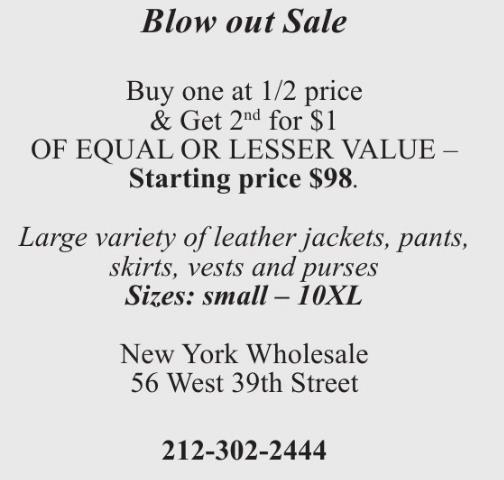
А
Services
2
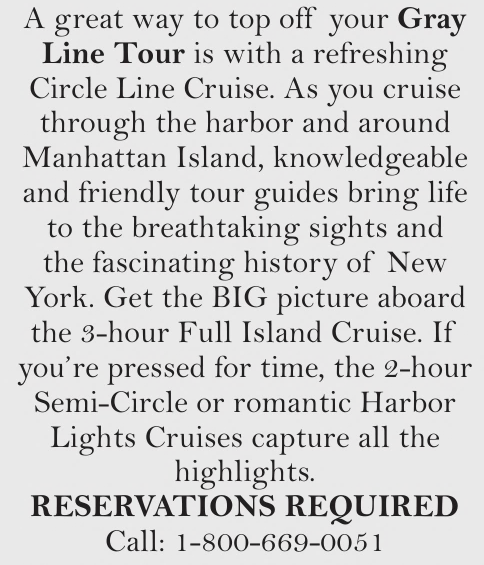
Б
Entertainment
3

В
Employment
4
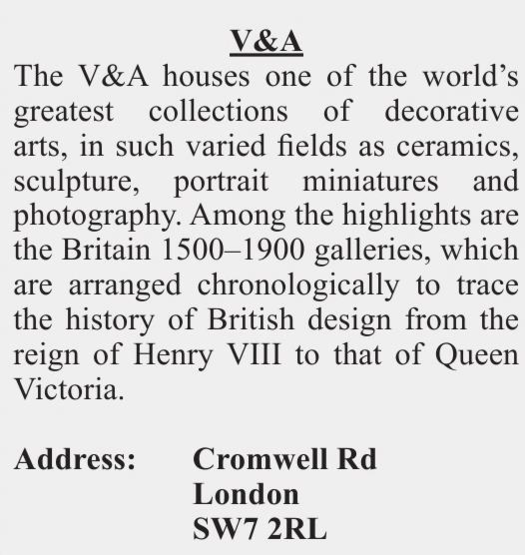
Г
Celebration
5

Ґ
Shopping
Д
Museum
Е
Travelling
Рефлексія від 1 учня
Сподобався:
0
Так: 1
Ні: 0
Зрозумілий:
0
Так: 0
Ні: 1
Потрібні роз'яснення:
0
Ні: 0
Так: 1