- Всеосвіта›
- Бібліотека тестів›
- Англійська мова›
- Reading Comprehension

Тест:
Reading Comprehension
19.12.2023

Вміст тесту:
1
2
3
4
5
6
7
8
9
10
1
4 з 16 балів
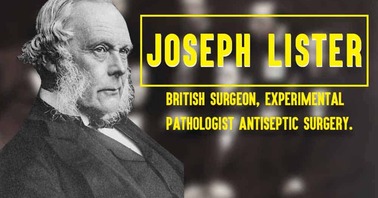
Joseph Lister
There are many things about medicine we take for granted now. If we see a film or TV show in which a doctor is going to perform an operation, we expect to see him washing his hands and wearing a mask.
The idea of antiseptic surgery was developed by Joseph Lister, an English doctor. He was born in 1827 and died in 1912.
In 1861 Lister became a surgeon in the Glasgow Infirmary, which was the biggest hospital in the city of Glasgow, Scotland. There Lister had to treat many people who had been hurt in accidents. The wounds of these patients often became infected, and pus would begin to form.
Lister became interested in preventing such infections. At first he tried to clean the wounds, but this didn't seem to help. Then, in 1864, he learned of the experiments of the French scientist Louis Pasteur. Pasteur had shown that microbes caused the spoiling of milk and meat. Lister thought that infections is wounds were also caused by such microbes in the air. Lister tried to kill them by putting a chemical called carbolic acid on the wounds. He was very successful in reducing the number of infections and was convicted that his theory of infection was correct.
In 1867 Lister wrote an article for the important medical journal. There he described his method for preventing infections.
At first, Lister's theory was not fully accepted. But with twenty- five years most surgeons were using antiseptics in treating wounds and during surgery. Today there is no doctor or hospital in the world that doesn't follow the ideas first developed by Joseph Lister.
take for granted - приймати як належне
infirmary - лікарня, ізолятор
wound - рана
pus - гній
Match the words to make up a phrase.
1
to take for
А
medical jornal
2
an important
Б
infection
3
to prevent
В
wounds
4
to treat
Г
granted
2
1 з 16 балів
Joseph Lister
There are many things about medicine we take for granted now. If we see a film or TV show in which a doctor is going to perform an operation, we expect to see him washing his hands and wearing a mask.
The idea of antiseptic surgery was developed by Joseph Lister, an English doctor. He was born in 1827 and died in 1912.
In 1861 Lister became a surgeon in the Glasgow Infirmary, which was the biggest hospital in the city of Glasgow, Scotland. There Lister had to treat many people who had been hurt in accidents. The wounds of these patients often became infected, and pus would begin to form.
Lister became interested in preventing such infections. At first he tried to clean the wounds, but this didn't seem to help. Then, in 1864, he learned of the experiments of the French scientist Louis Pasteur. Pasteur had shown that microbes caused the spoiling of milk and meat. Lister thought that infections is wounds were also caused by such microbes in the air. Lister tried to kill them by putting a chemical called carbolic acid on the wounds. He was very successful in reducing the number of infections and was convicted that his theory of infection was correct.
In 1867 Lister wrote an article for the important medical journal. There he described his method for preventing infections.
At first, Lister's theory was not fully accepted. But with twenty- five years most surgeons were using antiseptics in treating wounds and during surgery. Today there is no doctor or hospital in the world that doesn't follow the ideas first developed by Joseph Lister.
take for granted - приймати як належне
infirmary - лікарня, ізолятор
wound - рана
pus - гній
Mark the true sentence with T, and the false sentence with F
1) There are many things about medicine we take for granted now.
3
1 з 16 балів
Joseph Lister
There are many things about medicine we take for granted now. If we see a film or TV show in which a doctor is going to perform an operation, we expect to see him washing his hands and wearing a mask.
The idea of antiseptic surgery was developed by Joseph Lister, an English doctor. He was born in 1827 and died in 1912.
In 1861 Lister became a surgeon in the Glasgow Infirmary, which was the biggest hospital in the city of Glasgow, Scotland. There Lister had to treat many people who had been hurt in accidents. The wounds of these patients often became infected, and pus would begin to form.
Lister became interested in preventing such infections. At first he tried to clean the wounds, but this didn't seem to help. Then, in 1864, he learned of the experiments of the French scientist Louis Pasteur. Pasteur had shown that microbes caused the spoiling of milk and meat. Lister thought that infections is wounds were also caused by such microbes in the air. Lister tried to kill them by putting a chemical called carbolic acid on the wounds. He was very successful in reducing the number of infections and was convicted that his theory of infection was correct.
In 1867 Lister wrote an article for the important medical journal. There he described his method for preventing infections.
At first, Lister's theory was not fully accepted. But with twenty- five years most surgeons were using antiseptics in treating wounds and during surgery. Today there is no doctor or hospital in the world that doesn't follow the ideas first developed by Joseph Lister.
take for granted - приймати як належне
infirmary - лікарня, ізолятор
wound - рана
pus - гній
Mark the true sentence with T, and the false sentence with F
Cleaning the wounds didn't seem to help.
4
1 з 16 балів
Joseph Lister
There are many things about medicine we take for granted now. If we see a film or TV show in which a doctor is going to perform an operation, we expect to see him washing his hands and wearing a mask.
The idea of antiseptic surgery was developed by Joseph Lister, an English doctor. He was born in 1827 and died in 1912.
In 1861 Lister became a surgeon in the Glasgow Infirmary, which was the biggest hospital in the city of Glasgow, Scotland. There Lister had to treat many people who had been hurt in accidents. The wounds of these patients often became infected, and pus would begin to form.
Lister became interested in preventing such infections. At first he tried to clean the wounds, but this didn't seem to help. Then, in 1864, he learned of the experiments of the French scientist Louis Pasteur. Pasteur had shown that microbes caused the spoiling of milk and meat. Lister thought that infections is wounds were also caused by such microbes in the air. Lister tried to kill them by putting a chemical called carbolic acid on the wounds. He was very successful in reducing the number of infections and was convicted that his theory of infection was correct.
In 1867 Lister wrote an article for the important medical journal. There he described his method for preventing infections.
At first, Lister's theory was not fully accepted. But with twenty- five years most surgeons were using antiseptics in treating wounds and during surgery. Today there is no doctor or hospital in the world that doesn't follow the ideas first developed by Joseph Lister.
take for granted - приймати як належне
infirmary - лікарня, ізолятор
wound - рана
pus - гній
Mark the true sentence with T, and the false sentence with F
In 1867 Lister wrote an article for an important economical journal.
5
1 з 16 балів
Joseph Lister
There are many things about medicine we take for granted now. If we see a film or TV show in which a doctor is going to perform an operation, we expect to see him washing his hands and wearing a mask.
The idea of antiseptic surgery was developed by Joseph Lister, an English doctor. He was born in 1827 and died in 1912.
In 1861 Lister became a surgeon in the Glasgow Infirmary, which was the biggest hospital in the city of Glasgow, Scotland. There Lister had to treat many people who had been hurt in accidents. The wounds of these patients often became infected, and pus would begin to form.
Lister became interested in preventing such infections. At first he tried to clean the wounds, but this didn't seem to help. Then, in 1864, he learned of the experiments of the French scientist Louis Pasteur. Pasteur had shown that microbes caused the spoiling of milk and meat. Lister thought that infections is wounds were also caused by such microbes in the air. Lister tried to kill them by putting a chemical called carbolic acid on the wounds. He was very successful in reducing the number of infections and was convicted that his theory of infection was correct.
In 1867 Lister wrote an article for the important medical journal. There he described his method for preventing infections.
At first, Lister's theory was not fully accepted. But with twenty- five years most surgeons were using antiseptics in treating wounds and during surgery. Today there is no doctor or hospital in the world that doesn't follow the ideas first developed by Joseph Lister.
take for granted - приймати як належне
infirmary - лікарня, ізолятор
wound - рана
pus - гній
Mark the true sentence with T, and the false sentence with F
Lister's theory was accepted immediately.
6
1 з 16 балів
Joseph Lister
There are many things about medicine we take for granted now. If we see a film or TV show in which a doctor is going to perform an operation, we expect to see him washing his hands and wearing a mask.
The idea of antiseptic surgery was developed by Joseph Lister, an English doctor. He was born in 1827 and died in 1912.
In 1861 Lister became a surgeon in the Glasgow Infirmary, which was the biggest hospital in the city of Glasgow, Scotland. There Lister had to treat many people who had been hurt in accidents. The wounds of these patients often became infected, and pus would begin to form.
Lister became interested in preventing such infections. At first he tried to clean the wounds, but this didn't seem to help. Then, in 1864, he learned of the experiments of the French scientist Louis Pasteur. Pasteur had shown that microbes caused the spoiling of milk and meat. Lister thought that infections is wounds were also caused by such microbes in the air. Lister tried to kill them by putting a chemical called carbolic acid on the wounds. He was very successful in reducing the number of infections and was convicted that his theory of infection was correct.
In 1867 Lister wrote an article for the important medical journal. There he described his method for preventing infections.
At first, Lister's theory was not fully accepted. But with twenty- five years most surgeons were using antiseptics in treating wounds and during surgery. Today there is no doctor or hospital in the world that doesn't follow the ideas first developed by Joseph Lister.
take for granted - приймати як належне
infirmary - лікарня, ізолятор
wound - рана
pus - гній
Mark the correct answer to the question.
What we expect a surgeon to do before he is going to perform an operation?
7
1 з 16 балів
Joseph Lister
There are many things about medicine we take for granted now. If we see a film or TV show in which a doctor is going to perform an operation, we expect to see him washing his hands and wearing a mask.
The idea of antiseptic surgery was developed by Joseph Lister, an English doctor. He was born in 1827 and died in 1912.
In 1861 Lister became a surgeon in the Glasgow Infirmary, which was the biggest hospital in the city of Glasgow, Scotland. There Lister had to treat many people who had been hurt in accidents. The wounds of these patients often became infected, and pus would begin to form.
Lister became interested in preventing such infections. At first he tried to clean the wounds, but this didn't seem to help. Then, in 1864, he learned of the experiments of the French scientist Louis Pasteur. Pasteur had shown that microbes caused the spoiling of milk and meat. Lister thought that infections is wounds were also caused by such microbes in the air. Lister tried to kill them by putting a chemical called carbolic acid on the wounds. He was very successful in reducing the number of infections and was convicted that his theory of infection was correct.
In 1867 Lister wrote an article for the important medical journal. There he described his method for preventing infections.
At first, Lister's theory was not fully accepted. But with twenty- five years most surgeons were using antiseptics in treating wounds and during surgery. Today there is no doctor or hospital in the world that doesn't follow the ideas first developed by Joseph Lister.
take for granted - приймати як належне
infirmary - лікарня, ізолятор
wound - рана
pus - гній
Mark the correct answer to the question.
When did Lister write an article for an important medical journal?
8
1 з 16 балів
Joseph Lister
There are many things about medicine we take for granted now. If we see a film or TV show in which a doctor is going to perform an operation, we expect to see him washing his hands and wearing a mask.
The idea of antiseptic surgery was developed by Joseph Lister, an English doctor. He was born in 1827 and died in 1912.
In 1861 Lister became a surgeon in the Glasgow Infirmary, which was the biggest hospital in the city of Glasgow, Scotland. There Lister had to treat many people who had been hurt in accidents. The wounds of these patients often became infected, and pus would begin to form.
Lister became interested in preventing such infections. At first he tried to clean the wounds, but this didn't seem to help. Then, in 1864, he learned of the experiments of the French scientist Louis Pasteur. Pasteur had shown that microbes caused the spoiling of milk and meat. Lister thought that infections is wounds were also caused by such microbes in the air. Lister tried to kill them by putting a chemical called carbolic acid on the wounds. He was very successful in reducing the number of infections and was convicted that his theory of infection was correct.
In 1867 Lister wrote an article for the important medical journal. There he described his method for preventing infections.
At first, Lister's theory was not fully accepted. But with twenty- five years most surgeons were using antiseptics in treating wounds and during surgery. Today there is no doctor or hospital in the world that doesn't follow the ideas first developed by Joseph Lister.
take for granted - приймати як належне
infirmary - лікарня, ізолятор
wound - рана
pus - гній
Mark the correct answer to the question.
What was Joseph Lister successfull in?
9
1 з 16 балів
Joseph Lister
There are many things about medicine we take for granted now. If we see a film or TV show in which a doctor is going to perform an operation, we expect to see him washing his hands and wearing a mask.
The idea of antiseptic surgery was developed by Joseph Lister, an English doctor. He was born in 1827 and died in 1912.
In 1861 Lister became a surgeon in the Glasgow Infirmary, which was the biggest hospital in the city of Glasgow, Scotland. There Lister had to treat many people who had been hurt in accidents. The wounds of these patients often became infected, and pus would begin to form.
Lister became interested in preventing such infections. At first he tried to clean the wounds, but this didn't seem to help. Then, in 1864, he learned of the experiments of the French scientist Louis Pasteur. Pasteur had shown that microbes caused the spoiling of milk and meat. Lister thought that infections is wounds were also caused by such microbes in the air. Lister tried to kill them by putting a chemical called carbolic acid on the wounds. He was very successful in reducing the number of infections and was convicted that his theory of infection was correct.
In 1867 Lister wrote an article for the important medical journal. There he described his method for preventing infections.
At first, Lister's theory was not fully accepted. But with twenty- five years most surgeons were using antiseptics in treating wounds and during surgery. Today there is no doctor or hospital in the world that doesn't follow the ideas first developed by Joseph Lister.
take for granted - приймати як належне
infirmary - лікарня, ізолятор
wound - рана
pus - гній
Mark the correct answer to the question.
When was Lister's theory accepted by the other doctors?
10
4 з 16 балів
Joseph Lister
There are many things about medicine we take for granted now. If we see a film or TV show in which a doctor is going to perform an operation, we expect to see him washing his hands and wearing a mask.
The idea of antiseptic surgery was developed by Joseph Lister, an English doctor. He was born in 1827 and died in 1912.
In 1861 Lister became a surgeon in the Glasgow Infirmary, which was the biggest hospital in the city of Glasgow, Scotland. There Lister had to treat many people who had been hurt in accidents. The wounds of these patients often became infected, and pus would begin to form.
Lister became interested in preventing such infections. At first he tried to clean the wounds, but this didn't seem to help. Then, in 1864, he learned of the experiments of the French scientist Louis Pasteur. Pasteur had shown that microbes caused the spoiling of milk and meat. Lister thought that infections is wounds were also caused by such microbes in the air. Lister tried to kill them by putting a chemical called carbolic acid on the wounds. He was very successful in reducing the number of infections and was convicted that his theory of infection was correct.
In 1867 Lister wrote an article for the important medical journal. There he described his method for preventing infections.
At first, Lister's theory was not fully accepted. But with twenty- five years most surgeons were using antiseptics in treating wounds and during surgery. Today there is no doctor or hospital in the world that doesn't follow the ideas first developed by Joseph Lister.
take for granted - приймати як належне
infirmary - лікарня, ізолятор
wound - рана
pus - гній
Put the sentences in the correct order according to the text
Lister thought that infections in wounds were caused by microbes in the air.
The wounds of patient often become infected.
Today doctors follow the ideas first developed by Lister.
Joseph Lister was an English doctor who was born in 1827.
Рефлексія від 1 учня
Сподобався:
0
Так: 1
Ні: 0
Зрозумілий:
0
Так: 1
Ні: 0
Потрібні роз'яснення:
0
Ні: 1
Так: 0