- Всеосвіта›
- Бібліотека тестів›
- Англійська мова›
- Перевірочна робота з теми "Хобі"

Тест:
Перевірочна робота з теми "Хобі"

20.10.2021

Вміст тесту:
1
2
3
4
5
6
7
8
9
10
11
12
1
1 з 12 балів
What hobby is it?

2
1 з 12 балів
What hobby is it?
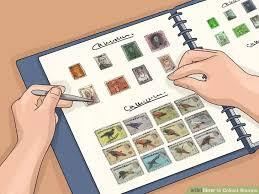
3
1 з 12 балів
What hobby is it?

4
1 з 12 балів
Complete the sentence with correct form of do or make.
She ... a lot of mistakes in her dictation.
5
1 з 12 балів
Complete the sentence with correct form of do or make.
Who ... washing-up in your family?
6
1 з 12 балів
Complete the sentence with correct form of do or make.
Eating two candies can't ... any harm.
7
1 з 12 балів
Complete the sentence with correct form of do or make.
I need to ... all the arrangements before the boss comes.
8
1 з 12 балів
Read the text and match each sentence with the person who might say it.
Why do people collect?
Petra Engels owns 19,571 erasers, Carol Vaughn has 1,221 bars of soap, and Ralf Shrőder has a collection of 14,502 packets of sugar. Many people love to collect things, but why? Psychologists and collectors have different opinions.
The psychologist Carl Jung believed that collecting is part of our ancient human history. Thousands of years ago, humans collected nuts and berries. They kept them carefully and ate them when there was no food. The best collectors survived long cold winters or seasons without rain. Their genes passed to future generations. Nowadays, we still have a collecting instinct.
Historian Philipp Bloom has a different opinion. He thinks collectors want to make something that will remain after their death. By bringing many similar items together, the collector gains historical importance. Sometimes their collections become museums or libraries, for example, Henry Huntington, who founded a library in Los Angeles to house his collection of books.
Author Steve Roach thinks that people collect things to remember their childhood. Many children collect things, but few have enough money to buy the things they really want, and they lose interest. In later life, they remember their collections fondly. Now, they have enough money and opportunity to find special items, and they start collecting again. This way, they can re-live and enjoy their childhood years.
Art collector, Werner Muensterberger, agrees that collecting is linked to childhood. But he believes we collect in order to feel safe and secure. While babies hold blankets or toys to feel safe when their mother isn’t there, adults collect things to stop feeling lonely or anxious.
These are just a few reasons for collecting. Do you know any people with collections? Why do they collect?
People have always collected because we need to stay alive.
9
1 з 12 балів
Read the text and match each sentence with the person who might say it.
Why do people collect?
Petra Engels owns 19,571 erasers, Carol Vaughn has 1,221 bars of soap, and Ralf Shrőder has a collection of 14,502 packets of sugar. Many people love to collect things, but why? Psychologists and collectors have different opinions.
The psychologist Carl Jung believed that collecting is part of our ancient human history. Thousands of years ago, humans collected nuts and berries. They kept them carefully and ate them when there was no food. The best collectors survived long cold winters or seasons without rain. Their genes passed to future generations. Nowadays, we still have a collecting instinct.
Historian Philipp Bloom has a different opinion. He thinks collectors want to make something that will remain after their death. By bringing many similar items together, the collector gains historical importance. Sometimes their collections become museums or libraries, for example, Henry Huntington, who founded a library in Los Angeles to house his collection of books.
Author Steve Roach thinks that people collect things to remember their childhood. Many children collect things, but few have enough money to buy the things they really want, and they lose interest. In later life, they remember their collections fondly. Now, they have enough money and opportunity to find special items, and they start collecting again. This way, they can re-live and enjoy their childhood years.
Art collector, Werner Muensterberger, agrees that collecting is linked to childhood. But he believes we collect in order to feel safe and secure. While babies hold blankets or toys to feel safe when their mother isn’t there, adults collect things to stop feeling lonely or anxious.
These are just a few reasons for collecting. Do you know any people with collections? Why do they collect?
People collect because they want to remember a former hobby.
10
1 з 12 балів
Read the text and match each sentence with the person who might say it.
Why do people collect?
Petra Engels owns 19,571 erasers, Carol Vaughn has 1,221 bars of soap, and Ralf Shrőder has a collection of 14,502 packets of sugar. Many people love to collect things, but why? Psychologists and collectors have different opinions.
The psychologist Carl Jung believed that collecting is part of our ancient human history. Thousands of years ago, humans collected nuts and berries. They kept them carefully and ate them when there was no food. The best collectors survived long cold winters or seasons without rain. Their genes passed to future generations. Nowadays, we still have a collecting instinct.
Historian Philipp Bloom has a different opinion. He thinks collectors want to make something that will remain after their death. By bringing many similar items together, the collector gains historical importance. Sometimes their collections become museums or libraries, for example, Henry Huntington, who founded a library in Los Angeles to house his collection of books.
Author Steve Roach thinks that people collect things to remember their childhood. Many children collect things, but few have enough money to buy the things they really want, and they lose interest. In later life, they remember their collections fondly. Now, they have enough money and opportunity to find special items, and they start collecting again. This way, they can re-live and enjoy their childhood years.
Art collector, Werner Muensterberger, agrees that collecting is linked to childhood. But he believes we collect in order to feel safe and secure. While babies hold blankets or toys to feel safe when their mother isn’t there, adults collect things to stop feeling lonely or anxious.
These are just a few reasons for collecting. Do you know any people with collections? Why do they collect?
People start collecting again when they can afford to buy special things.
11
1 з 12 балів
Read the text and match each sentence with the person who might say it.
Why do people collect?
Petra Engels owns 19,571 erasers, Carol Vaughn has 1,221 bars of soap, and Ralf Shrőder has a collection of 14,502 packets of sugar. Many people love to collect things, but why? Psychologists and collectors have different opinions.
The psychologist Carl Jung believed that collecting is part of our ancient human history. Thousands of years ago, humans collected nuts and berries. They kept them carefully and ate them when there was no food. The best collectors survived long cold winters or seasons without rain. Their genes passed to future generations. Nowadays, we still have a collecting instinct.
Historian Philipp Bloom has a different opinion. He thinks collectors want to make something that will remain after their death. By bringing many similar items together, the collector gains historical importance. Sometimes their collections become museums or libraries, for example, Henry Huntington, who founded a library in Los Angeles to house his collection of books.
Author Steve Roach thinks that people collect things to remember their childhood. Many children collect things, but few have enough money to buy the things they really want, and they lose interest. In later life, they remember their collections fondly. Now, they have enough money and opportunity to find special items, and they start collecting again. This way, they can re-live and enjoy their childhood years.
Art collector, Werner Muensterberger, agrees that collecting is linked to childhood. But he believes we collect in order to feel safe and secure. While babies hold blankets or toys to feel safe when their mother isn’t there, adults collect things to stop feeling lonely or anxious.
These are just a few reasons for collecting. Do you know any people with collections? Why do they collect?
Collecting gives people something to do during bad weather and cold or wet seasons.
12
1 з 12 балів
Read the text and match each sentence with the person who might say it.
Why do people collect?
Petra Engels owns 19,571 erasers, Carol Vaughn has 1,221 bars of soap, and Ralf Shrőder has a collection of 14,502 packets of sugar. Many people love to collect things, but why? Psychologists and collectors have different opinions.
The psychologist Carl Jung believed that collecting is part of our ancient human history. Thousands of years ago, humans collected nuts and berries. They kept them carefully and ate them when there was no food. The best collectors survived long cold winters or seasons without rain. Their genes passed to future generations. Nowadays, we still have a collecting instinct.
Historian Philipp Bloom has a different opinion. He thinks collectors want to make something that will remain after their death. By bringing many similar items together, the collector gains historical importance. Sometimes their collections become museums or libraries, for example, Henry Huntington, who founded a library in Los Angeles to house his collection of books.
Author Steve Roach thinks that people collect things to remember their childhood. Many children collect things, but few have enough money to buy the things they really want, and they lose interest. In later life, they remember their collections fondly. Now, they have enough money and opportunity to find special items, and they start collecting again. This way, they can re-live and enjoy their childhood years.
Art collector, Werner Muensterberger, agrees that collecting is linked to childhood. But he believes we collect in order to feel safe and secure. While babies hold blankets or toys to feel safe when their mother isn’t there, adults collect things to stop feeling lonely or anxious.
These are just a few reasons for collecting. Do you know any people with collections? Why do they collect?
People collect things because it makes them feel comfortable.
Рефлексія від 12 учнів
Сподобався:
0
Так: 11
Ні: 1
Зрозумілий:
0
Так: 8
Ні: 4
Потрібні роз'яснення:
0
Ні: 6
Так: 6