- Всеосвіта›
- Бібліотека тестів›
- Англійська мова›
- (Копія) BC1 62

Тест:
(Копія) BC1 62

22.01.2022
Вміст тесту:
1
2
3
4
5
6
7
8
9
10
11
12
Тест містить питання скопійовані з: BC1 62 (Ворошилова аудіювання).
1
12 з 144 балів
Match the words with their sounds/rules.
Поєднайте слова зі звуками/фонетичними правилами, які в них є.
1
'solemn
А
[ɑː]
2
'nymph
Б
[kw]
3
'dove
В
[aʊ]
4
'drafty
Г
[m] в кінці слова
5
'aurist
Ґ
[z]
6
'clown
Д
[f]
7
'railway
Е
[ŋk]
8
'squall
Є
[aɪld]
9
a'rise
Ж
[dʒ]
10
'gender
З
[ʃ]
11
'mildly
И
[eɪ]
12
'ankle
І
[ɔː]
К
[ʌ] перед "v"
2
12 з 144 балів
Write the words according to the transcription.
Запишіть слово за його транскрипцією. Вставте артикль, де необхідно.
[ˈlæŋɡwɪdʒ] -
[fraɪd] -
[keɪk] -
[ˈʃʊɡə] -
[ˈpɒrɪdʒ] -
[dɑːns] - to
[wɒtʃ] - to
[əˈbʌv] -
[ˈθɜːzdeɪ] - (перша буква має бути велика)
[tʃiːz] -
3
12 з 144 балів
Find the words col.2 that suit to the pictures col.1
1
2
1

А
chocolate
2

Б
varenyky
3
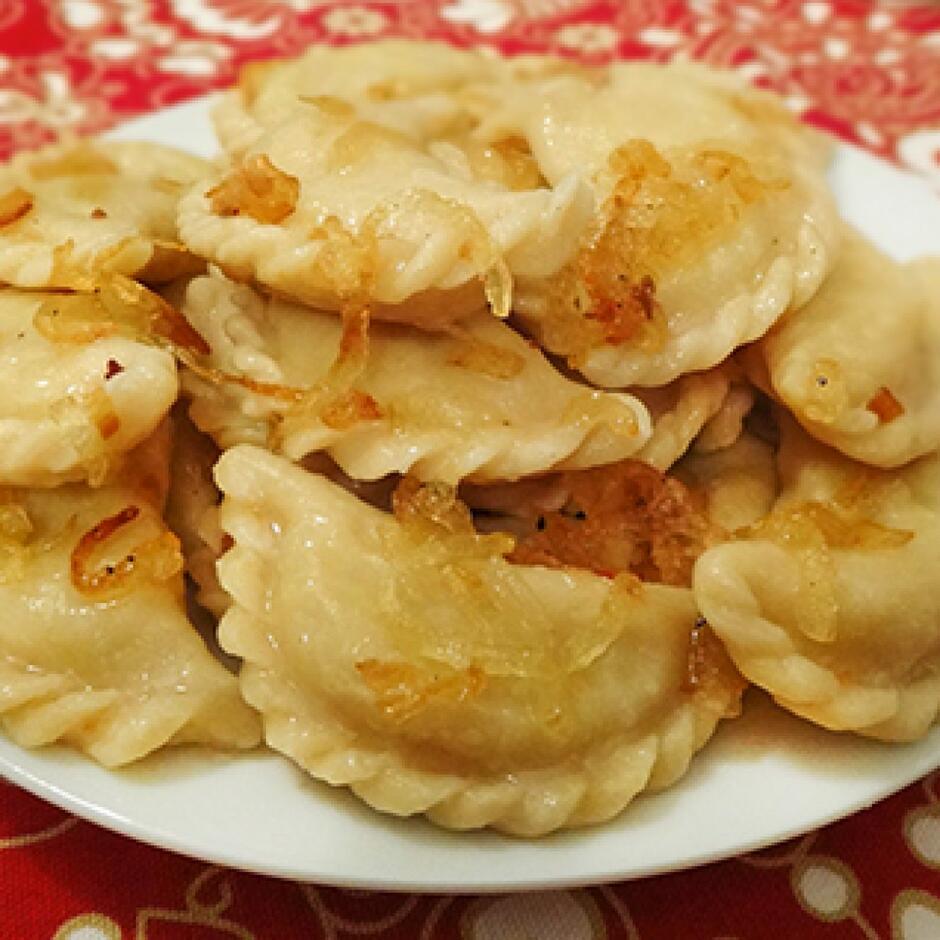
В
bacon and eggs
4
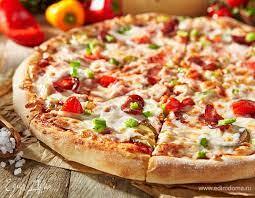
Г
a hamburger
5

Ґ
borsch
6
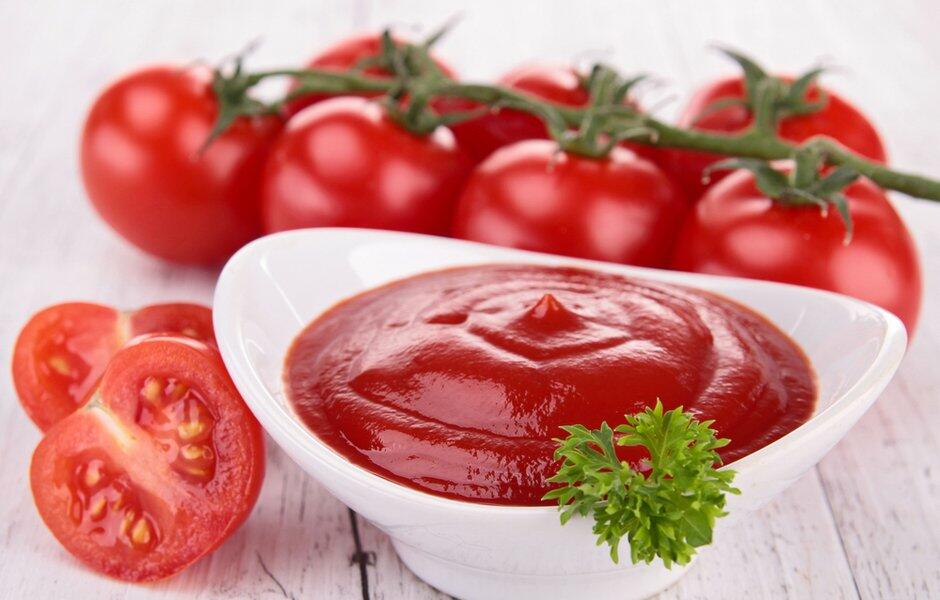
Д
omelet(te)
7
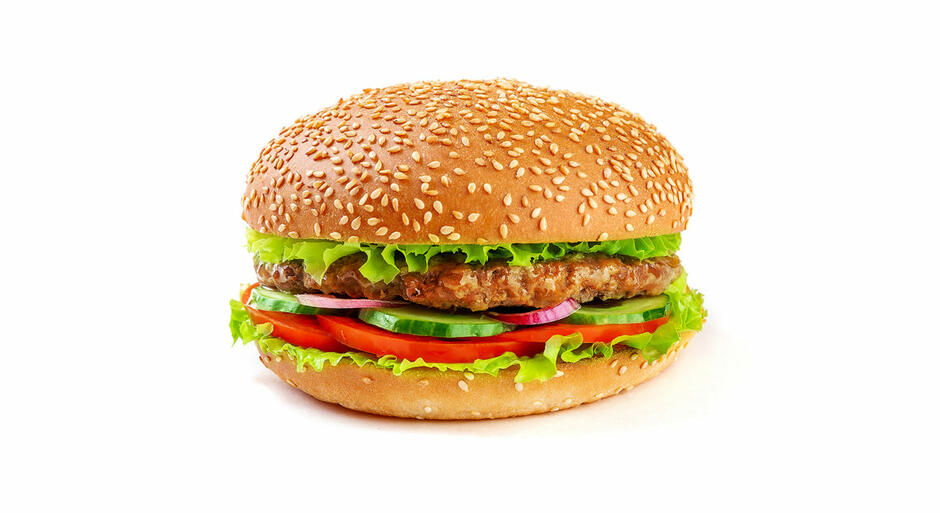
Е
ketchup
8
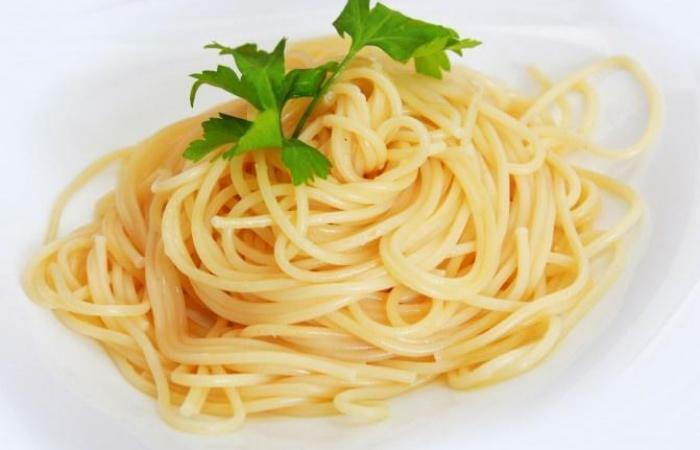
Є
a pizza
9
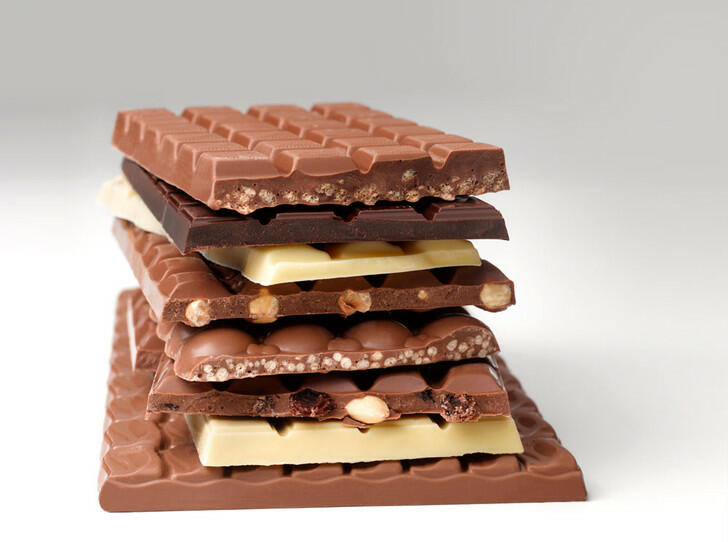
Ж
soup
10
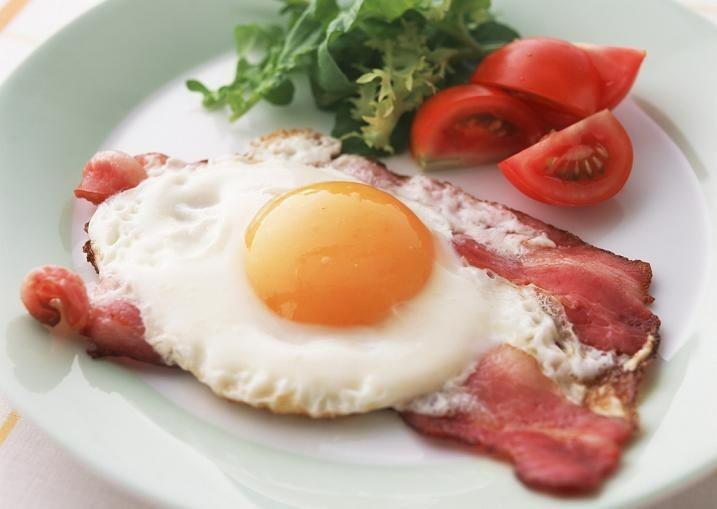
З
spaghetti
4
12 з 144 балів
Fill in the gaps in the following phrases:
Let’s this/that table!
do you want to eat/drink?
I’d to eat/drink…
to smb/smth (with)
to help the house
to go a walk
5
12 з 144 балів
Choose the answer col.2 to the questions col.1
1
2
1
We go there when we are hungry.
А
feed it
2
These are traditional Ukrainian dishes.
Б
What do you want to eat/drink?
3
When we want to eat we are …
В
clean the house
4
When you want to drink you are …
Г
borsch, varenyky
5
When your house is dirty, you…
Ґ
take the table
6
You cook it of water and vegetables.
Д
café/ restaurant
7
When your pet is hungry, you… .
Е
rest
8
When you are in the restaurant you need to
Є
hungry
9
When you are tired you need some
Ж
borsch
10
The waiter always asks you:
З
thirsty
6
12 з 144 балів
Read the following sentences col.1. Find the mistakes. Write down correct sentences to the col.2
She read German books. |
|
You doesn’t brush your teeth. |
|
We doesn’t go for a walk. |
|
Jane eat pizza for dinner. |
|
Susan don’t have English lessons every day. | every day. |
We doesn’t rest on Saturday. |
|
You feeds your cat with fish and milk. |
|
My niece often clean her bedroom. |
|
My friend don’t help her mother about the house. | about the house. |
I usually comes home at 8 o’clock. |
|
7
12 з 144 балів
Open the brackets.
Sam (to like) plums, but I (not to like) them.
I (to have) breakfast at 7 o'clock, but my mother (not to have) breakfast at that time.
Ann (to swim) in the swimming pool, but Dan (not to swim) in the swimming pool.
My relatives (to speak) Japanese, but we (not to speak) this language.
Her friends (to play) chess every Thursday, but Nick (not to play) this game at all.
His nephew (to help) his parents about the house, but my cousins (not to help) their parents.
My daughter (to feed) the cat every day, but her classmate (not to feed) pets.
8
12 з 144 балів
Make up sentences.
has/spaghetti/ always/ for/ he/ dinner. .
often/relatives/cook/ our/ for breakfast/ bacon and eggs. .
hot chocolate/ my cousins/ every evening/ drink. .
comedies/ every weekend/ to watch/ my father/ likes. .
do/ in the yard/ their/ exercises/ they/ often/ morning. .
I/ drink/ always/ coffee/ in the morning. .
wonderful/ paints/ pictures/ sister/ little/ his/ often. .
we/ watch/ horror/ seldom/ films. .
three times a day/ air/ they/ room/ the. .
Sally/ in the park/ runs/ every morning. .
9
12 з 144 балів
Translate the following sentences:
Розмовляй англійською, будь ласка. |
|
Не їж цю піццу. З'їж цей пиріг. |
|
Прочитай ту велику книгу. |
|
Не їдь на велосипеді. |
|
Не стрибай на ліжку. |
|
Відкрий вікно. |
|
Приготуй борщ, будь ласка. |
|
Не танцюй. Вже дуже пізно. | It's too late. |
Запиши ці речення. |
|
10
12 з 144 балів
Choose the correct answer.
Jack’s uncle [to swim, swim, swims] in the pond every day.
They [To ride, ride, rides]a bike every weekend.
My cousin and I [to play, play, plays]the piano two times a week.
Kitty [to watch, watch, watches]TV every evening.
Fred and George [to have, have, has]spaghetti for supper.
Susan [to rest, rest, rests]in her room after school.
My friends [to play, play, plays] billiards on Wednesday and Friday.
Your cousin [to make, make, makes] her bed every morning.
I usually [to come, come, comes]home at 5 o’clock, but my brother [not to come, don't come, doesn't come]home at 5.
Helen often [to brush, brush, brushes] her hair, but these boys [not to brush, don't brush, doesn't brush] their hair.
Her mother seldom [to cook, cook, cooks] bacon and eggs for breakfast. Nick often reads English books on Sunday.
My mother’s friend always [to drink, drink, drinks]coffee in the morning.
His children often [to watch, watch, watches]TV in the evening.
He usually [to have, have, has]bacon and eggs and a cup of green tea for breakfast.
Her little sister often [to paint, paint, paints]on the walls.
These pupils always [to learn, learn, learns]new words.
Our grandparents sometimes [to visit, visit, visits]us on weekends.
11
12 з 144 балів
Hot Dog
People in different countries have their own favourite food. Cereal, bacon and eggs, tea with milk are traditional for Englishmen, borsch and varenyky - for Ukrainians, spaghetti and pizza - for Italians. These dishes are well known all over the world. One more dish is also popular in our country and in the world. It’s a hot dog.
Everyone thinks that hot dog is a typically American dish. But, in fact, its motherland is Germany. In Germany people call this food frankfurter, after Frankfurt.
Frankfurters appeared in the USA in 1860. Americans first called this dish ‘dachshund sausage’. Dachshund is a dog with long body and short legs. ‘Dachshund sausage’ became popular in New York at baseball games.
One day in 1906 a newspaper cartoonist went to see a baseball game. He saw how people sell and buy these sausages. The next day he drew a dachshund in a bun and wrote under the picture: ‘Get your hot dogs’. The picture was a sensation and so was the new name. Now no one can imagine a baseball game without hot dogs.
Vocabulary:
To be well known all over the world – бути добре відомим в усьому світі
a dachshund [dæksənd] –такса
a cartoonist - карикатурист
to appear – з‘являтися
went – пішов
saw – побачив
drew- намалював
wrote – підписав
a bun – булочка
Read the text. Choose is it true or false:
Bacon with eggs and tea with milk are traditional for Italians. [True, False]
Spaghetti, pizza and hot dogs are known all over the world. [True, False]
Hot dog and frankfurter is one and the same dish. [True, False]
Frankfurters appeared in the USA in 1860. [True, False]
‘Dachshund sausage’ became popular in New York at basketball games. [True, False]
In 1960 a newspaper cartoonist drew a dachshund in a bun and called this picture : ‘Get your hot dogs’. [True, False]
Choose the right variant:
The motherland of hot dogs is [America, Germany, Italy].
In Germany people call this food [hot dog, dachshund sausage, frankfurter].
Frankfurters appeared in the USA in [1850, 1860, 1960].
‘Dachshund sausage’ became popular in New York at [football, basketball, baseball] games.
One day in 1906 a newspaper [cartoonist , journalist, artist] went to see a baseball game.
He drew a dachshund in a bun and wrote under the picture: ['Get your hot dogs’, 'Get your dachshund ’, 'Get your sausage'].
12
12 з 144 балів
Vocabulary:
Chinese [tʃaɪˈniːz] китайский
a restaurant [ˈrest(ə)rɒnt] ресторан
a doughnut [ˈdəʊnʌt] пончик
a"doggy bag" - контейнер для залишкiв їжi, яку замовили вiдвiдувачi
Listen to the text. Choose if it is true or false. Write T if the statement is true and F if it is false.
Americans enjoy food from all over the world.
Over the years some foreign dishes changed a little.
Doughnuts are originally from Ireland.
USA is most famous for “vegetarian menu”.
When Americans go to the restaurant they expect to be hungry afterwards.
Most restaurants put a lot of food on your plate.
Listen to the text. Fill in the gaps.
When people from other countries come to live in the USA, they bring different cooking .
Americans enjoy from all over the world.
Maybe the USA is for "fast foods".
The first fast food restaurants served , but now they serve other kind of too.
Americans a lot, and when they go to the restaurant, they don't expect to be afterwards.
Рефлексія від 0 учнів
Сподобався:
0
Так: 0
Ні: 0
Зрозумілий:
0
Так: 0
Ні: 0
Потрібні роз'яснення:
0
Ні: 0
Так: 0