Тест:
K3 49

23.02.2024

Вміст тесту:
1
2
3
4
5
6
7
8
9
10
11
12
13
Тест містить питання скопійовані з: K3 49.
1
12 з 156 балів
Fill in the vowels( Вставте пропущені голосні):
1.a f r st
2.a s
3. to st nd – st d
4. a m nt n
5. m n
6. a r v r
7. a g m
8. to l rn
9. a v ll g
10. a c t
11. r g n l
12. a c ntr
2
12 з 156 балів
Unscramble the words( Складіть слова з літер, використовуйте артиклі):
1.verir
2. patcarhinas
3. utnomian
4. tsfeor
5. mnia
6. ase
3
12 з 156 балів
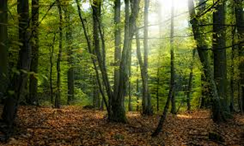
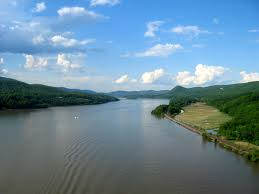
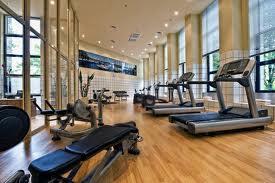
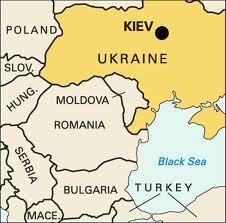
Match the pictures with the words (Співставте малюнки зі словами):
1

А
a river
2
Б
a sea
3
В
a forest
4

Г
a mountain
5
Ґ
a city
6
Д
to understand
7

Е
the Republic of the Crimea
8

Є
to sweep
9

Ж
a capital
10
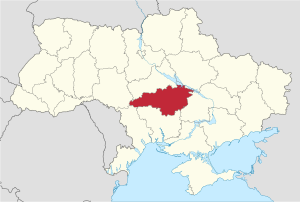
З
a gym
11
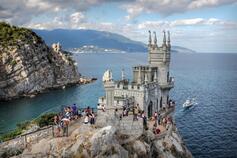
И
to have fun
12

І
a motherland
4
12 з 156 балів
Translate the words (Перекладіть слова):
Носити, бути одягненим-
Накривати на стіл-
Пишатися –
Був розташований –
Селище –
Батьківщина –
Умів –
Повинен був –
Інформатика –
Отримувати оцінку з –
розважатись –
Кримські гори –
5
12 з 156 балів
Choose the correct article (Оберіть правильний артикль)
1) [a, the, ---]Kyiv
2) [the, a, ---]British Isles
3) [a, the, ---]Sea of Azov
4) [---, a, the]Baikal
5) [the, ---, a]Alps
6) [---, the, a]London
7) [the, a, ---] North America
8) [the, a, ---] East
6
12 з 156 балів
Fill in the articles(if there is no article put -) Вставте пропущені артиклі(Якщо артикля немає поставте - ):
1. There are two seas in Ukraine. They are Black Sea and Sea of Azov.
2. Kyiv, Kharkiv, Dnipro, Donetsk and Odesa are big Ukrainian cities.
3. Are there many factories in Donetsk? - Yes, there are.
4. Crimean and Carpathian Mountains are the main mountains in our Motherland.
5. The main rivers in our country are Dnipro, Dniester, Bug, Desna, Donets and Uzh.
6. My sister didn't visit our grandparents in Poltava the other day, because she went to Lviv.
7. This regional centre stands on river Dniester.
7
12 з 156 балів
The usage of the vocabulary.
Choose the correct item.
1.What clothing do you not wear in the classroom? [a, b, c]
a gloves
b shoes
c shirts
2.Which one is not a piece of clothing? [a, b, c]
a jewellery
b jumper
c hat
3.Which place is not a good place to keep your keys (ключі)? [a, b, c]
a your bag
b your pocket
c your cap
4. Which things do you not wear on your feet? [a, b, c]
a scarves
b sandals
c boots
5.What do you not do in a clothes shop? [a, b, c]
a buy clothes
b make clothes
c try on clothes
6.Which clothing do you usually not wear on the beach (пляж) on a hot day? [a, b, c]
a shorts
b T-shirts
c sweaters
7. Which things do men not usually wear? [a, b, c]
a jeans
b skirts
c hats
Choose the appropriate varriant for each gap.
a pocket - кишеня
to change - міняти
fashion - мода
to try on - приміряти
Hi George! I went shopping yesterday. I love all the latest (1) [pockets, try, change, fashions, uniform, jackets]so I often buy new clothes. First I had to (2) [pockets, try, change, fashions, uniform, jacket] the shirt I got last week because it is the wrong colour. Then I bought a yellow (3) [pockets, try, change, fashions, uniform, jacket]with big (4) [pockets, try, change, fashions, uniform, jacket] . I decided to (5) [pockets, try, change, fashions, uniform, jacket] it on in the shop. It was perfect! Unfortunately, I can't wear it to work because I have to wear a (6) [pockets, try, change, fashions, uniform, jacket] there. But I'm going to wear it at a party soon!
8
12 з 156 балів
Review the usage of the possessive case.
Choose the correct varriant.
1. Pedro is married to Mary, so he is [Mary', Mary's, Marys]husband.
2. Pedro and Mary have two sons, James and Will, so they are [Pedro and Mary's, Pedro and Mary', Pedro's and Mary's] children.
3. James has a dog called Ben, so Ben is [James', James, James's] dog.
4. Pedro has a cafe in the town, and his restaurant is called [Pedro's, Pedros, Pedros']Diner.
5. [Willys, Willy's, Willys'] friends had a party at the cafe yesterday.
6.There are many wonderful flowers in [Tom, Tom's, Toms'] garden.
7.I saw many toys in the [children's, children, childrens'] room.
8.There are my [uncle's and aunt's, uncle's and aunt, uncle and aunt's]carpets.
9.Those [women's, woman's, womens'] bags are very nice!
9
12 з 156 балів
Open the brackets.
1. you (to come) to my place last Sunday? 2. you (to read) this book a week ago? 3. They (to read) books every day 4. My sister (to read) a book now. 5. I (not to see) him yesterday. 6. What you (to do) at school on Monday? 7. What your friend (to do) a month ago? 8. Where you (to go) every summer? 9. Where you (to go) now? 10. Look! Mary (to dance) . 11. She (to dance) every day. 12. He (to go) to the theatre the day before yesterday. 13. We (to go) to school in the morning. 14. Look! Kate (to go) to school. 15. you (to help) your mother yesterday? 16.I (not to play) the guitar now. 17. Nick (to read) many books. 18. Mother (to work) every day. 19. He (not to sleep) now. 20. I (not to learn) the poem now. 21. She (to live) in San Francisco.
10
12 з 156 балів
Choose the correct variant ( Оберіть правильний варіант):
1. How many …parks are there in …capital of Ukraine?
[--/the , ---/an, the/the]
2. Clever children always … their mothers about the house.
[helps , help, helped]
3. When I .. home I decided to vacuum the carpets.
[come , came, comed]
4. We … to a good café to have delicious dinner
[went, to go, goed]
5. My friend is good … Maths.
[at , on, in]
6. Where ... our relatives go every week?
[does, are, do]
7. I’m ... a big hamburger and drinking some cola.
[ate, eating, eat]
8. What kind of film .... the children watch?
[are, did, does]
9. Jeff …to his favourite gym at the moment.
[goes, is going, go, went]
10. How much bread … she … in that new shop yesterday?
[does/buy, is/buying, did/buy]
11.... this park good? Yes, of course.
[Is, Are]
12.Kate … a plain sweater and a smart skirt.
[weared, wears, is wearing]
13. We…. a new song at the last lesson
[listen, hear, heard]
14. He … ….that rule at the last Maths lesson.
[didn`t understood, didn`t understand, doesn`t understand]
15. My classmate… well last year.
[study , studied, studies]
16. Can you tell me, what film … … today?
[is on, are on , to be on]
17. How many words … …… ……last month?
[does/Oksana/learn, do/Oksana/learn, did/Oksana/ learn]
18. Oleg`s brother ... a break now.
[has , had, is having]
19. I am not usually late…the Ukrainian lesson.
[for , in, to]
20. Dan got a good mark … Maths, because he understood the rule and was ready …. the lesson.
[in/at, in/for, at/to]
21. You … swim well when you were a child.
[can, could, had to]
22. … the children go to school in summer?
[Did, Do, Does]
23. When does the boy usually …TV, read books or play computer games?
[watched, watch, watches]
24. It was not …easy day for us.
[a , the, an]
25. When our parents … home, they thanked us.
[came, come]
11
12 з 156 балів
Listen to the recording and fill in the gaps:
Girl: …
you help me with my homework, please?
Man: What
you have to do?
Girl: I …(have to) write about my birthday party.
Man: Ok. Let’s look at it. OK, when
the party?
Girl: It was
Monday
Man: What you eat?
Girl: We had lots of food. There lots of sandwiches.
Man: And you have ice-cream?
Girl: Now we didn’t. But we some cake.
Man: Oh! A birthday cake. And what did you ?
Girl: Erm … lemonade.
Man: How many children at the party?
Girl: Well, there twelve friends.
Man: That's a lot! Twelve children then?
Girl: No, I there too.
Man: Oh, yes. Thirteen then. Which grown-ups there?
Girl: Well, my mother there. And my dad.
12
12 з 156 балів
Choose the correct variant
E.g When? on Monday
House number: [87, 67, 76]
Street: … Street [Sunny, sun, sonny]
Food: sandwiches, and [a birthday cake, present, ice-cream]
How many children? [30, 31, 13]
Grown-ups: mum, dad and [grandma, grandpa, grandparents]
13
12 з 156 балів
 Read the text and choose the right variant (Прочитайте текст і оберіть правильний варіант):
Unknown words:
Homeschooling – домашнє навчання
Popular – поширений, популярний
To discuss - обговорювати
The same – однаковий
Possible -можливий
Homeschooling – how does that work?
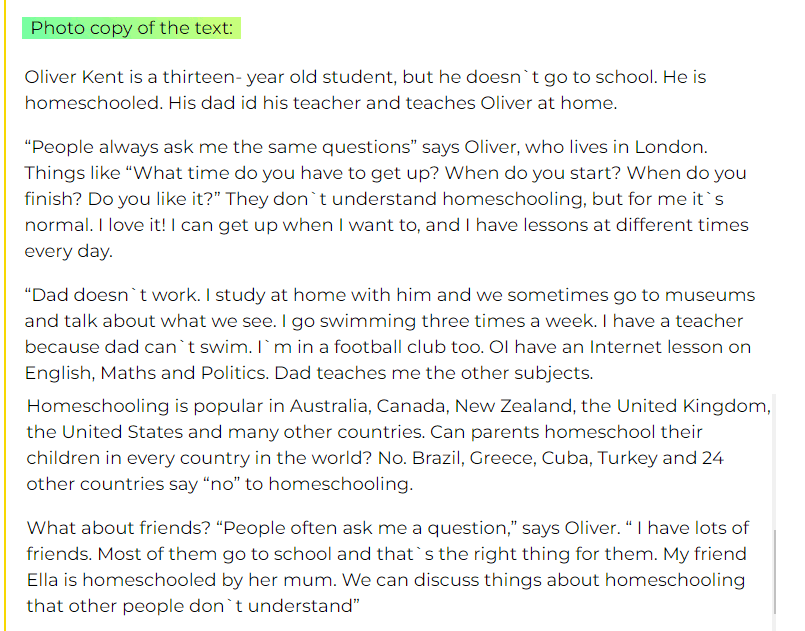
Oliver Kent is a thirteen- year old student, but he doesn`t go to school. He is homeschooled. His dad id his teacher and teaches Oliver at home.
“People always ask me the same questions” says Oliver, who lives in London. Things like “What time do you have to get up? When do you start? When do you finish? Do you like it?” They don`t understand homeschooling, but for me it`s normal. I love it! I can get up when I want to, and I have lessons at different times every day.
“Dad doesn`t work. I study at home with him and we sometimes go to museums and talk about what we see. I go swimming three times a week. I have a teacher because dad can`t swim. I`m in a football club too. OI have an Internet lesson on English, Maths and Politics. Dad teaches me the other subjects.
Homeschooling is popular in Australia, Canada, New Zealand, the United Kingdom, the United States and many other countries. Can parents homeschool their children in every country in the world? No. Brazil, Greece, Cuba, Turkey and 24 other countries say “no” to homeschooling.
What about friends? “People often ask me the question,” says Oliver. “ I have lots of friends. Most of them go to school and that`s the right thing for them. My friend Ella is homeschooled by her mum. We can discuss things about homeschooling that other people don`t understand”
Does Oliver think he is different to other thirteen-year-olds?
“Of course, not. I watch the same things on TV as other kids my age. I play the same games, I worry about the same things and I eat the same food! I learn the same things. It`s just that I learn them in a different way!”
Oliver:
[gets up early every morning, studies at home every day, always finishes school at 4:45 o`clock.]
2. Oliver`s dad:
[has a job in London, doesn`t go to the museums with Oliver., doesn`t teach Oliver Maths.]
3. What is true about Brazil?
[Homeschooling is popular, homeschooling is possible, but isn`t pop, homeschooling isn`t possible.]
4. Oliver thinks:
[A, B, C, D]
A - homeschooling is for parents who don't work
B - homeschooling gives children the same knowledge as usual schools
C - he is different from other teenagers
D - every parent should homeschool their children
True or False:
Oliver can`t get up when he wants to. [True, False]
Homeschooling is impossible in Turkey. [True, False]
Ella is homeschooled too. [True, False]
Oliver has a teacher of swimming. [True, False]
All his friends are homeschooled. [True, False]
Рефлексія від 3 учнів
Сподобався:
0
Так: 3
Ні: 0
Зрозумілий:
0
Так: 2
Ні: 1
Потрібні роз'яснення:
0
Ні: 2
Так: 1