- Всеосвіта›
- Бібліотека тестів›
- Англійська мова›
- Is the Earth in denger? 10 form. Vocabulary.

Тест:
Is the Earth in denger? 10 form. Vocabulary.

06.03.2023

Вміст тесту:
1
2
3
4
1
7 з 26 балів
Match natural hazards with their descriptions
description
hazard
1
It is one of the names of cyclonic storm that forms over the oceans. It is caused by evaporated water that comes from the ocean. Typhoon is another name for it.
А
An avalanche
2
When rain drops have formed together into ice.
Б
An earthquake
3
The result of prolonged rainfall from a storm, rapid melting of large amounts of snow, or rivers which rise up their levels of water.
В
A tsunami
4
A phenomenon that results from a sudden release of stored energy that radiates seismic waves. It shows itself by a shaking of the ground.
Г
Hailstorms
5
A slide of a large snow (or rock) mass down a mountainside. It is one of the major dangers faced in the mountains in winter.
Ґ
Flood
6
It is a wave of water caused by the displacement of a body of water. It can be caused by undersea earthquakes or by meteorological
phenomena.
Д
A heat wave
7
It is a hazard characterised by heat which is considered extreme and unusual in the area in which it occurs.
Е
A tornado
2
6 з 26 балів
Match natural hazards with their descriptions
hazard
description
1
A Hurricane
А
It is a disaster closely related to an avalanche, but instead of occurring with snow, it occurs involving actual elements of the ground, including rocks, trees, parts of houses etc. which may happen to be swept up. It can be caused by an earthquake or a volcanic eruption.
2
A volcanic eruption
Б
It is a severe winter storm condition characterised by low temperatures, strong winds, and heavy blowing snow.
3
A drought
В
It is a natural disaster resulting from a thunderstorm. It is a violent, rotating column of air, which can blow at speeds between 50 and 48 km/h and possibly higher. It can occur one at a time or can occur along lines occupying large areas.
4
A landslide
Г
It is the point in which a volcano is active and releases its power, and the eruptions come in many forms.
5
A wildfire
Ґ
It is defined as an acute shortage of water and crop failure. It is an abnormally dry period when there is not enough water to support water needs.
6
A blizzard
Д
It is an uncontrolled fire burning in wildland areas. Common causes include lightning and drought but they may also be started by human carelessness.
3
5 з 26 балів
Read the paragraphs and refer them to the questions.
paragraph
question
1
Over the warm parts of oceans. Tornadoes are common in parts of the USA, Australia and Japan.
А
Why do they happen?
2
The water evaporates from the warm sea. This condenses in the atmosphere. More and more hot, wet air rises up. It becomes a strong wind.
Б
How do they affect people?
3
Scientists can usually track hurricanes, but they cannot stop them.
В
What are they?
4
Tropical storms with strong winds. They start at sea, and can travel a long distance. They have different names in different places: hurricanes’ in the Atlantic Ocean,'typhoons’ in the Pacific Ocean, ‘tropical cyclones’ in the Indian Ocean and around Australasia. Tornadoes or whirlwinds, are similar, but begin over land.
Г
What can people do?
5
They can affect ships, blow down houses, cause floods and disrupt traffic.
Ґ
Where do they happen?
4
8 з 26 балів
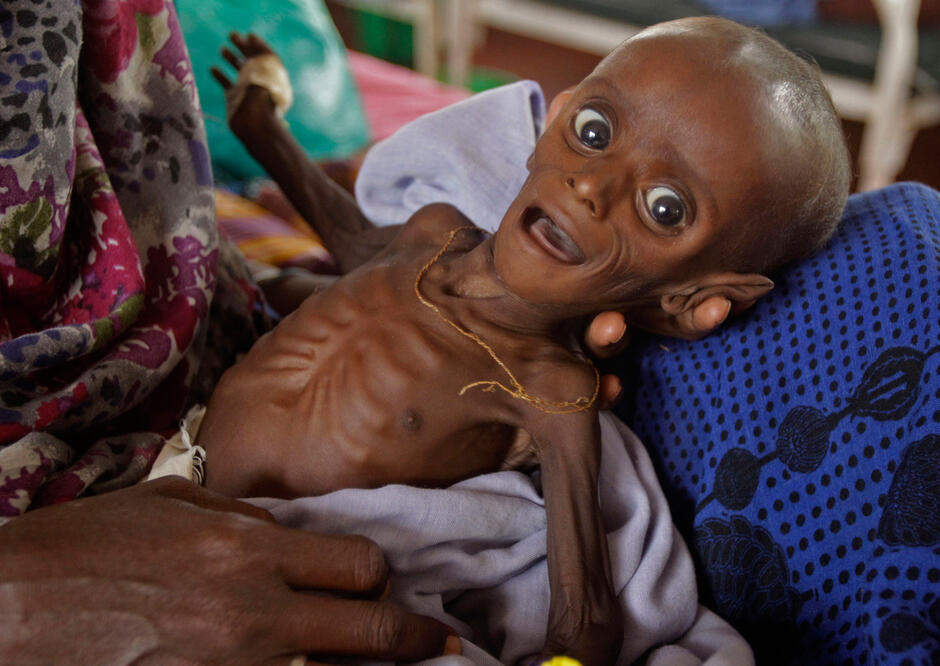
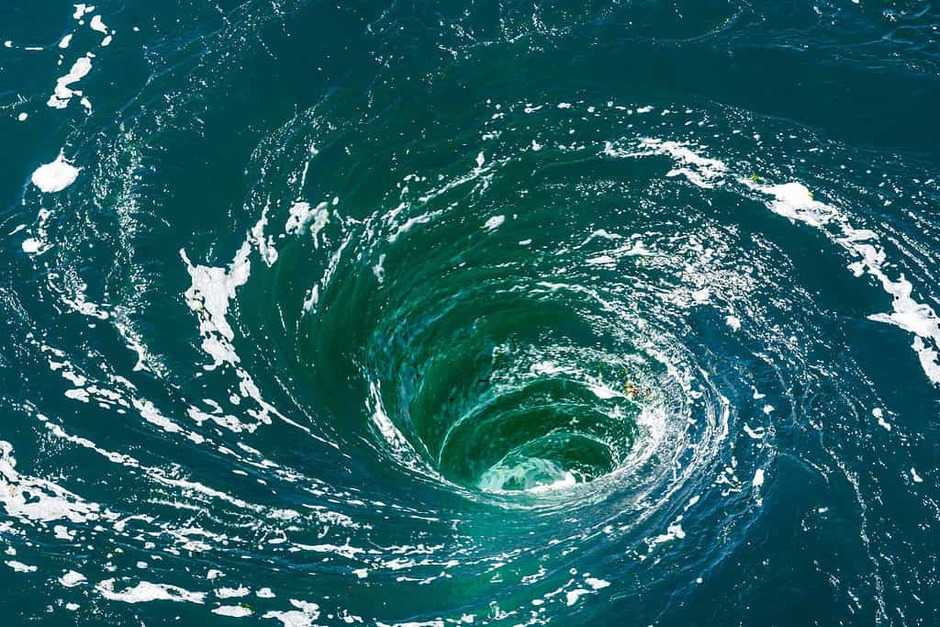
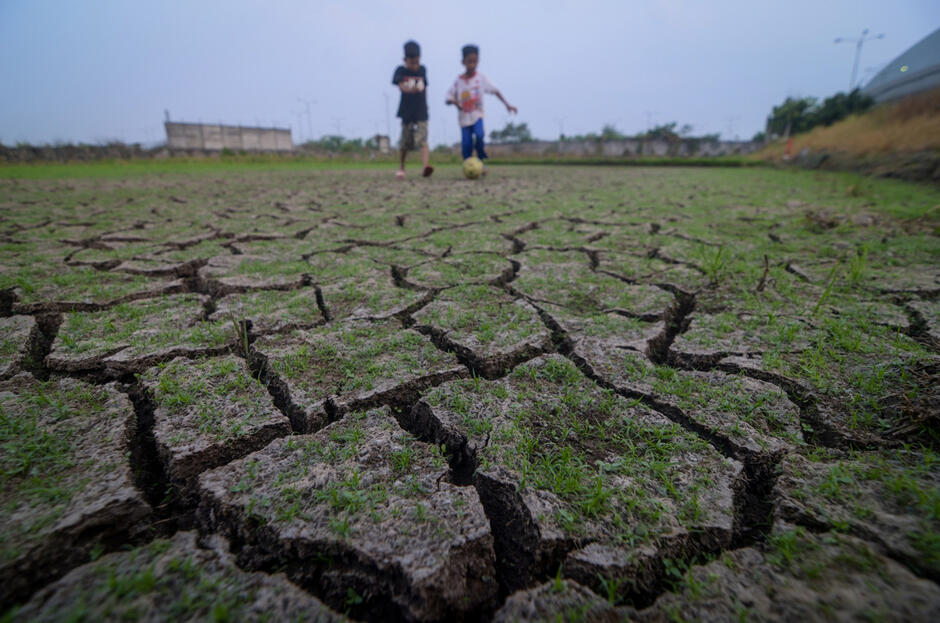
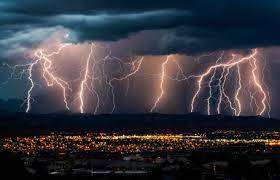
Refer the words to the photos
word
photo
1
Famine
А
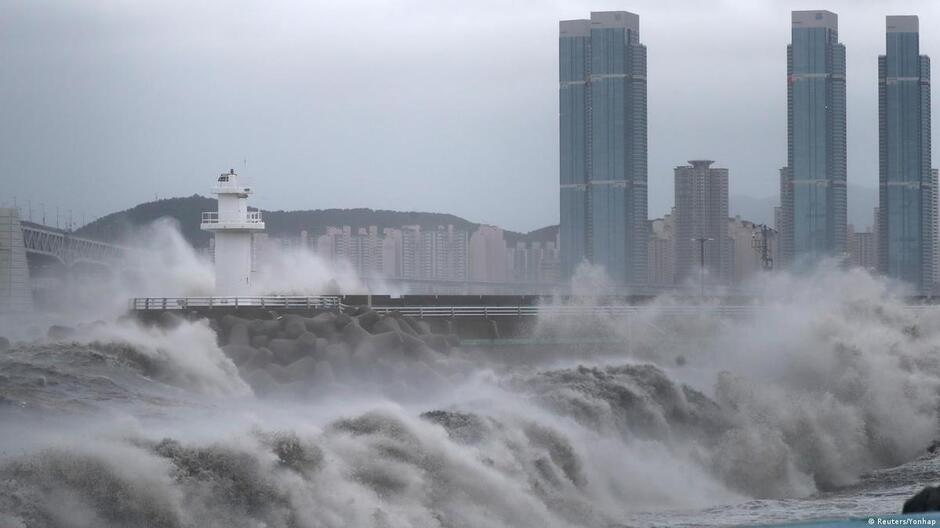
2
Crop failure
Б
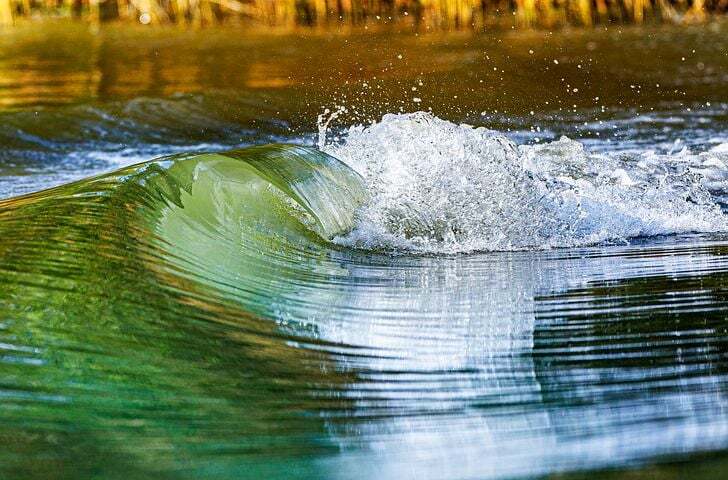
3
Typhoon
В
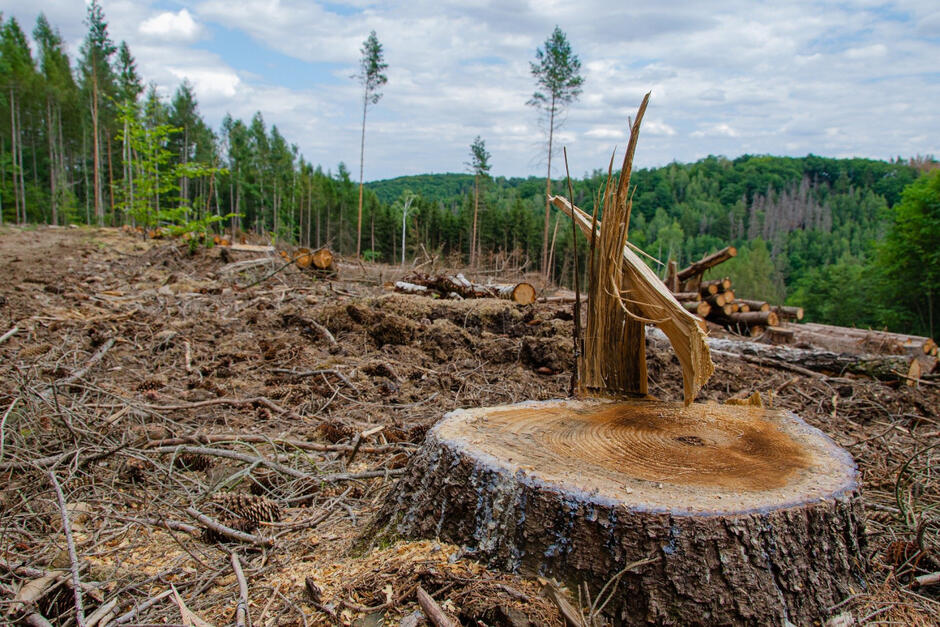
4
Tidal wave
Г
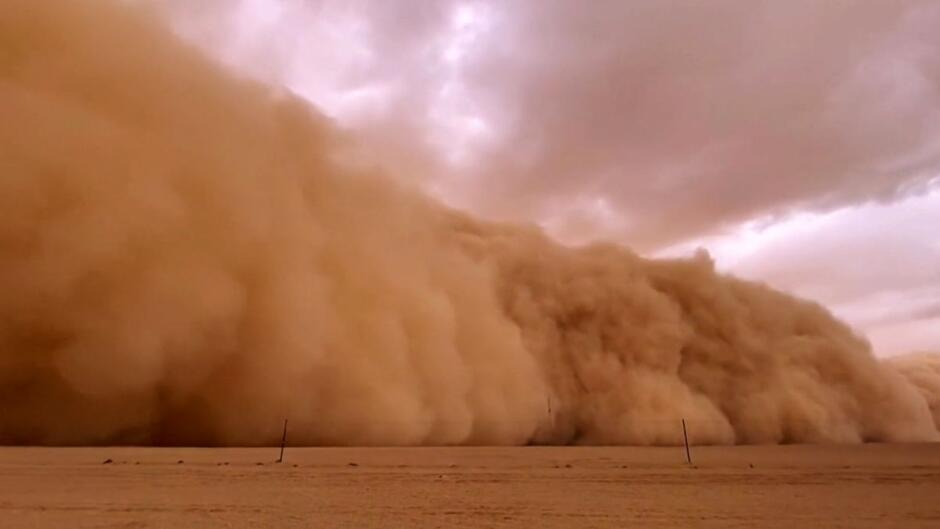
5
Whirlpool
Ґ
6
Thunderstorm
Д
7
Sandstorm
Е
8
Deforestation
Є
Рефлексія від 8 учнів
Сподобався:
0
Так: 3
Ні: 5
Зрозумілий:
0
Так: 2
Ні: 6
Потрібні роз'яснення:
0
Ні: 3
Так: 5