- Всеосвіта›
- Бібліотека тестів›
- Англійська мова›
- HS2 2019 unit4 p78 act4

Тест:
HS2 2019 unit4 p78 act4

01.10.2021
Вміст тесту:
1
2
3
4
5
6
7
8
9
10
11
Тест містить питання скопійовані з: K4 75, HS 2, Unit 4 – General TEST 4 .
1
12 з 132 балів
Each of the words in bold is in the wrong sentence. Write the correct word.
1 The sun is at the centre of the solar origin.
2 The Earth is the satellite that we live on.
3 The moon goes round the Earth so it's a/an planet.
4 The system on the moon is very different to the one on Earth. For example, there are no plants on the moon.
5 Scientists aren't sure of the environment of the moon, but they think that maybe it was once part of the Earth.
2
12 з 132 балів
Complete using the words in the boxes.

1 Have you heard what the weather for tomorrow?
2 Britain is experiencing a at the moment. If's unusually hot and it hasn't rained for several weeks.
3 If's not going to rain much, but there might be the occasional .
4 During the thunderstorm, the was so loud I hid under the bed!
5 hit a tree in the garden during the thunderstorm and a branch came off.
6 I wish I lived in a country with a warmer .

7 I don't see a lot of because I live in a big city.
8 It's very unusual to see this of bird round here at this time of year.
9 lf it's got six legs, it's probably a/an .
10 Humans and monkeys are different types of .
11 Snakes and lizards are different kinds of .
3
12 з 132 балів
Match the Ukrainian and English equivalents.
1
рекордні повені, урагани та лісові пожежі
А
unprecedented global crop failures
2
глобальний клімат стрімко теплішає
Б
a huge soon-arriving problem
3
впливаючи на все більші і більші території світу
В
social and racial injustice, hunger, and poverty
4
безпрецедентні глобальні неврожаї
Г
record-breaking floods, hurricanes, and wildfires
5
немислиме масове голодування
Ґ
global warming consequences
6
найбільш руйнівні та важливі глобальні проблеми
Д
an ongoing loss of natural habitat
7
наслідки глобального потепління
Е
global climate is rapidly warming
8
велика проблема, яка незабаром з’явиться
Є
hitting the global markets and global financial systems
9
значно збільшить дефіцит продуктів харчування
Ж
unthinkable mass starvation
10
триваюча втрата природного середовища існування
З
affecting larger and larger areas of the world
11
соціальна та расова несправедливість, голод та бідність
И
most destructive and important global problems
12
ураження світових ринків та світових фінансових систем
І
significantly increase food shorta
4
12 з 132 балів
1. Before making a decision, the leader considered all … [a), b), c), d)] of the argument.
a) features
b) perspectives
c) sides
d) shades
2. This new printer is recommended as being … [a), b), c), d)] reliable.
a) highly
b) greatly
c) strongly
d) readily
3. When I realized I had dropped my gloves, I decided to … [a), b), c), d)] my steps.
a) regress
b) resume
c) return
d) retrace
4. The snow was … [a), b), c), d)] heavily when I left the house.
a) dropping
b) falling
c) landing
d) descending
5. I can't find my keys anywhere - I … [a), b), c), d)] have left them at work.
a) must
b) can
c) ought
d) would
6. You should not have a dog if you are not … [a), b), c), d)] to look after it.
a) adapted
b) prepared
c) arranged
d) decided
7. The farmhouse was so isolated that they had to generate their own electricity … [a), b), c), d)] .
a) current
b) supply
c) grid
d) power
8. We stopped to let each other talk, then we started talking … [a), b), c), d)] , and laughed at each other.
a) same time
b) meanwhile
c) punctually
d) simultaneously
9. The bus is not … [a), b), c), d)] to come so we'd better go on foot as it is not very far.
a) maybe
b) completely
c) likely
d) alike
10. In a democracy, if there is a … [a), b), c), d)] decision, anything can be done even if the decision is not reasonable.
a) majority
b) absolute
c) rare
d) minority
11. … [a), b), c), d)] meeting has been cancelled.
a) Tomorrow’
b) Tomorrow’s
c) Tomorrows’s
d) Tomorrows’
12. The more cigarettes you smoke a day, and the longer you've smoked, the higher your risk of lung cancer. … [a), b), c), d)] , the risk rises the deeper you inhale and the earlier in life you started smoking.
a) However
b) Conversely
c) Therefore
d) Similarly
13. Anorexia nervosa is an eating disorder affecting mainly girls or women, … [a), b), c), d)] boys or men can also suffer from it.
a) nevertheless
b) such as
c) despite
d) since
14. They will be coming in an hour, so I have got to prepare something for dinner, … [a), b), c), d)]?
a) shouldn’t we
b) won’t they
c) haven’t I
d) don’t I
15. She never takes her books to the dormitory with … [a), b), c), d)] .
a) hers
b) her
c) she
d) herself
16. Jane has a car, the doors of … [a), b), c), d)] are completely different.
a) that
b) whose
c) its
d) which
17. She is … [a), b), c), d)] single parent.
a) a
b) an
c) the
d) -
18. … [a), b), c), d)] black is her favourite colour.
a) The
b) -
c) A
d) An
19. … [a), b), c), d)] coffee is produced in … Brazil.
a) The / -
b) - / a
c) - / -
d) A / the
20. Some people think that we should preserve the … [a), b), c), d)] traditions of countries.
a) brand-new
b) deeply-rooted
c) part-time
d) bright-lit
21. They were very tired [a), b), c), d)] last Monday.
a) energized
b) refreshed
c) exhausted
d) lively
22. The dog was very small. [a), b), c), d)]
a) enormous
b) giant
c) significant
d) tiny
23. Can you recommend a book that's suitable … [a), b), c), d)] her.
a) for
b) about
c) in
d) by
24. Tom is hopeless … [a), b), c), d)] remembering birthdays.
a) to
b) for
c) at
d) in
25. The red jacket is [a), b), c), d)] the blue jacket.
a) expensiver than
b) the most expensive
c) the more expensive than
d) more expensive than
26. Please, … [a), b), c), d)] me the newspaper a postman … today.
a) show / brought
b) show / has brought
c) showed / brought
d) shows / brings
27. Do you … [a), b), c), d)] that woman in the corner? She … her dog walk.
a) saw / was having
b) to see / is having
c) see / is having
d) seen / have
28. My dog … [a), b), c), d)] a lot but it … at the moment.
a) barks / isn’t barking
b) is barking / doesn’t bark
c) barked / didn’t bark
d) was barking / won’t bark
29. I … [a), b), c), d)] about it at the moment and I think that I … how to use it now.
a) am reading / know
b) was reading / knew
c) read / know
d) shall read / have known
30. Tom … [a), b), c), d)] the book since yesterday morning and he … it.
a) has read / just finished
b) had been reading / has just finished
c) has been reading / has just finished
d) read / is just finishing
31. You … [a), b), c), d)] avoid being in such a room full of cigar smoke. The doctor has warned you.
a) can
b) must
c) would
d) would rather
32. My word! It … [a), b), c), d)] you ages to write all this. There are more than 2,000 pages!
a) will take
b) ought to take
c) must take
d) has to take
33. Dad … [a), b), c), d)] his pills before starting to fast; now he is suffering from his stomach.
a) had to take
b) must have taken
c) had better take
d) should have taken
34. The doctor told me to stay in bed for a few days otherwise complications … [a), b), c), d)] .
a) had to set in
b) could set in
c) might set in
d) must set in
35. Hillary told me she … [a), b), c), d)] in New-York all that year, and she had no wish to leave the city.
a) had lived
b) was living
c) lived
d) were living
36. Sharon said she … [a), b), c), d)] her key in her pocket, but she couldn't find it there.
a) had left
b) left
c) had been left
d) has left
37. Julia said that she … [a), b), c), d)] hard for the past few weeks and was very tired.
a) was working
b) would be working
c) worked
d) had been working
38. Ann begged me not to tell her father what … [a), b), c), d)] earlier that day.
a) would happen
b) happen
c) had happened
d) would be happening
39. The teacher said the pupils … [a), b), c), d)] so much noise during the breaks.
a) don’t have to make
b) mustn't make
c) didn’t make
d) haven’t make
40. George was worried if … [a), b), c), d)] enough time to finish his report for the conference.
a) he would have
b) would he have
c) will he
d) he will
41. In my interview I asked Celia Young why … [a), b), c), d)] another romantic novel.
a) she wrote
b) she is writing
c) she has written
d) she had written
42. I thought you said Jack … [a), b), c), d)] you when he got back from his trip to the mountains.
a) will phone
b) would phone
c) phoned
d) ought to phone
43. Nina said Lucy complained that her friends never … [a), b), c), d)] any attention to what she told them.
a) had paid
b) would pay
c) paid
d) pay
44. Lora wondered if her cousin … [a), b), c), d)] in town for the rest of the summer; she wanted him to go to the country with her.
a) is going to stay
b) was going stay
c) was going to stay
d) would be going to stay
45. Jerry said that by the end of the year he … [a), b), c), d)] in this new house for four years.
a) would have been living
b) would live
c) would be living
d) would been living
5
12 з 132 балів
Read the text below. Match choices (A-H) to (1-5). There are three choices you do not need to use.
Which notice says this?
A You needn't go far to get to this college.
B The school year starts early at this college.
C The sign shows the way to the sports centre.
D You can find out the college majoring with the help of the sign.
E This college isn't situated in the city centre.
F You can learn about the college staff.
G The sign informs about the college curriculum.
H You can find information about college campus.
1. [A, B, C, D, E, F, G, H]

2. [A, B, C, D, E, F, G, H]
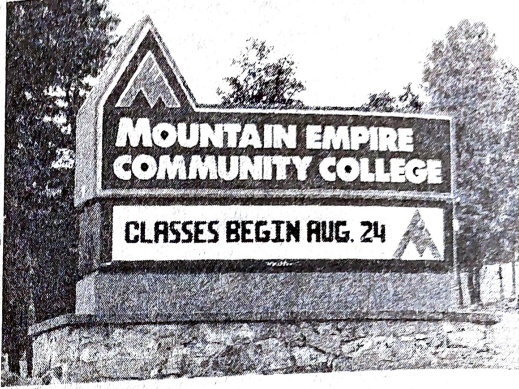
3. [A, B, C, D, E, F, G, H]
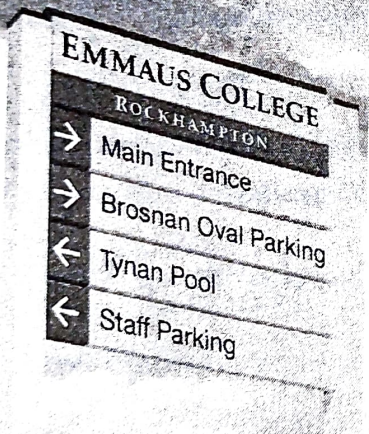
4. [A, B, C, D, E, F, G, H]

5. [A, B, C, D, E, F, G, H]
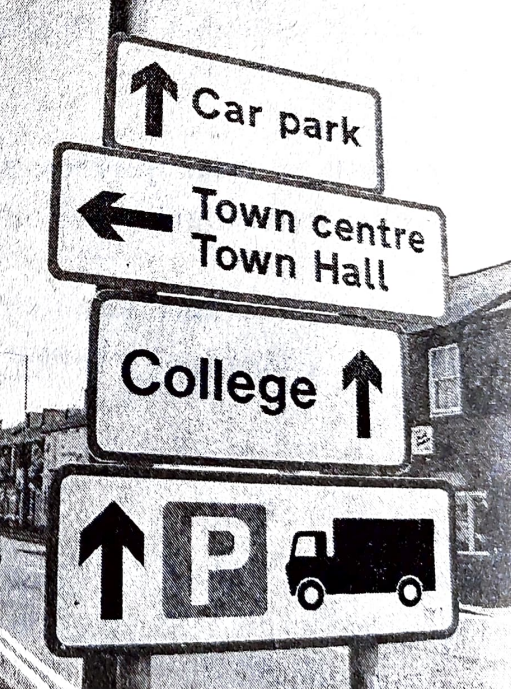
6
12 з 132 балів
Read the text below. Choose from (A-H) the one which best fits each space (1-5). There are two choices you do not need to use.
A how long they have been teaching
B that can contribute
C what will be studied in the class
D to interact with people in the community
E high standards of excellence
F caused by the poor preparation
G who speak your language
H spread out around the world
With thousands of English Language Studying Programmes (1) _ [A, B, C, D, E, F, G, H] students often have a difficult time identifying the ideal programme for them, So, in order to make the right choice, students should consider a number of factors.
First, find a programme that will help you to reach your goals, whether they are for business, entrance to a university, or pleasure. Look over the programmes website and see if you can find a statement which should reveal the programme's own goals. Ask for a copy of a class syllabus to see (2) _ [A, B, C, D, E, F, G, H] . Talk to current or former students to see what their experiences were like.
Second, look into the teachers' qualifications to see not only (3) _ [A, B, C, D, E, F, G, H] but also what experiences they have had working with international students. Do the teachers have experience working overseas? Do they speak another language? If so, they might have a better understanding of the educational backgrounds of their students. Third, ask about the student composition of the programme. How many nationalities are represented in the classes? A broad mix of students will give you a variety of opportunities to speak English and learn about other foreign cultures. However, even if there are students (4) _ [A, B, C, D, E, F, G, H] , you can still have a very positive experience, especially if the teacher encourages the use of English in class. On the other hand, don't choose a programme solely based on classroom composition. Remember that you will only be in class a few hours a day, so you'll actually have more time outside of class (5) _ [A, B, C, D, E, F, G, H] , so THAT is your real classroom.
Then, compare the prices of programmes in the area you want to live Just remember that price is not the best indicator of a programme's quality, though keep in mind that better and more experienced instructors are often paid more, and thus, the tuition reflects this. Also, the school might provide good computer, recreational, and educational facilities (6) _ [A, B, C, D, E, F, G, H] to a good learning atmosphere, and thus, this can be added to your tuition cost. Thus, as the experience shows, you get what you pay for.
7
12 з 132 балів
Read the text below. For questions (22-33) choose the correct answer (A, B, C or D).
iPhone That Talks Back
Now even your phone can talk back.
Matt Legend Gemmell, a (22) [software, footware, silverware, chinaware] designer from Edinburgh, got a new Apple Inc. iPhone on Friday and asked it: «Who's your daddy?»
«You are», the phone answered, in the (23) [saying, vote, voice, speech] of an authoritative man.
The real science of artificial intelligence is finally catching up to science (24) [discovery, computer, fiction, based]. HAL 9000, the scary computer that could respond from the movie «2001: A Space Odyssey, has come to life, in the form of Siri, a (25) [theoretical, unreal, actual, virtual] personal assistant that comes with Apple's new iPhone 4S, which arrived in stores in October 2011.
The phone takes verbal commands and questions, and (26) [responds, inquires, asks, demands] with computer-generated speech. Real humans are responding to this amazing (27) [invitation, invention, invasion, envision] by asking their iPhones ridiculous questions.
The good news is Siri has a sense of humour.
Micah Gantman, the director of mobile business at software firm HasOffers.com in Seattle, asked his (28) [iPhone, staff, personnel, employees]: «How much wood would a wood chuck chuck if a woodchuck could chuck wood? » It answered: «Depends if you're talking about African or European wood».
Nicky Kelly, a 40-year-old from Suffolk, UK, asked her iPhone: «Tell me a joke. It answered: «Two iPhones walk into a bar ... I forget the rest».
When blogger Joshua Topolsky asked Siri about the meaning of life, it said: «I can't answer that now, but give me some time to write a very long play in which nothing happens».
A lot of work went into so much (29) [false, imitation, natural, artificial] sarcasm.
The (30) [users, consumers, creators, clients] of Siri put «deep thought» into the personality of their software, says Norman Winarsky, a co-founder of the company that was bought by Apple for $200 million in 2010. Siri was born out of an artificial intelligence project at SRI International, a research institute.
An Apple spokeswoman declined to answer questions about (31) [why, what, how, when] Siri works. (32) [He, She, It, They] uses different voices in each of its available markets: female in the US, Australia and Germany, and male in the UK and France.
However, we know that Siri has two distinct systems at its heart. One listens and (33) [answers, translates, copies, reloads] what customers are saying, the other interprets the meaning behind the request and responds.
8
12 з 132 балів
Listening 1.
Listen to seven short conversations about people’s homes. Match the picture to the conversation.
1. [a, b, c]
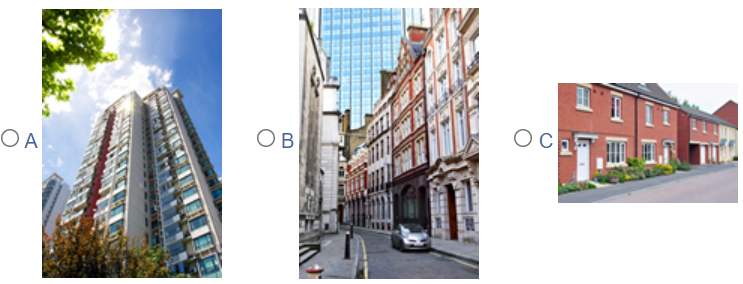
2. [a, b, c]
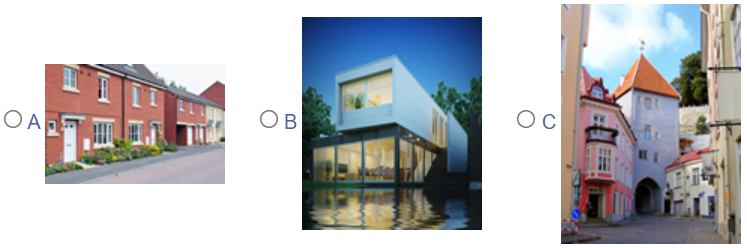
3. [a, b, c]
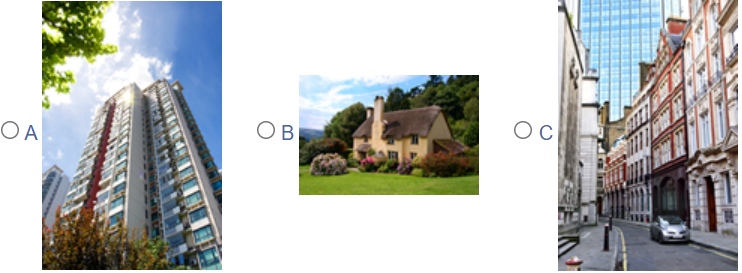
4. [a, b, c]
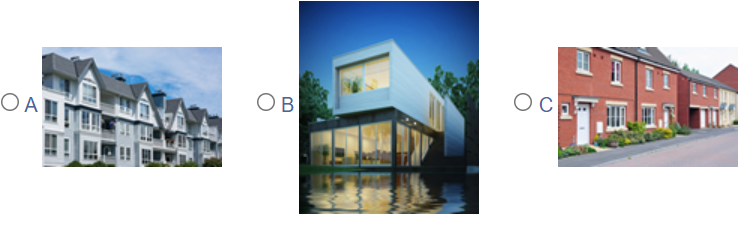
5. [a, b, c]

6. [a, b, c]

7. [a, b, c]

9
12 з 132 балів
Listening 2.
There are six questions in this part. For each question listen to a short recording and answer the question.
1. You will hear two people discussing holiday plans. They both want to ... [a, b, c]

2. You will hear a woman complaining about her new French teacher. The woman thinks that her teacher ... [a, b, c]

3. You will hear a man talking about a woman he met recently. Why did he enjoy meeting her? [a, b, c]

4. You will hear two people talking about transport. Why does the woman drive her car to work? [a, b, c]

5. You will hear two people talking about a history museum. Who would the man recommend the museum to? [a, b, c]

6. You will hear two people talking about a bike ride. What did the man dislike about the ride? [a, b, c]

10
12 з 132 балів
Listening 3.
Listen to Adam talking to Carol about his day. Choose the correct answer.
1. Adam went to bed late because… [a, b, c]
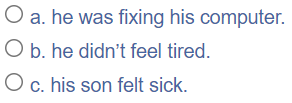
2. Adam’s son returned to bed at… [a, b, c]
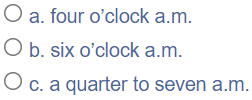
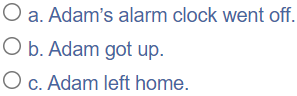
3. At ten to eight, [a, b, c]
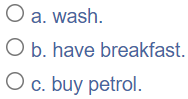
4. In the morning, Adam didn’t have time to… [a, b, c]
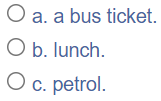
5. Adam borrowed money to buy… [a, b, c]
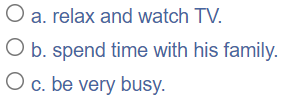
6. This evening, Adam will… [a, b, c]
11
12 з 132 балів
Listening 4.
Look at six sentences for this part.
You will hear a conversation between a boy, William, and a girl, Sophie, in a music shop. Decide if each sentence is correct or incorrect.
1.  [yes, no]
2.  [yes, no]
3.  [yes, no]
4.  [yes, no]
5.  [yes, no]
6.  [yes, no]
Рефлексія від 14 учнів
Сподобався:
0
Так: 13
Ні: 1
Зрозумілий:
0
Так: 11
Ні: 3
Потрібні роз'яснення:
0
Ні: 7
Так: 7