- Всеосвіта›
- Бібліотека тестів›
- Англійська мова›
- HS2 2019 unit3 p53

Тест:
HS2 2019 unit3 p53

09.06.2022
Вміст тесту:
1
2
3
4
5
6
7
8
9
10
11
Тест містить питання скопійовані з: HS2 2019 unit3 p53.
1
12 з 132 балів
Reading 1
1.Read the text below. Choose from (A-H) the one which best fits each space (1-5). There are three choices you don’t need to use.
A Book early flights
B Think local everywhere
C Book hotels in the business district
D Look for all-inclusive details
E Travel on those days
F Secure empty middles
G Avoid travel-related difficulties
H Plan a carefree trip
Some Travel Tips on Saving
1.
[A, B, C, D, E, F, G, H]
If you are travelling with someone else, a good tip is to book one window and one aisle seat in the same row. This increases the chances that no one will purchase the central seat and you’ll have more room when you fly.
2.
[A, B, C, D, E, F, G, H]
The first flight in the morning is always less likely to have a delay. So, if you can get up at the crack of dawn, you will probably get to your vocation sooner.
3.
[A, B, C, D, E, F, G, H]
The days of travel that are generally the cheapest are Tuesday, Wednesday or Saturday. There are also tend to fewer people travelling on those days, which make the airport and airline experience more pleasant. The majority of airfare sales also come out on Tuesday, Freedman adds.
4.
[A, B, C, D, E, F, G, H]
Just as you may check out daily deal websites to find good deals in in your city, search for neighbourhood deals in your destination city and you’ll have more authentic experience devoid of tourists trappings. Many sites also offer deals that have a short expiration date. If you sign up for these offers and act fast, you can get some serious troubles.
5.
[A, B, C, D, E, F, G, H]
If you are looking for a weekend away, book your hotel in the central trade district or a financial district of the city you are visiting. These hotels are busiest Monday to Friday and often try to attract weekend travellers. Plus, downtown hotels generally have a higher numbers of stars.
Reading 2
2.Read the text below. Choose from (A-H) the one which best fits each space (1-5). There are three choices you don’t need to use.
Choose the appropriate category according to the advertisement.
A Health and Fitness
B Sports
C Travel
D Master Classes
E Technology
F Shopping
G Concerts
H Food and Culture
1. [A, B, C, D, E, F, G, H]
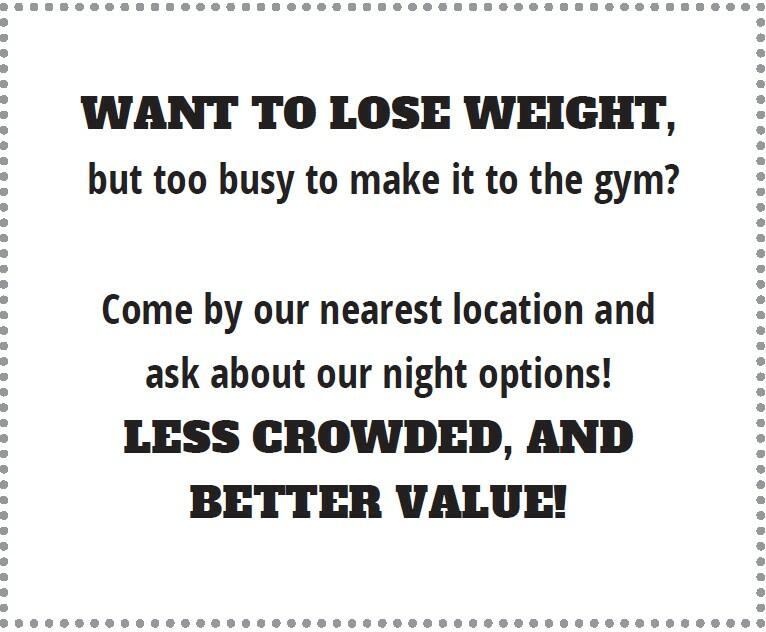
2. [A, B, C, D, E, F, G, H]

3. [A, B, C, D, E, F, G, H]

4.
[A, B, C, D, E, F, G, H]
5.
[A, B, C, D, E, F, G, H]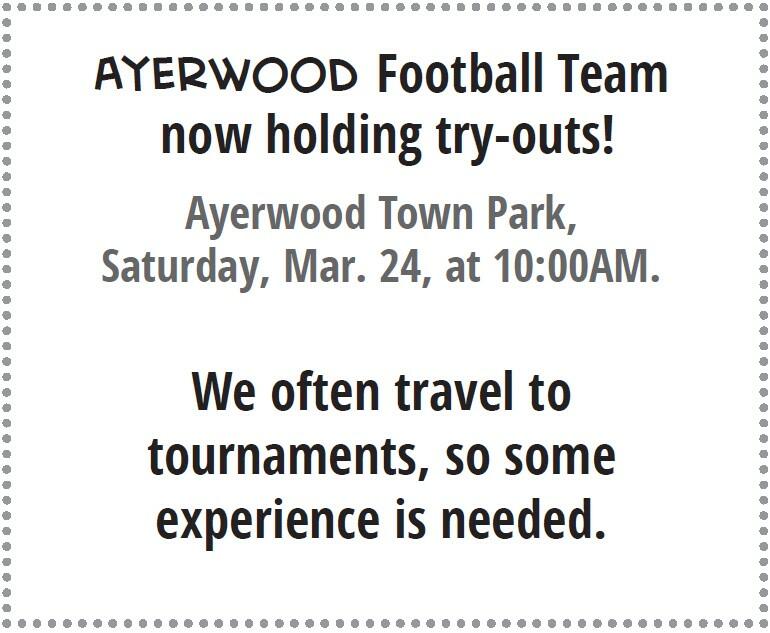
Reading 3
Read the text below. Choose from (A-H) the one that best fits each space (33-38). There are two choices you do not need to use.
A for you to stay with a host family that doesn’t suit you
В and ask them to be clear about what they expect of you
C you’ll learn a lot about life in your adopted home simply by living there.
D that’s what seems ‘normal’ to you
E as well as the small
F or talk to your professors
G as it might seem particularly when you’re first settling in
H who moved into apartments halfway through the semester
DO YOU WANT ТО LEARN ABOUT THE LOCAL CULTURE?
I sincerely hope your answer to this question is ‘yes’, because I’m not sure why you’d want to study abroad somewhere if you feel ambivalent about the local culture. Even if you don’t seek out information about regional differences, traditional styles of dress, or local cuisine, (33) [A, B, C, D, E, F, G, H] .
However, if you find yourself with many questions about local festivals, traditions, or politics, a host family could prove to be a valuable resource. They can contextualize the big things, like if the whole country goes on strike for a day, (34) [A, B, C, D, E, F, G, H] , like whether or not you should say hello to people on the elevator.
They can tell you about their favourite local haunts and invite you to gatherings with their family and friends.
You can do research online (35) [A, B, C, D, E, F, G] or study abroad coordinators about questions regarding your host culture. But nothing can quite beat encountering something that confuses you and having your host parents explain it to you over dinner on the same day.
Are you ready to experience a new family’s rules and quirks?
The family you grew up with set your expectations for what families are like. If your family had big get-togethers with friends and neighbours, (36) [A, B, C, D, E, F, G, H] . If your family sat down for dinner at 6:00 every night, that’s what you automatically expect other families to do.
Are you ready to deal with a whole new family? It’s not as hard (37) [A, B, C, D, E, F, G, H] , but there could be some awkwardness, particularly when you’re first settling in and still learning about the differences between this family and your own.
The bottom line: Be honest about your needs.
Communication is key to having a positive experience with a host family. Make sure they know what you expect of them, (38) [A, B, C, D, E, F, G, H] . Do you need to call them if you aren’t coming home for dinner? Probably. Should they stop trying to cajole you into eating seafood, after you’ve told them once that you don’t like it? Probably.
This is your study abroad experience. Now make it a memorable one.
2
12 з 132 балів
Listening 1
1.Listen to the speaker. For questions (1-6) choose the right answer (A, B or C).
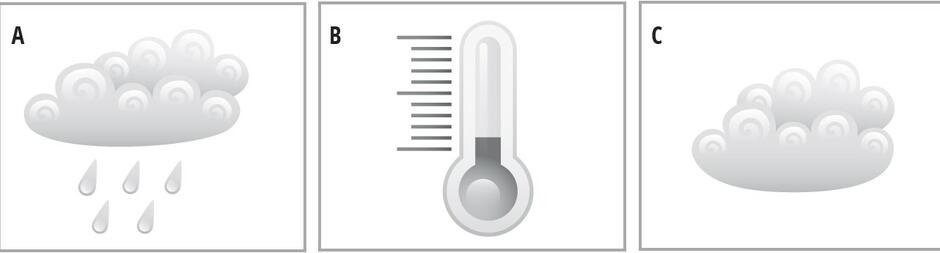
1.What’s the weather going to be tonight? [A, B, C]
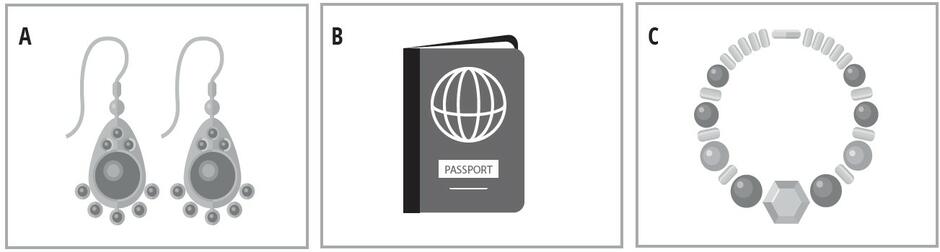
2. Which of the following things did the woman forget? [A, B, C]
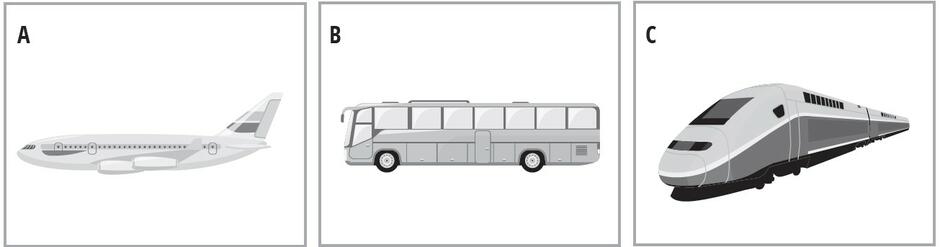
3. Which of the following transport will Mrs. Williams take to Vienna? [A, B, C]
4. What did the man learn from his favourite book?
[A, B, C]
A It’s ok to feel discouraged.
B We have to know what our problems are before we can solve them.
C It’s most important to focus on our big problems, not our small ones.
5. Why is the boy running late?
[A, B, C]
A He lost track of time.
B He overslept.
C His previous class finished late.
6. Choose the correct statement.
[A, B, C]
A The music festival continues until Sunday.
B B Adults can enter the art gallery for free.
C There will still be a lot of traffic on Sunday evening.
Listening 2
2.Listen to the text. For statements 7-11, choose TRUE if the sentence is true according to the text, FALSE if it is false. You will listen to the text twice.
7. Jessie wanted to cut out sugar to lose weight. [true, false]
8. Eating too much sugar is linked to many problems in both physical and mental health. [true, false]
9. Jessie knew what products she needed to cut out of her diet. [true, false]
10. All sugars are bad for you. [true, false]
11. Jessie doesn’t think she will go back to eating lots of sugar. [true, false]
Listening 3
You will hear 5 different people talking about their dancing careers. For questions 19-23 choose from the list (A-F) which statement applies to each person. Use the letter only once. There is 1 extra letter.
A) This person unexpectedly had to stop dancing | 19) Speaker 1 |
B) This person helps run the company | 20) Speaker 2 |
C) This person often dances in other cities | 21) Speaker 3 |
D) This person dances roles for older dancers | 22) Speaker 4 |
E) This person has not danced any leading roles | 23)Speaker 5 |
F) This person does not like dancing leading roles |
19) [A, B, C, D, E, F]
20) [A, B, C, D, E, F]
21) [A, B, C, D, E, F]
22) [A, B, C, D, E, F]
23) [A, B, C, D, E, F]
3
12 з 132 балів
Words 1
Tick all the words referring to "Goods"
Запитання №4 Із заповненням пропусків у тексті
Запитання №5 На встановлення відповідності
Запитання №6 Із заповненням пропусків у тексті
Запитання №7 З вибором правильної відповіді у тексті
Запитання №8 З вибором правильної відповіді у тексті
Запитання №9 Із заповненням пропусків у тексті
Запитання №10 З вибором правильної відповіді у тексті
Запитання №11 З вибором правильної відповіді у тексті
Рефлексія від 0 учнів
Сподобався:
0
Так: 0
Ні: 0
Зрозумілий:
0
Так: 0
Ні: 0
Потрібні роз'яснення:
0
Ні: 0
Так: 0