- Всеосвіта›
- Бібліотека тестів›
- Англійська мова›
- HS2 (2019) Unit2 act6 p30

Тест:
HS2 (2019) Unit2 act6 p30

17.10.2021

Вміст тесту:
1
2
3
4
5
6
7
8
1
12 з 96 балів
Decifer the words from the theme "Means of transport" by filling in the correct vowels. Put atricles where necessary.
jt
cht
cmmtr trn
cch
cr
frr
trwlr
lrr
stt cr
trlr
frght trn
trck
rwng-bt
sprsnc rcrft
2
12 з 96 балів
Match the picture with the corresponding word:
1

А
a van
2

Б
a yacht
3

В
a rowing-boat
4
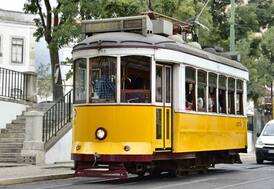
Г
an airplane
5
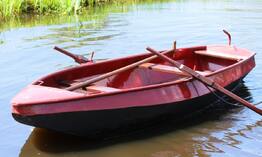
Ґ
a trailer
6

Д
a bicycle
7

Е
a privat jet
8
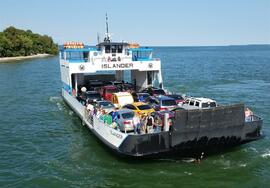
Є
a hot air balloon
9
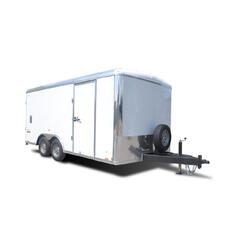
Ж
a train
10
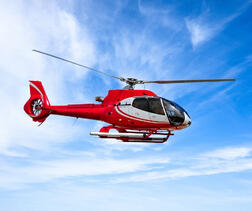
З
a tram
11
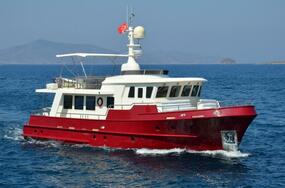
И
an ocean liner
12

І
a ferry
13
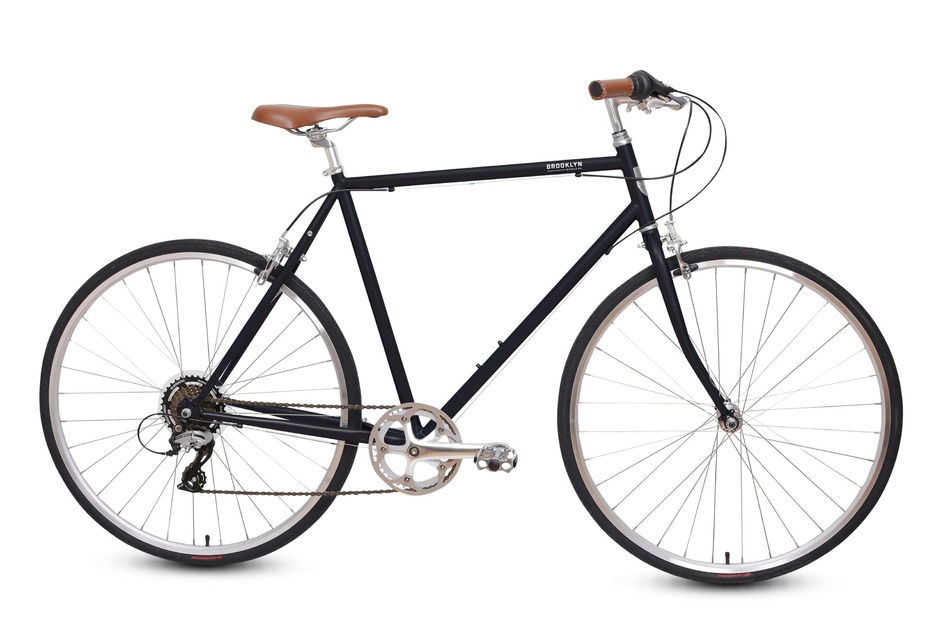
К
a trawler
14
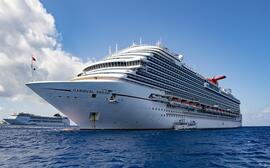
Л
a truck
15
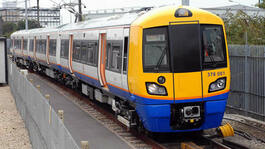
М
a helicopter
3
12 з 96 балів
Guess the words by the definitions and write them with articles or particles TO where necessary:
1) the time when a person or a vehicle leaving somewhere
2) one of the places at an airport where you show your ticket so that you can be told where you will be sitting
3) to get onto or allow people to get onto an aircraft
4) bags, cases, etc. that weigh more than the weight you are allowed to take onto a plane, or the extra money you have to pay for it to be taken
5) a seating scheme,where each ticket is assigned a specific seat in the venue at the time of purchase
6) the area in an airport where passengers wait before getting onto an aircraft
7) the amount/weight of luggage you can take without paying additional money
8) cases or bags that you take onto a plane with you and are not checked in
9) to write the information in an official document that lists and gives details of goods that are being imported or exported
4
12 з 96 балів
Read the sentences below. For gaps (1-12) choose the correct answer (A, B, C or D).
1. Don't doubt. I__ [A, B, C, D]finish this work tomorrow.
A could
B might
C had to
D will be able to
2. You__ [A, B, C, D]take my dictionary to translate this text.
A may
B need
C doesn't have to
D shouldn't to
3. He is very busy now. This work __ [A, B, C, D] be done at once.
A mustn't to
B can't
C could to
D should to
4. You are quite right. These results __ [A, B, C, D] to be examined thoroughly.
A must
B should
C have
D can
5.-Is there anybody at home?- Mary __ [A, B, C, D]be at home. The light is on.
A must
B have to
C can to
D is able to be
6. __ [A, B, C, D] you help me to translate this sentence? I need your help right now.
A Should
B Must
C Shall
D Could
7. The chemist's was open, so luckily I __ [A, B, C, D] buy some aspirin.
A Can
B must
C was able to
D couldn't
8. Let's wait a little. He __ [A, B, C, D]soon.
A may have come
B may come
C could have come
D might have come
9. When we went to the forest, we__ [A, B, C, D] smell something burning.
A could
B can
C must
D might
10. To my mind, the government __ [A, B, C, D]take care of old people.
A shall
B need to
C must
D may
11. How __ [A, B, C, D]she say such awful things?
A may
B should
C must
D can
12. Drunk-driving __ [A, B, C, D]result in a heavy fine or imprisonment.
A should
B may
C had to
D is able to
5
12 з 96 балів
Open the brackets and put the verbs into the correct form:
1. (you/already/to see) this film?-Yes, I (to see) it two days ago. I (to think) it (to be) rather interesting.
2. They (already/to get) to the railway station and I (to think) they (to wait) for their train now.
3. What (he/to do) now? He (to play) the new piano which his parent (to buy) him this morning.
4. She (already/to walk) in the park for two hours.
5. Last night my telephone (to ring) four times. Each time I (to answer) the phone, the person at the other end (to ring) off.
6. The policemen (just/to discover) a thief in this office. They (already/to help) the victims.
7. She (to look) very tired when she (to get) home yesterday. She (to have) a bad day.
8. After he (to work) for ten hours, he came home and (to fall) asleep.
9. (you/ever/to be) frightened by something? Yes, I (to be) frightened by a strange noise in the bushes when I (to run) round the park last week.
10. The day before yesterday he told me that he (not to come) home by seven last Sunday.
1. In the programme we (to watch) last night, they (to save) animals in the forest.
12. She (to begin) doing her lessons at five. It is seven o'clock but she (still/to do) her lessons. When (she/to finish) doing them at last?
13. I (not to be) sure now that they (to write) the test by four o'clock.
14. When we (to help) our mother about the house last Sunday, our father (to come) and (to invite) us to the café.
15. What (you/to get) by next year?
6
12 з 96 балів
Choose the correct variant:
1. I visit the Grand Canyon … [a, b, c, d]I go to Arizona.
a) once
b) whenever
c) wherever
d) anywhere
2. This is the place … [a, b, c, d] we stayed last time we visited.
a) where
b) when
c) how
d) after
3. … [a, b, c, d]you win first place, you will receive a prize.
a) wherever
b) if
c) unless
d) if not
4. … I have salad for dinner, … I can have ice cream for dessert. [a, b, c, d]
a) either / nor
b) when / than
c) whether / than
d) if /then
5. We were working hard; … , [a, b, c, d]Jill and Jerry were relaxing by the pool.
a) however
b) instead
c) while
d) therefore
6. … [a, b, c, d]we didn’t have many toys when we were kids, we used to enjoy ourselves a lot.
a) As soon as
b) Except for
c) Although
d) Despite
7. I still have a terrible toothache … [a, b, c, d]the drugs I have been taking for days.
a) such as
b) even though
c) unless
d) in spite of
8. Melinda never misses the concerts of her favoutire band … [a, b, c, d]they give one near her hometown.
a) whenever
b) until
c) wherever
d) so that
9. … wealth … [a, b, c, d]fame makes me happy. I only want my freedom and privacy.
a) Either / nor
b) Both / and
c) Neither / nor
d) Hardly / when
10. My grandfather turned up the volume of the TV … [a, b, c, d]hear the news.
a) in case
b) so that
c) in addition to
d) in order to
11. Look at the drunken driver at the end of street! He … [a, b, c, d] an accident.
a) have
b) is having
c) is going to have
d) will be having
12. The swimmer … to be in difficulty, but he … to reach the shore in the end. [a, b, c, d]
a) seems / managed
b) seemed / has managed
c) has seemed / managed
d) seemed / managed
13. “The police … the New York bomber” … the headline of the newspaper. [a, b, c, d]
a) catch / was
b) is catching / is
c) catches / was
d) has caught / is
14. When Mrs Stone … to her flat, she … the call of her mother on the answering machine. [a, b, c, d]
a) returned / had seen
b) returned / saw
c) has returned / sees
d) returns / has seen
15. When we … the forest, it … darker. [a, b, c, d]
a) have arrived / has been getting
b) arrive / has been getting
c) arrived / was getting
d) arrived / got
16. No English teacher … [a, b, c, d]to the school yet.
a) was appointed
b) has been appointed
c) had been appointed
d) were appointed
17. Lord Jim … [a, b, c, d]with the degree of bravery in 1644.
a) was honoured
b) has honoured
c) honoured
d) is honoured
18. The injured fan … to hospital after he … in a seated area of the stadium before the start of the game. [a, b, c, d]
a) was taken / was attacking
b) was taking / had been attacked
c) has been taken / has been attacked
d) was taken / was attacked
19. After years of running three miles in 21 minutes, his knees … [a, b, c, d]from the high impact exercise.
a) had ruined
b) ruined
c) were ruined
d) have ruined
20. A lot of people … early yesterday morning in a car crash that … outside my office. [a, b, c, d]
a) have been killed / was happened
b) were killed / happened
c) were killed / was happening
d) have killed / had happened
21. Astronomers suggest that there are two separate universes, one made out of matter, our own, and … [a, b, c, d] made out of antimatter.
a) the other
b) another
c) others
d) each
22. There are issues that needed … [a, b, c, d]attention before the disaster.
a) several of
b) a great many
c) a great deal of
d) the number of
23. How does one go about making sure adults discharge responsibilities when they are … unaware of what … can do? [a, b, c, d]
a) theirs / they
b) them / he
c) us / we
d) themselves / they
24. In the play, the two players cannot see or hear … [a, b, c, d] , but they are seated at interconnected computers
a) themselves
b) another
c) each other
d) the others
25. He asked me … questions every … minutes. [a, b, c, d]
a) several / many
b) a number of / few
c) many / one another
d) less / a few
26. The infection can spread easily in a school, where many young live in close proximity to … . [a, b, c, d]
a) the other
b) others
c) themselves
d) one another
27. Eating healthy tomatoes is only one small way to take care of … , … community and the planet. [a, b, c, d]
a) them / theirs
b) yourself / your
c) themselves / my
d) your / mine
28. You … a doctor as soon as you … this irritating headache. [a, b, c, d]
a) should have visited / felt
b) had to visit / feel
c) might visit / felt
d) could visit / feel
29. Oh no! Fred's wallet is lying on the coffee table. He … [a, b, c, d] it here last night.
a) shall have left
b) should have left
c) must have left
d) would have left
30. We… [a, b, c, d]for the bus for over an hour that under heavy rain before it arrived. We have both caught cold.
a) mustn’t have waited
b) shouldn’t have waited
c) couldn’t have waited
d) may not be waiting
31. I understand it very well. You … [a, b, c, d]explain further.
a) are not to
b) wouldn’t
c) won’t
d) needn’t
32. You can come to the meeting if you want but you … [a, b, c, d]
a) wouldn’t
b) don’t have to
c) shouldn’t
d) are not to
33. Is Ottawa the capital of Canada? – I think … [a, b, c, d].
a) is
b) well
c) so
d) right
34. We never … [a, b, c, d] television when I was a child.
a) have had
b) hadn’t
c) had
d) didn’t have
35. We paid the restaurant bill … [a, b, c, d] credit card.
a) to
b) with
c) on
d) by
36. If you … [a, b, c, d]money from a friend, you should always pay it back promptly.
a) borrow
b) earn
c) spend
d) lend
37. Can I make myself a cup of coffee? – Of course. You … [a, b, c, d] to ask.
a) haven’t
b) mustn’t
c) needn’t
d) don’t have
38. … [a, b, c, d] anywhere interesting recently?
a) Do you go
b) Have you been
c) Are you going
d) Will you go
39. Learning the piano isn’t as difficult … [a, b, c, d]learning the violin.
a) like
b) so
c) than
d) as
40. If the weather … [a, b, c, d] bad tomorrow, we can go to a museum.
a) will be
b) was
c) is
d) would be
41. One cannot … [a, b, c, d]from this event that he drives badly; he happened to be very tired that night.
a) concern
b) conclude
c) complain
d) confirm
42. Although he says he can't … [a, b, c, d]even a second- hand car, I saw him driving a BMW yesterday.
a) afford
b) provide
c) meditate
d) create
43. I saw our teacher … [a, b, c, d] to an adult audience about the effects of drugs.
a) persuading
b) convincing
c) interacting
d) talking
44. One has to … [a, b, c, d]hard to get a good place at the university.
a) retreat
b) insist
c) work
d) base
45. I was … [a, b, c, d] by the play they performed. It was better than I expected.
a) impressed
b) taken over
c) ashamed
d) informed
7
12 з 96 балів
Read the text below. For questions (1-5) choose the correct answer (A, B, C or D).
In spite of its widespread diffusion, music remains an enigma. Music for those who live with it is so important that to be deprived of it would be cruel and unusual punishment. Moreover the perception of music as a central part of life is not only for professionals or gifted amateurs. It is true that those who studied the techniques of musical composition can more thoroughly appreciate the beauty of a musical work than those who have not. But even listeners who cannot read musical notation and who have never learnt an instrument may be deeply involved so that a day without music is wasted.
In the context of contemporary culture, this is puzzling. Many people think that music is a luxury rather than a necessity, and that words or pictures are the only means of influence. Those who do not appreciate music think that it has no significance except giving pleasure. This is, no doubt, why our society seldom provides a significant place in education. Today, when education is becoming very practical, music is likely to be treated as an extra in the school curriculum and which only well-to-do parents can afford.
1. What does the author of the text find enigmatic about music? [A, B, C, D]
A That it can be enjoyed by anyone.
B That a thing so widely loved does not play a more important role in our society.
C That so many people who love music do not enjoy it more often.
D That our education system does not find it important.
2. How do different people take music? [A, B, C, D]
A As something unusual.
B As something not necessary
C As something that interferes with their life.
D As something that only some people can afford.
3. What do many people think about the role of music in education? [A, B, C, D]
A That it is overestimated.
B That it is underestimated.
C That it is not thought about at all.
D That it is forgotten.
4. Which words in the text show that the author is critical about the role of music? [A, B, C, D]
A A day without music is wasted.
B This is puzzling.
C A luxury.
D Treated as an extra.
5. Which of these titles is the most suitable for the text? [A, B, C, D]
A A day without music is wasted.
B Music is not important.
C Music is an enigma.
D Music is wonderful.
Read the texts below. Match choices (A-H) to (1-5). There are three choices you do not need to use.
1. [A, B, C, D, E, F, G, H]Chocolate is made from the seeds of the tree Theobroma cacao. The ancient Aztecs used the beans of the cacao tree as a form of money. The Aztecs discovered that by the crushing the beans into a paste and adding spices, they could make a refreshing and nourishing drink. This drink was very bitter, not like our chocolate drinks today. 16th-century European explorers brought the drink back from their travels, added sugar, and soon it was popular as an expensive luxury.
2. [A, B, C, D, E, F, G, H]You can receive “sweet tooth” from your parents. Recent study at New York University suggests there is a genetic reason why some people prefer sugary foods. The study was based on two groups of mice. The parents of the first group were given sweetened water and the parents of the second-unsweetened water. The team found the gene that was different in the two groups of mice and then looked for similar genetic chains in humans.
3. [A, B, C, D, E, F, G, H]All modern chocolate products have large amounts of sugar, a fact which may partly explain why it becomes a sort of drug for some people. An ability to recognize sweet things, and a tendency to like them was very useful for our forefathers. Such a genetic quality made prehistoric humans look for energy-rich, healthy and tasty food such as fruit, and helped them avoid bitter-tasting poisonous plants.
4. [A, B, C, D, E, F, G, H]Like other sweet food, chocolate helps endorphins, natural hormones that give us the feelings of pleasure and well-being, to appear in our body. Chocolate also makes us feel good by reacting with our brains. Scientists say that some people may develop chocoholism a dependency on chocolate. So it's just possible that, with every bar of chocolate, your brain changes step by step in order to make you love chocolate more and more!
5. [A, B, C, D, E, F, G, H]Back in the 17th and 18th centuries, many scientific works were written explaining the advantages of chocolate for medicine, and today it's a regular food in army rations. Chocolate could help prevent tooth decay, according to scientists at Japan's Osaka University. The cocoa beans from which chocolate is made have an antibacterial agent that fights tooth decay. These parts of the beans are not usually used in chocolate production, but in future they could be added back in to chocolate to make it friendly for teeth.
A Chocolate Mania
B History of Chocolate
C Love of Sweet from Your Father
D Balanced Diet
E Friend or Enemy
F Safe Sweetness
G Help to Dentists
H Problems with Weight
Read the texts below. Match choices (A-H) to (1-6). There are two choices you do not need to use.
1. [A, B, C, D, E, F, G, H]The Palace of Holyrood House is one of the most ancient of the residences still occupied by the royal family. It is closely connected with the history of Scotland. It is open to the public throughout the year except during royal visits.
2. [A, B, C, D, E, F, G, H]Edinburgh Castle was a royal palace and much fine building work went on here: the oldest building St Margaret's Chapel, dates from the 12th century: James IV built the Great Hall with its magnificent oak roof.
Other highlights of the tour include the huge 15th-century siege gun and the palace where Mary Queen of Scots gave birth to James VI.
3. [A, B, C, D, E, F, G, H]Of all Scotland's rich historic homes and castles, Thirlestane offers something quite special. Here there is so much to see and enjoy at leisure that many visitors return time and time again. Thirlestane's historic toy collection makes it a favourite for families too.
4. [A, B, C, D, E, F, G, H] Walk through a Victorian Street full of shops, peep into family living rooms through the centuries. Discover a fascinating collection of clothes, furniture and household things, dating to the period from 1580-2000.
5. [A, B, C, D, E, F, G, H]Located in a historic house built in 1622, the Writers' Museum is unique to Scotland. Dedicated to the lives and work of Scotland's greatest literary figures, in particular Robert Burns, Sir Walter Scott and Robert Louis Stevenson, the museum contains collections of rare things and manuscripts.
6. [A, B, C, D, E, F, G, H] The People's Story Museum is filled with the sounds, sights and smells of Edinburgh life in the past. The Museum tells about people who worked in Edinburgh industries, trades and services, about their work and pastimes. It uses reconstructed scenes, objects and photographs to bring their story to life.
Which place ______ ?
A collects things connected with famous writers
B does the queen stay in when she comes to Scotland
C collects things of working class people
D is the birthplace of one of the Scottish kings
E is the treasure house of toys
F shows the life of people during centuries
G shows a mixture of eastern and western traditions
H is full of the houses of some famous film stars
8
12 з 96 балів
Listening
Questions 1-7
There are seven questions in this part. For each question there are three pictures and a short recording. Choose the correct picture and the corresponding letter (A, B, or C)
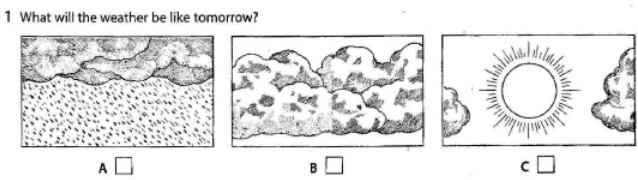 [A, B, C]
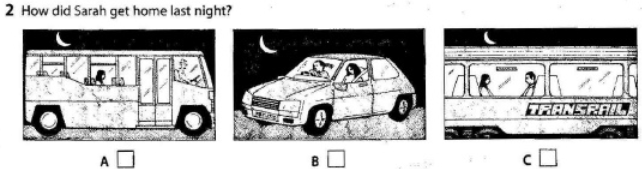 [A, B, C]
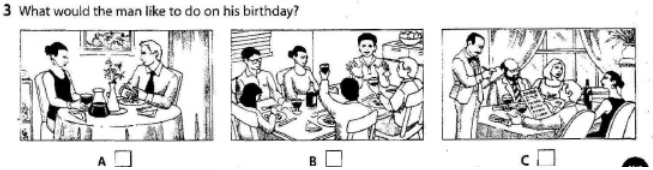 [A, B, C]
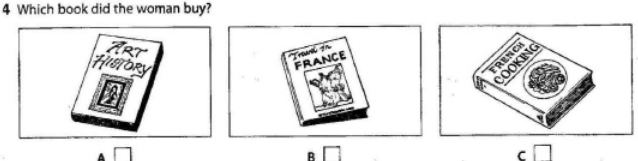 [A, B, C]
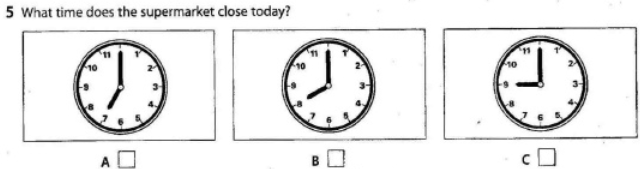 [A, B, C]
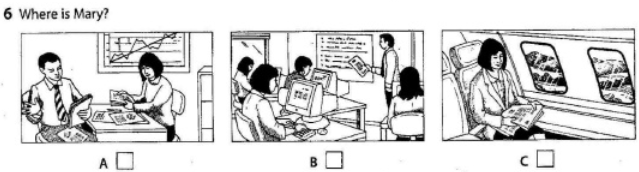 [A, B, C]
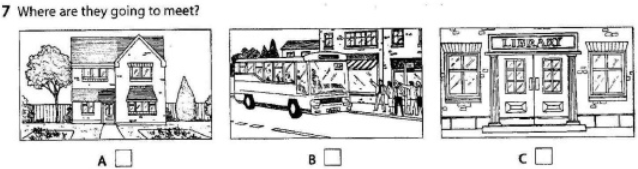 [A, B, C]
Questions 8-13
You will hear an interview with an organizer at a tennis club. For each question, choose the correct letter.
 [A, B, C]
 [A, B, C]
 [A, B, C]
 [A, B, C]
 [A, B, C]
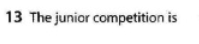
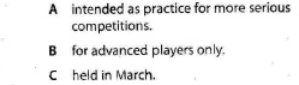 [A, B, C]
Questions 14-19
Look at the six sentences for this part. You will hear a conversation between a girl, Maria, and a boy, Dominic, about keeping fit. Decide if each sentence is true (T) or false (F)
14) Maria and Dominic agree that running a marathon would be enjoyable. [T, F]
15) Maria is worried that running will be boring. [T, F]
16) Maria regularly does exercise classes. [T, F]
17) Dominic thinks Maria will feel uncomfortable running in the park. [T, F]
18) Dominic would feel happier running alone. [T, F]
19) Dominic thinks Maria needs to make an effort. [T, F]
Рефлексія від 16 учнів
Сподобався:
0
Так: 13
Ні: 3
Зрозумілий:
0
Так: 10
Ні: 6
Потрібні роз'яснення:
0
Ні: 11
Так: 5