- Всеосвіта›
- Бібліотека тестів›
- Англійська мова›
- HS1 2019 unit9 p157 act5

Тест:
HS1 2019 unit9 p157 act5

21.02.2022
Вміст тесту:
1
2
3
4
5
6
7
8
9
10
11
12
Тест містить питання скопійовані з: HS1 2019 unit9 p157 act5.
1
12 з 144 балів
Listening 1
Questions 1-7
There are seven questions in this part.
For each question, there are three pictures and a short recording.
Choose the correct picture.
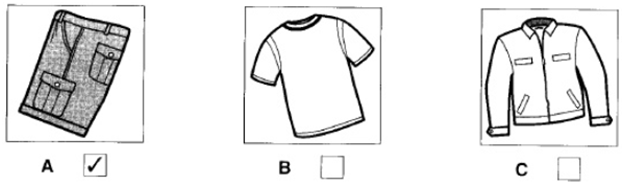
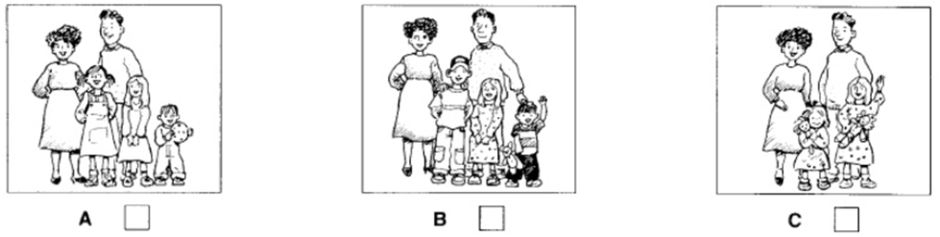
Example: What will the boy take back to the shop?
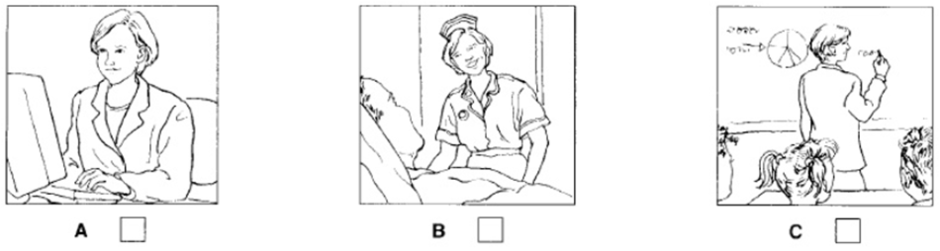
1. Which job does the woman do now? [A, B, C]
2. Where will they meet? [A, B, C]
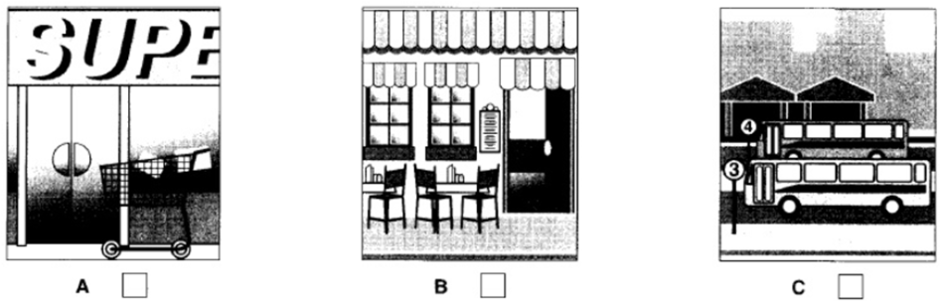
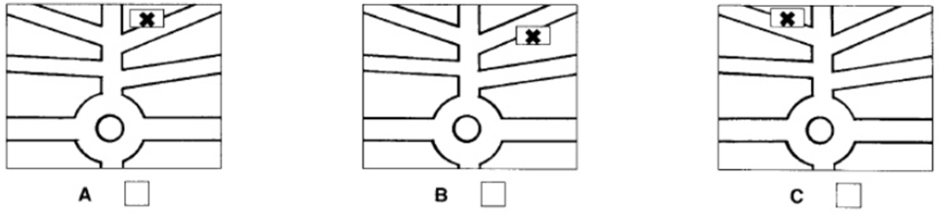
3. Where is the car park? [A, B, C]
4. Which date is Brian’s birthday? [A, B, C]

5. Which photo are they looking at? [A, B, C]
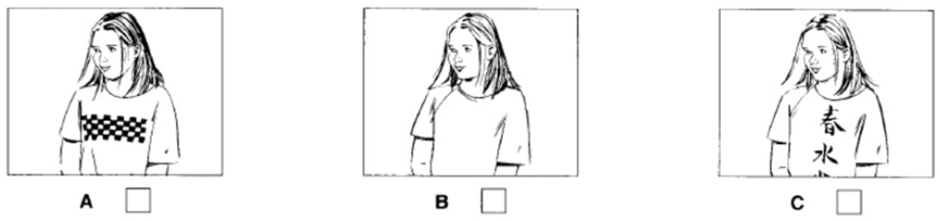
6. Which T-shirt is Beth wearing? [A, B, C]
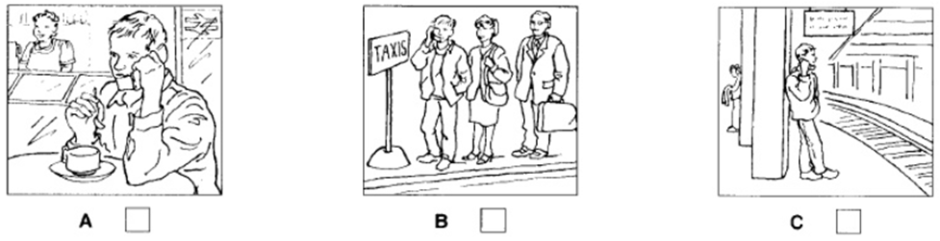
7. Where is the man? [A, B, C]
Listening 2
Questions 8-13
You will hear part of a radio programme called What’s On.
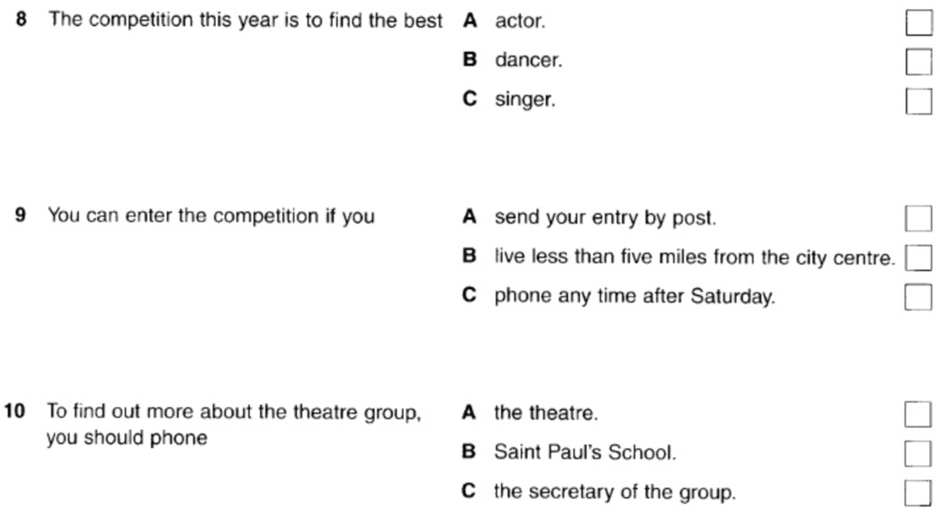
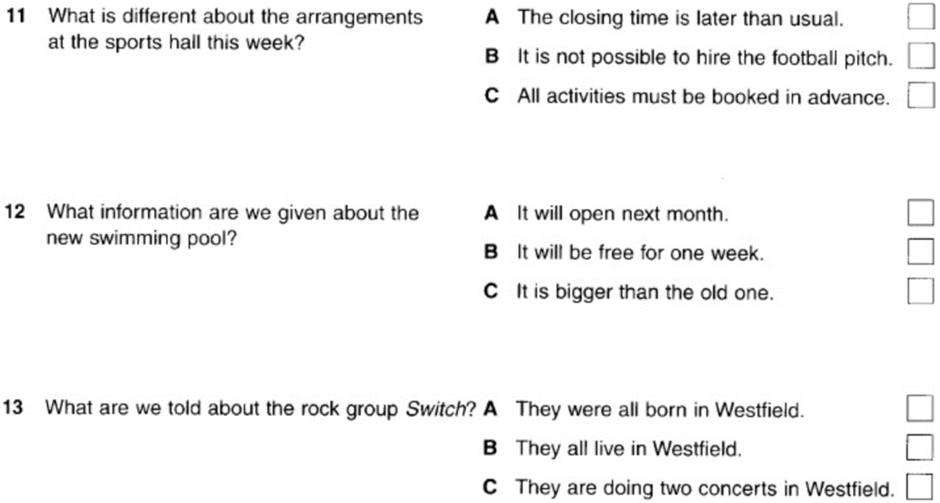
8. [A, B, C]
9. [A, B, C]
10. [A, B, C]
11. [A, B, C]
12. [A, B, C]
13. [A, B, C]
2
12 з 144 балів
Reading 1
Read and translate the words.
to distinguish - розрізняти
chiefly - в основному
including - включаючи
to evolve out - з'явитися з
to express - виражати
to last - тривати
Popular Music
Popular music is music created as a commercial product. It is usually distinguished from classical music and from folk music. Classical music is written chiefly for concerts, operas, and ballets. Folk music is the traditional music of a particular group or community of people, such as an occupational, ethnic, or regional group. Folk music is usually learned by listening to another person rather than reading music. There are many different styles of popular music in the United States, including bluegrass, blues, country, gospel, jazz, musical comedy, rap, reggae, and rock. In some cases, the categories of popular, folk, and classical music overlap. For example, jazz and country music evolved out of folk traditions. Some styles, such as blues and bluegrass, exist both as popular music and as folk music. Such classical composers as Leonard Bernstein and Lois Moreau Gottschalk have written pieces in the style of popular music. Although much popular music expresses sentiments of love, other popular songs serve as a vehicle for social description. Popular music is often thought to have meaning only for the time in which it was created. However, many popular songs have lasted for decades.
Activity 1. Mark if the following statements are true or false.
1. Popular music is music created as a commercial product. [true, false]
2. Classical music is written for operas and ballets. [true, false]
3. Folk music is the serious music of a particular group or community of people. [true, false]
4. Folk music is usually learnt by hearing of another person rather than by writing music. [true, false]
5. Some styles exist both as popular and as folk music. [true, false]
6. Some popular songs serve as a vehicle for social description. [true, false]
7. Popular music exists for ever. [true, false]
8. However, many popular songs have lasted for decades. [true, false]
9. Popular music is rarely thought to have meaning only for the time in which it was created. [true, false]
10. In some cases the categories of popular, folk and classical music overlap. [true, false]
Activity 2. Match the correct variant.
1. Popular music is music created as … [a, b, c, d]
a. mass culture b. a vehicle for racial description
c. a commercial product d. a means of relaxation
2. Classical music is written chiefly for … [a, b, c, d]
a. special listeners b. operas and ballets
c. ignoramuses d. pleasure
3. Folk music is (the) … [a, b, c, d]
a. traditional music of a particular group of people
b. central to the youth culture
c. for dancing in particular
d. for singing in particular
4. Folk music is usually learned by … [a, b, c, d]
a. listening to another person
b. reading music
c. singing with popular musicians
d. going out
5. In some cases, the categories of popular, folk, and classical music … [a, b, c, d]
a. overlap b. do not overlap
c. intensify c. do not intensify
6. Jazz and country music evolved out of ... [a, b, c, d]
a. political discussions b. music traditions
c. fashion traditions c. folk traditions
7. Some styles, such as … exist both as popular music and as folk music. [a, b, c, d]
a. rock and gospel b. musical comedy and country
c. reggae and rap d. blues and bluegrass
8. Some classical composers as Leonard Bernstein and Lois Moreau Gottschalk have written pieces in the style of ... [a, b, c, d]
a. folk music b. classical music
c. popular music d. opera music
9. … music is often thought to have meaning only for the time in which it was created. [a, b, c, d]
a. popular b. classical
c. folk c. ballet
10. Many popular songs have lasted for ... [a, b, c, d]
a. centuries b. decades
c. a month d. a week
Reading 2
Decide if the following information is true or false.
Take fifteen unemployed young people and a celebrity chef, put them together in a kitchen for a year and sit back and watch the drama unfold. Jamie Oliver is the celebrity chef. His idea was "to train a team of unemployed kids with an interest in and a passion for food and to open a first class restaurant in London to be run by them".
Jamie Oliver is a phenomenon in the UK, where his TV series shows him in his trendy apartment, cooking fashionable recipes for his cool friends. He is also seen riding his scooter and going shopping at local markets. He became so famous for his lifestyle that the supermarket chain Sainsbury's offered him a fee of over two million pounds to star in their television adverts. They claim that this has resulted in a 20 % increase in their profits.
Cooking has always been part of Jamie Oliver's life. His father runs a pub and restaurant in Essex (South-East England), and, while he was growing up, Jamie helped out in the kitchen, where he gained valuable experience before going on to train as a professional chef and work in famous Italian restaurants in London.
Jamie Oliver is very rich because of his TV shows and adverts and his successful cookery books. However, he remains in touch with his roots, and his down-to-earth style and cheeky humour have made him popular with people of all ages. He wanted "to give a little back and help inspire others", so he decided to invest in a long-term plan to help disadvantaged young people to learn about the catering industry. He has also used his influence to raise money for the project.
His restaurant is called Fifteen, reflecting both the address, 15 Westland Place, London, and the number of novices he recruited. They were chosen from 1,000 applicants, and the whole process was filmed for a five-part documentary. It wasn't easy — the restaurant went over budget, and it looked as if the team wouldn't learn to be chefs in time.
Only ten students survived the training, and viewers saw some of the dramatic moments when individual students broke down, didn't turn up for work, burned food, or when Jamie discussed their progress using his characteristic direct approach.
But the restaurant did open and is still in business. All its profits go to a charity called Cheeky Chops, aimed at producing 30 professional chefs a year. Jamie invested Ј1.3 million in the venture and put his own house at risk to finance it. He wants to set up similar schemes in New York and Sydney. And Jamie's recipe for success?
1. In the TV series Jamie Oliver cooks in his new restaurant. [True, False]
2. Sainsbury's supermarket chain gave Jamie Oliver 20 % of their profits. [True, False]
3. Jamie Oliver trained people in a pub restaurant. [True, False]
4. Jamie Oliver has decided to invest some of his money in helping other
people. [True, False]
5. He called his restaurant Fifteen to reflect the age of the young people he
recruited. [True, False]
6. TV viewers could watch the training of the chefs in a five-part
documentary. [True, False]
7. All of the original fifteen trainees became professional chefs. [True, False]
8. Jamie Oliver received Ј1.3 million from the new business. [True, False]
9. Jamie Oliver has the intention of opening more restaurants like Fifteen. [True, False]
3
12 з 144 балів
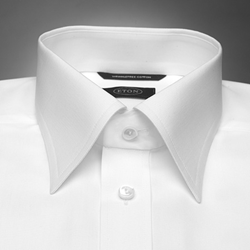
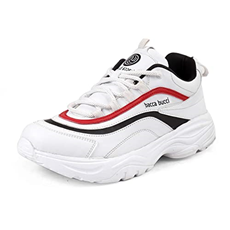
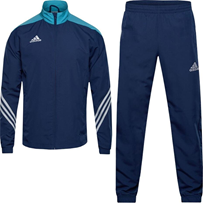
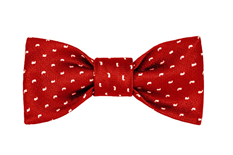
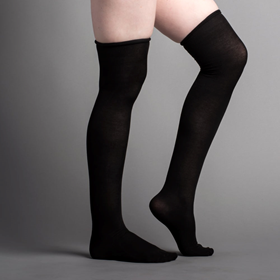
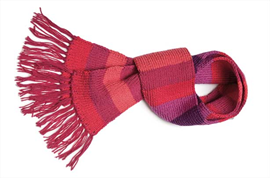
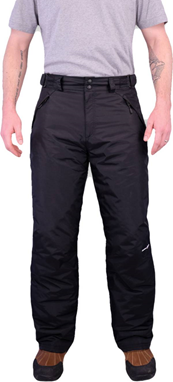
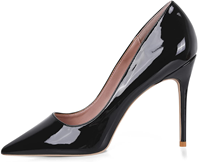
Match the words with the pictures.
1
a tie
А
2
pants
Б

3
stockings
В

4
kneebreeches
Г
5
a belt
Ґ
6
high heeled shoes
Д
7
a collar
Е
8
a tracksuit
Є

9
flip-flops
Ж
10
a scarf
З

11
a bowtie
И
12
sneakers
І
Запитання №4 Із заповненням пропусків у тексті
Запитання №5 Із заповненням пропусків у тексті
Запитання №6 Із заповненням пропусків у тексті
Запитання №7 На встановлення відповідності
Запитання №8 Із заповненням пропусків у тексті
Запитання №9 Із заповненням пропусків у тексті
Запитання №10 На встановлення відповідності
Запитання №11 З вибором правильної відповіді у тексті
Запитання №12 З вибором правильної відповіді у тексті
Рефлексія від 0 учнів
Сподобався:
0
Так: 0
Ні: 0
Зрозумілий:
0
Так: 0
Ні: 0
Потрібні роз'яснення:
0
Ні: 0
Так: 0