- Всеосвіта›
- Бібліотека тестів›
- Англійська мова›
- HS1 2019 unit10 p178 act7

Тест:
HS1 2019 unit10 p178 act7

06.04.2022
Вміст тесту:
1
2
3
4
5
6
7
8
9
10
11
12
13
Тест містить питання скопійовані з: HS1 2019 unit10 p178 act7.
1
12 з 156 балів
Listening 1
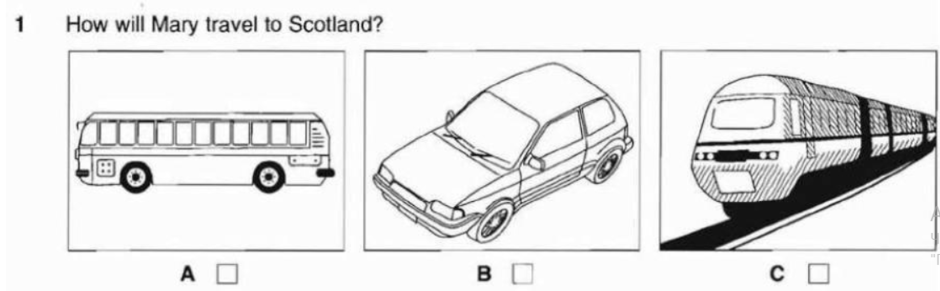
1) [a, b, c]
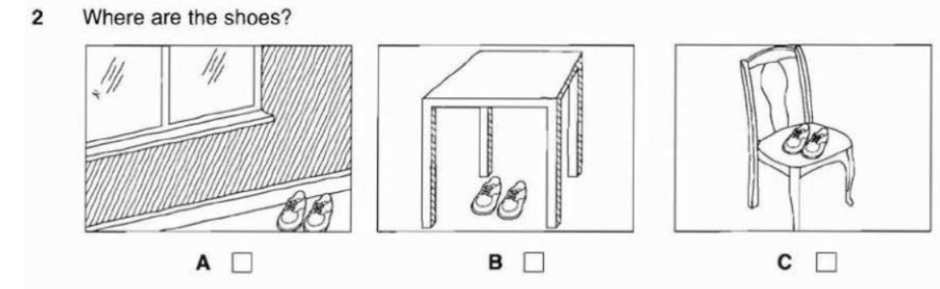
2) [a, b, c]
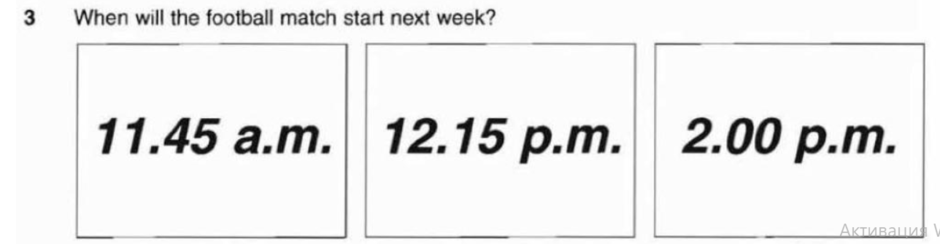
3) [a, b, c]
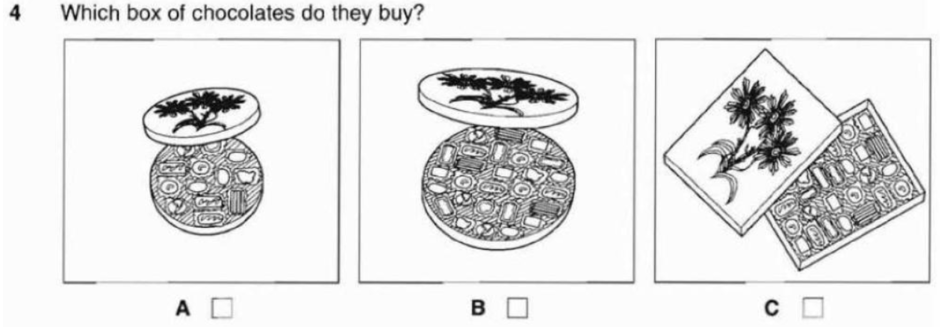
4) [a, b, c]
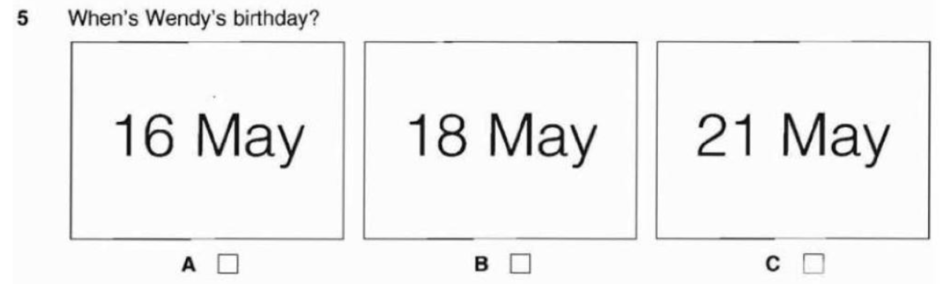
5) [a, b, c]
Listening 2

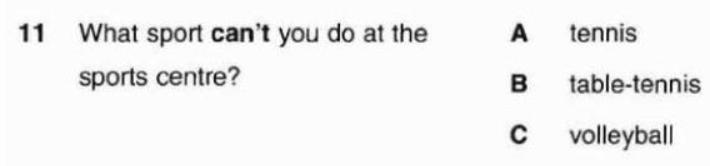
11) [a, b, c]
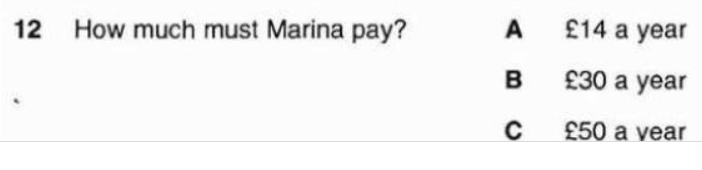
12) [a, b, c]
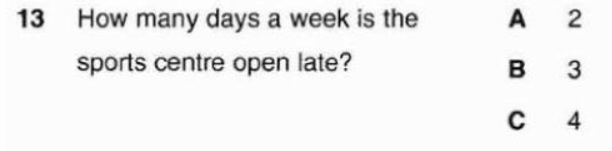
13) [a, b, c]
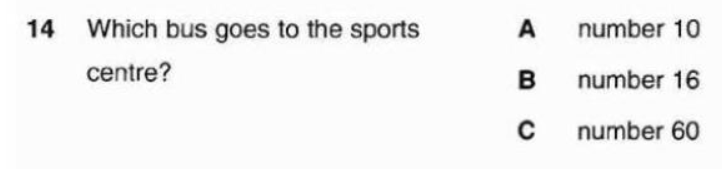
14) [a, b, c]
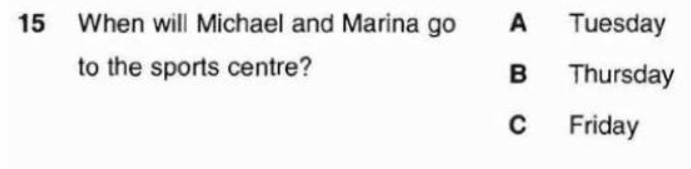
15) [a, b, c]
2
12 з 156 балів
Reading 1
You are going to read an extract from a novel called the Picture of Dorian Gray. This exercise consists of a text with multiple-choice questions. For each question, there are four options and you have to choose one of them.
Picture Of Dorian Gray The studio was filled with the rich smell of roses, and when the light summer wind stirred amidst the trees of the garden, there came through the open door the heavy scent of lilac. Beyond the soft sounds of the garden were the dim noises of London In the centre of the room, clamped to an upright easel, stood the full-length portrait of a young man of extraordinary beauty, and in front of it, some little distance away, was sitting the artist himself, Basil Hallward, whose sudden disappearance some years ago had caused, at the time, such public excitement. 'It is your best work, Basil, the best thing you have ever done,' said Lord Henry lazily. 'You should send it next year to the Tate Gallery. The Academy is too large. Whenever I have gone there, there have been either so many people that I have not been able to see the pictures, which was dreadful, or so many pictures that I have not been able to see the people, which was worse. The Tate Gallery is really the only place.' 'I don't think I will send it anywhere,' he answered, tossing his head back in that odd way that used to make his friends laugh at him at Oxford. 'No, I won't send it anywhere.' Lord Henry raised his eyebrows and looked at him in amazement. 'Not sending it anywhere? My dear friend, why? Have you any reason? What strange people you painters are! You do anything in the world to gain a reputation. As soon as you have one, you seem to want to throw it away. It is silly of you, for there is only one thing in the world worse than being talked about, and that is not being talked about. A portrait like this would set you far above all the young men in England, and make the old men quite jealous if old men are ever capable of any emotion.' 'I know you will laugh at me,' he replied, 'but I really can't exhibit it. I have put too much of myself into it.' Lord Henry stretched himself out on the sofa and laughed. 'Too much of yourself in it! I really can't see anything that looks like you, with your rugged strong face and your coal-black hair, and this young man, who looks so handsome. Of course, you have an intellectual expression and all that. I think that he is just some brainless beautiful creature who should be always here in winter when we have no flowers to look at, and always here in summer when we want something to cool our intelligence. Don't flatter yourself, Basil: you are not in the least like him.' 'You don't understand me, Harry,' answered the artist. 'Of course, I am not like him. I know that perfectly well. In fact, I prefer not to be beautiful with Dorian Gray's good looks. We shall all suffer for what the gods have given us, suffer terribly.' 'Dorian Gray? Is that his name?' asked Lord Henry, walking across the studio towards Basil Hallward. 'Yes, that is his name. I didn't intend to tell it to you.' 'But why not?' 'Oh, I can't explain.' said Basil. 'When I like people a lot, I never tell their names to my other friends. I love secrets, that 's all.' 'Of course,' agreed his friend. 'Life is much more exciting when you have secrets.' |
1. What surprises people about the artist's behavior? [a, b, c, d]
A He paints only pictures of beautiful men.
B He doesn't like to display his paintings.
C He goes away without a reason for some time.
D He lives in a rose garden in London.
2. What do we learn about Lord Henry? [a, b, c, d]
A He visits many art galleries.
B He doesn't like it when galleries are too overcrowded.
C He prefers going to the Academy rather than the Tate Gallery.
D He wants the picture to be displayed straight away.
3. According to Lord Henry, what is important for artists to do? [a, b, c, d]
A They should talk about their paintings.
B They should exhibit their painting as much as possible.
C They build up a good name for themselves.
D They should have a reason for every picture they paint.
4. At first how does Lord Henry react to the painting? [a, b, c, d]
A He is confused.
B He disapproves.
C He is suspicious.
D He is anxious.
5. According to the artist, what is he worried about? [a, b, c, d]
A The painting will cause danger and trouble.
B That people won't want to buy it.
C The painting isn't a good likeness of him.
D That people will think it is an ugly painting.
6. Why is the artist reluctant to tell the name of the person in the painting? [a, b, c, d]
A He is afraid that people will find out who he is.
B He never reveals the name of the person in his paintings.
C He enjoys making his painting mysterious.
D He wants to make it exciting for the viewer.
3
12 з 156 балів
Reading 2
This tests your understanding of various kinds of short texts: authentic notices and signs, packaging information such as, instructions on a food package. As well as communicative messages such as notes, emails, cards and postcards.
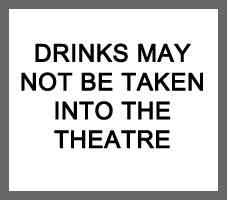
What does this notice mean? [a, b, c]
a.You can buy a drink after the show.
b.You should finish your drink before entering.
c.You cannot buy a drink inside the theatre.
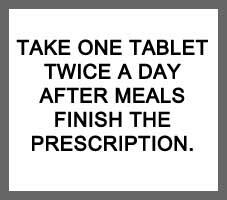
What does this notice mean? [a, b, c]
a.Take the tablets regularly until the bottle is empty.
b.Take one tablet every day until they are finished.
c.Take two tablets a day until you feel better.

What does this notice mean? [a, b, c]
a.This store will accept all offers on its goods.
b.We can discuss the price of anything here.
c.This store will buy anything for sale.
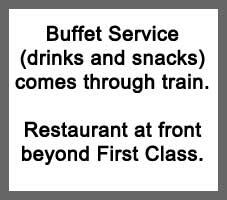
What does this notice mean? [a, b, c]
a.Full meals are available anywhere on the train.
b.Full meals are available at the front of the train.
c.Full meals are available at the back of the train.

What does this notice mean? [a, b, c]
a.The hire charge covers all the costs including fuel and insurance.
b.The hire charge covers all the cost apart from fuel.
c.The hire charge covers all the costs except insurance.
Запитання №4 Із заповненням пропусків у тексті
Запитання №5 На встановлення відповідності
Запитання №6 На встановлення відповідності
Запитання №7 Із заповненням пропусків у тексті
Запитання №8 Із заповненням пропусків у тексті
Запитання №9 З вибором правильної відповіді у тексті
Запитання №10 Із заповненням пропусків у тексті
Запитання №11 З вибором правильної відповіді у тексті
Запитання №12 З вибором правильної відповіді у тексті
Запитання №13 З вибором правильної відповіді у тексті
Рефлексія від 0 учнів
Сподобався:
0
Так: 0
Ні: 0
Зрозумілий:
0
Так: 0
Ні: 0
Потрібні роз'яснення:
0
Ні: 0
Так: 0