- Всеосвіта›
- Бібліотека тестів›
- Англійська мова›
- HS 2 (2019) Unit2 act5 p28

Тест:
HS 2 (2019) Unit2 act5 p28

10.10.2021


Вміст тесту:
1
2
3
4
5
6
7
8
9
1
12 з 108 балів
Read the definitions and type a correct word for each of them (put articles where necessary):
1.Going to a place and back which is not made regularly but on a definite purpose
2.A journey by sea or along the river or in space, often used in British English
3.Moving from place to place especially in foreign and distant places in general meaning
4.A journey with short stops at different places, where the traveller returns to the place from which he started
5.A journey by sea or along the river, often used in American English
6.A travel from one place to another mainly by land
7.An organisation that arranges tours for travellers
8.A person who shows different sights in the city and tells about them
9.Travelling of artists when they stop at different cities with concerts
10.A person who arranges a tour for a traveller
11.When a traveller travels around the city on foot
12.When you travel to some place on the purpose to attend a marriage celebration
2
12 з 108 балів
Fill in the gaps with the correct preposition, if no preposition is needed put -
1.to go__ a journey;
2.to arrive __ London;
3.to set out __ ;
4.to travel__ Spain;
5.to make a tour __ the city;
6.to set __ for;
7.to arrive __ the station;
8.to go __ Kyiv;
9.to see smb __ at the station;
10.to take__ (about plane);
11.to meet smb __ at the station;
12.to catch __ a train;
13.to walk __ the street;
14.travelling __ air;
15.to travel __ /around.
3
12 з 108 балів
Translate into English, don't forget about articles:
1.Екскурсовод
2.Ознайоилювальна поїздка
3.Круїзне судно
4.Космічна подорож
5.Круїзний лайнер
6.Одноденна поїздка
7.Турпутівка, яка включає в себе проїзд, проживання, харчування
8.Подорожувати без великого багажу
9.Відрядження, поїздка по роботі
10.Тур типу "все включено"
11.Кругосвітне плавання
12.Приготування до подорожі
4
12 з 108 балів
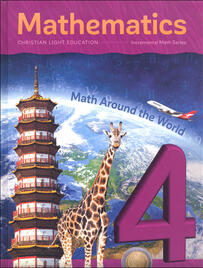
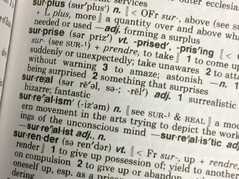
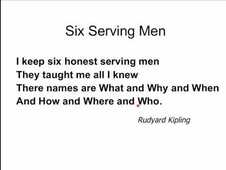
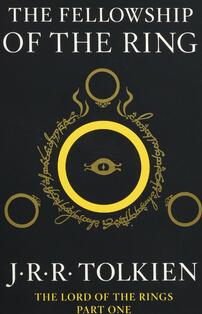
Match the pictures with the correct word:
1

А
an article
2

Б
a cookery book
3

В
an autobiography
4

Г
a magazine
5
Ґ
a newspaper
6

Д
a paperback
7
Е
an atlas
8
Є
a hardcover
9
Ж
a biography
10
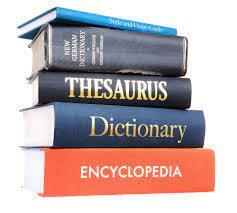
З
a textbook
11
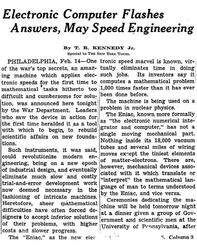
И
an encyclopedia
12

І
a dictionary
13
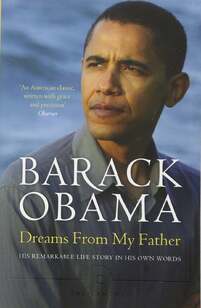
К
a poem
14
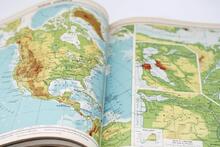
Л
a novel
15

М
a fairytale
16
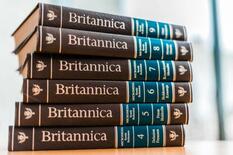
Н
a reference book
5
12 з 108 балів
Match sentences with the functions of the modal verbs used in these sentences.
1
You will bring me my book tomorrow.
А
Choice
2
Shall we go to the concert?
Б
Strong advice
3
He shall be punished for his behaviour.
В
Command
4
I will enter this great university.
Г
Determination
5
Will you help me with the composition?
Ґ
Suggestion
6
I will go to the seaside.
Д
Supposition bordering on assurance
7
You needn't go to the supermarket, I've already bought the products.
Е
Surprise
8
Liz has to write the report, because she wants to get that job.
Є
Prohibition
9
You must go to that wonderful park.
Ж
Threat/warning
10
Pupils mustn't be late for the lessons.
З
Absence of necessity
11
She must be still at home.
И
Reproach
12
You could have warned me about the traffic jam.
І
Polite request
13
You can't have left the city so quickly!
К
Necessity due to the circumstances
14
Could he have passed the exam with an excellent mark?
Л
Strong doubt
6
12 з 108 балів
Open the brackets and put the verbs into the correct form:
1. I(to be) very happy when I (to see) him yesterday.
2. She (to hope) now that the weather (to be) fine tomorrow.
3. The ship (to be) in the open sea when the storm (to break) out.
4. Last week he (to find) a kitten in the street. He (to see) that it (to be) very hungry.
5. My uncle, who (to live) in the USA now, (to offer) me to pay for my studying.
6. This time next week I (to rest) on a beach.
7. Sam (never/to think) to go to medical school.
8. When Sally (to get) to the station last week, she (to realize) that she (to be) too late. The train (already/to leave).
9. As a rule she (to run) in the park every day.
10. Look! He (to try) to find his watch. He (to lose) it.
11. Mother (just/to make) some sandwiches.
12. Two days ago Sam (to write) her a letter and (to send) at once.
13. (You\ever\to be) to the Cayman Isles?
14. Don't tease the dog! It (to bite) you.
16. His grandparents (just/to return) from the USA.
17. I (not to know) where my sister (to be) now. Maybe she (to sit) in the garden.
7
12 з 108 балів
Choose the correct variant:
1. You can get over diseases … [a, b, c, d] the common cold without taking any medicine.
a) both
b) such as
c) what is more
d) since
2. It is hard to get a good job … [a, b, c, d] you speak a second foreign language fluently … English.
a) otherwise / except
b) apart from / besides
c) unless / as well as
d) as soon as / such as
3. The car looked all right … [a, b, c, d] a few unimportant scratches.
a) unless
b) apart / from
c) like
d) as
4. Can you wash the dishes … [a, b, c, d] I am doing the ironing?
a) besides
b) whereas
c) all in all
d) while
5. It was snowing heavily, … [a, b, c, d]we decided to cancel the trip.
a) since
b) so
c) while
d) if
6. Look at that giant man. Have you ever seen a … [a, b, c, d]one?
a) taller
b) tallest
c) huge
d) smaller
7. I am … [a, b, c, d] today means I didn't come on time.
a) punctual
b) high time
c) late
d) hurry
8. He is a(n) … [a, b, c, d]friend of mine. I am very happy to see him again.
a) brand-new
b) old
c) long time
d) ancestor
9. He is … [a, b, c, d] interested in what we are talking about. He may be a spy of the other team.
a) partly
b) ignoringly
c) unentirely
d) very much
10. Firstly macaroni is put into the … [a, b, c, d]water and then fried in a pan.
a) boiled
b) boiling
c) having boiled
d) boils
11. Neither of the workers was happy with the new legislation … [a, b, c, d] ?
a) were they
b) weren’t they
c) did they
d) didn’t they
12. Tom, the Browns' only son, died in a terrible accident last year. Before that event, however, the family used to be very cheerful people, … [a, b, c, d]?
a) weren’t they
b) wasn’t it
c) didn’t they
d) didn’t he
13. That is very important for him, … [a, b, c, d] ?
a) isn’t that
b) isn’t it
c) is that
d) is it
14. Everybody should visit Goreme, … [a, b, c, d]?
a) shouldn’t we
b) should we
c) should they
d) shouldn’t they
15. Tomorrow instead of going to Madrid with my boss I am going to London, … [a, b, c, d]? So, is everything arranged properly there?
a) aren’t I
b) am n’t I
c) am I
d) don’t I
16. A student may want to know how many stages insects … [a, b, c, d]before they become butterflies.
a) go through
b) made up of
c) put through
d) turn down
17. If you … [a, b, c, d]yourself there is nothing in which you cannot succeed.
a) trust off
b) bring in
c) believe in
d) get along with
18. I think he will not be able to … [a, b, c, d] this difficult schedule.
a) look forward to
b) break through
c) keep on
d) keep up with
19. Because of storm and the heavy rain the flight was … [a, b, c, d] .
a) carried out
b) called off
c) checked out
d) carried on
20. This encouraging explanation has given him the will to … [a, b, c, d]with his duties with great deal of enthusiasm.
a) carry on
b) call up
c) call down
d) catch up with
21. I can't … [a, b, c, d] anyone for the broken window. I shouldn't have left it open.
a) have blame
b) being blamed
c) blame
d) blamed
22. She was … [a, b, c, d] to see the guests leaving after she had rushed to meet them.
a) delighted
b) upset
c) puzzled
d) interested
23. He couldn't … [a, b, c, d]the event when a photo of it was shown to him.
a) delete
b) confirm
c) oppose
d) deny
24. She … [a, b, c, d] not to leave the house before I come back.
a) promised
b) had promised
c) has promised
d) were promised
25. The authorities … [a, b, c, d] the economic loss caused by the rain more than one million dollars.
a) warn
b) assist
c) predict
d) prefer
26. If you continue to practice so hard, you … [a, b, c, d] beat me before too long!
a) will be able to
b) could
c) must
d) should
27. The secretary … the reports before they … to the vice-manager [a, b, c, d].
a) must have typed / are sent
b) was to type / have been sent
c) had to type / were sent
d) should have typed / will be sent
28. You … [a, b, c, d]your car in front of the garage entrance any time.
a) are not to be parking
b) can’t park
c) need not park
d) mustn’t have parked
29. Tom is not here. He … [a, b, c, d] be working in the garden.
a) may as well
b) should
c) has to
d) must
30. A thesis statement … express an opinion; it … express a fact. [a, b, c, d]
a) should / won’t
b) must / doesn’t have to
c) need to / needn’t
d) may / couldn’t
31. The last time we discussed the matter was … [a, b, c, d] the 13th of May last year.
a) at
b) in
c) on
d) for
32. When I arrived … the airport it was late so I decided to stay … a hotel. [a, b, c, d]
a) in / on
b) at / at
c) in / in
d) to / at
33. It was so cold that I decided to wear a thick sweater … [a, b, c, d] my coat.
a) under
b) below
c) inside
d) around
34. I am very glad to be … [a, b, c, d] my close friends again.
a) between
b) both
c) each
d) among
35. When I was a small boy … Kansas the Sunday- school picnic was one of the major events … the calendar. [a, b, c, d]
a) for / in
b) in / on
c) at / at
d) around / in
36. When she … home last night, she realized that John … a beautiful candle-lit dinner for her. [a, b, c, d]
a) arrived / was preparing
b) arrived / had prepared
c) arrived / has prepared
d) was arriving / had prepared
37. The average surface temperature of earth … more than 1 degree Fahrenheit since 1900. [a, b, c, d]
a) has increased
b) is going to increase
c) had increased
d) is increasing
38. It seems that somebody … to my father before the meeting, complaining that I … late for school four times last week. [a, b, c, d]
a) had written / was
b) has written / have been
c) writes / was
d) would write / was being
39. By this time tomorrow, Annie … [a, b, c, d] through space for nineteen hours.
a) will be flying
b) is going to fly
c) will have been flying
d) flies
40. When the article arrived, the editor … the first sentence and then … to publish it. [a, b, c, d]
a) had read / refused
b) was reading / refused
c) read / refused
d) read / had refused
41. More than 440.000 residential construction jobs … [a, b, c, d] in the current housing downturn in the past month alone.
a) have been lost
b) were lost
c) have lost
d) are lost
42. The hotel, which … only last year, … with a solarium and sauna. [a, b, c, d]
a) has been completed / will be equipped
b) completed / was equipped
c) had completed / was equipped
d) was completed / is equipped
43. Further research … before we know if mushroom extracts … to treat cancer patients. [a, b, c, d]
a) could be needed / were used
b) will be needed / can be used
c) might need / could be used
d) are needed / may be used
44. He used his ability to make people … that he … future events. [a, b, c, d]
a) believe / may predict
b) believing / should predict
c) believe / could predict
d) to believe / might predict
45. All of the passports … [a, b, c, d] to employees by 1 May 2025.
a) will be returned
b) will be returning
c) will have returned
d) will return
8
12 з 108 балів
Read the text below. For questions (1-5) choose the correct answer (A, B, C or D).
Nine-one-one is a three-digit telephone number that provides the American public with access to an emergency answering center. It is the number that has been designated for reporting an emergency and requesting assistance in any community in the United States. Ideally, nearly every American citizen and visitor who has access to a telephone could summon aid by dialing this simple three-digit number, regardless of location, time of day, or type of emergency.
The philosophy has been to make the number available to any community or municipality electing to install 911 and for any emergency service or services that community wishes to include in its system. It is hoped, that the value and benefits of a single emergency telephone number will receive sufficient recognition across the country to bring about the nationwide implementation of 911 within a few years.
The concept of a common emergency telephone number had been discussed in this country for some time before the first system became operational in 1968. Similar systems have been in service nationwide in several European countries for many years. Great Britain was the first country to establish a universal emergency number in 1937. Several of these systems are directed primarily toward the provision of emergency medical services, though the selection of the agency to act as the answering centre may differ from country to country.
1. When was the first emergency phone number created in America? [A, B, C, D]
A In the late 1930s
B In the late 1940s.
C In the late 1950s.
D In the late 1960s.
2. The author implies that emergency numbers [A, B, C, D]
A can be dialed twenty-four hours a day.
B are available in large cities only.
C consist of two digits in some countries,
D can be used only by the US citizens.
3. What is one drawback to the emergency telephone number system? [A, B, C, D]
A It is not a direct call for help.
B It is staffed by untrained people.
C It is not available on holidays.
D It is not available for visitors.
4 In the U.S. the emergency phone number will be available [A, B, C, D]
A to states that buy the service.
B on a community-by-community basis.
C to residents on an individual basis.
D to individuals who decide to install it.
5. We can conclude that the emergency phone number [A, B, C, D]
A has been many years in the planning stages.
B will never be successful in rural communities.
C will soon be available in Asian countries.
D will be available in large cities only.
Read the texts below. Match choices (A-H) to (1-5). There are three choices you do not need to use.
1. [A, B, C, D, E, F, G, H]Ask your parents tor permission to have a party. Decide whether it will be held indoors or outdoors. Send written invitations to your friends. Tell them what kind of party you are having, at what time, where, and whether or not the guests should wear costumes. Make a list of games you would like to play. Ask your mother to help you prepare refreshments.
2. [A, B, C, D, E, F, G, H]This activity makes everybody laugh. Have the guests sit around the room. Choose one person to be a pussycat. It must go over to a guest and do his/her best to make the guest laugh. He/she can pussycat make funny meows and walk around like a cat. The pussycat goes from one guest to another until someone laughs. The first one to laugh becomes the new pussycat.
3. [A, B, C, D, E, F, G, H]It’s easy to make a cake from a cake mix that you get from the grocery store. When you make a cake from a mix, always follow the directions on the package carefully. Then you can be sure that your cake will turn out right and your guests will enjoy it.
4. [A, B, C, D, E, F, G, H]As you ride on a bus with your friends, get someone to start singing. Everyone joins in. At the first crossroad, another person starts a different song, and everyone joins in. Keep changing songs at every crossroad.
5. [A, B, C, D, E, F, G, H]Looking after cats is easy. They wash themselves every day and eat almost any food. Cats like to drink milk and cream. But they need to be fed fish, beef, liver, and other kinds of meat. They need a clean, dry bed at night. You can use a basket or a cardboard box for your cat's bed. Cats like to play with a rubber ball or chase a string.
A Party Dessert
B Outdoor Game
C Taking Care of a Pet
D Collecting Things
E Giving a Party
F Party Animals
G Fun on the Way
H Party Game
Read the texts below. Match choices (A-H) to (1-6). There are two choices you do not need to use
1. [A, B, C, D, E, F, G, H]The famous Black Forest and the picturesque town of Baden Baden are in southwestern Germany. The town is surrounded by tall mountains. There are plenty of interesting places to visit including the town's delightful 15th-century palace and Roman baths.
2. [A, B, C, D, E, F, G, H]San Diego in California is a city of sun, sand, sea and all kinds of watersports. You can also visit the San Diego Zoo which is one of the world's largest zoos.
3. [A, B, C, D, E, F, G, H]Madrid is a fabulous place tor a holiday The weather is mostly sunny in summer. There are a lot of sights here. You can visit the Prado Museum, the Plaza Monumental, a huge stadium where bullfights take place, and try paella at on open-air restaurant.
4. [A, B, C, D, E, F, G, H] Hawaii is a paradise! Enjoy golden beaches with green palm trees and watch amazing red sunsets, you can also see colourful fish at Sea Life Park and enjoy traditional Polinesian dances at lovely clubs and bars in the evenings.
5. [A, B, C, D, E, F, G, H] Los Angeles is very exciting and has some very famous attractions. The nearby beaches are long and sandy and there are high mountains outside the city. You can also visit Hollywood and see the houses of some famous film stars.
6. [A, B, C, D, E, F, G, H]San Francisco, Northern California, is famous for its cable cars – and it certainly needs them because San Francisco is very hilly and has some very steep roads. You can enjoy watching the street actors and musicians while eating delicious fresh fish at numerous fish restaurants.
Where can tourists______?
A watch street actors and musicians
B see the houses of some famous film stars
C watch bullfights
D visit Roman baths
E do all kinds of water sports
F enjoy a cup of exotic coffee
G buy cheaper things
H see national dances
9
12 з 108 балів
Listening
Questions 1-7. For each question choose the correct answer A, B or C.
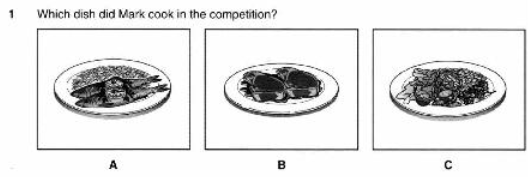 [a, b, c]
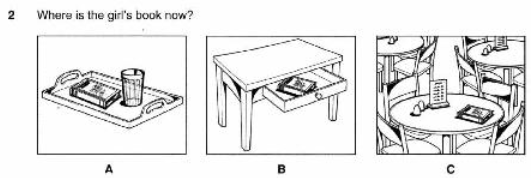 [a, b, c]
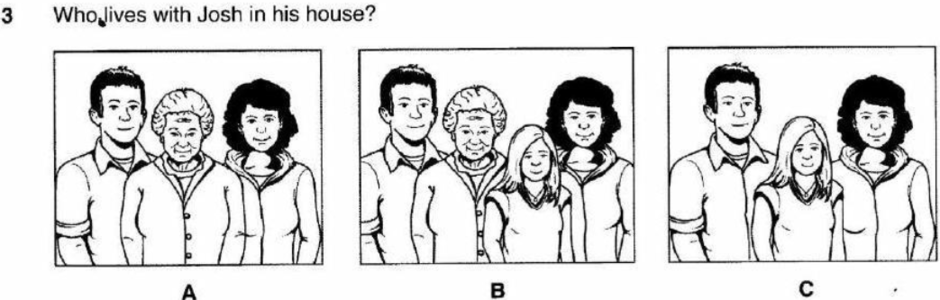 [a, b, c]
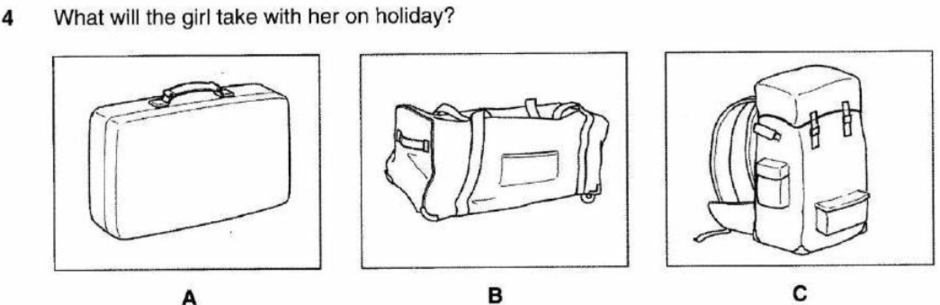 [a, b, c]
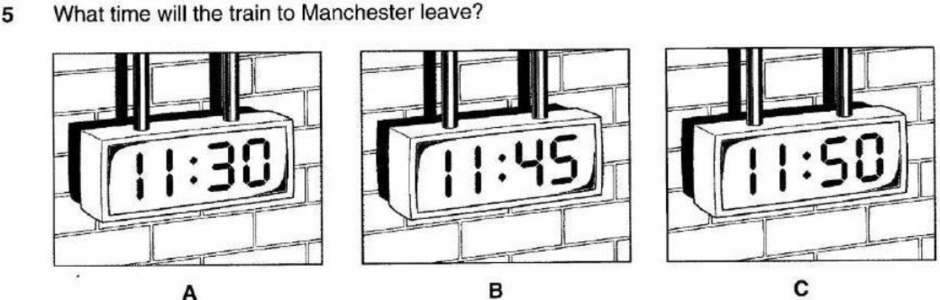 [a, b, c]
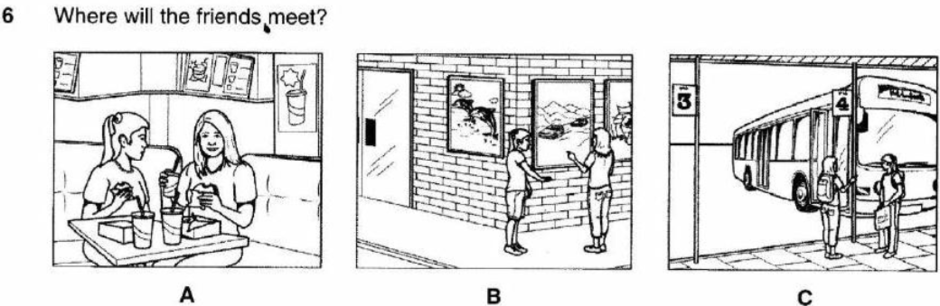 [a, b, c]
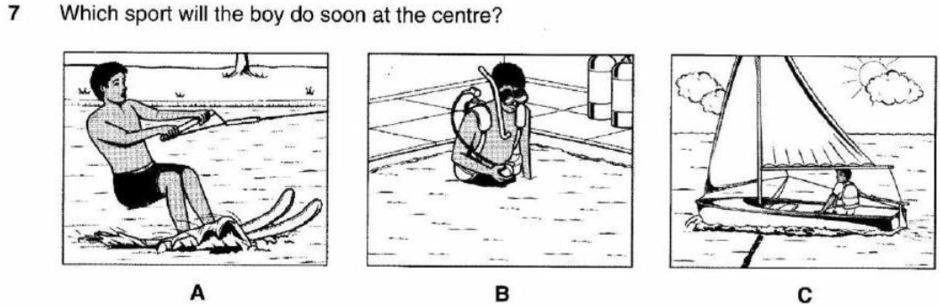 [a, b, c]
Questions 8-13
You will hear an interview with a singer called Nick Parker who plays in a band called Krispy with his sister Mel.
For each question, choose the correct answer A, B or C
 [a, b, c]
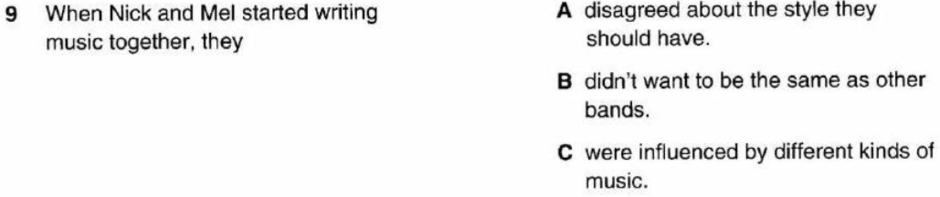 [a, b, c]
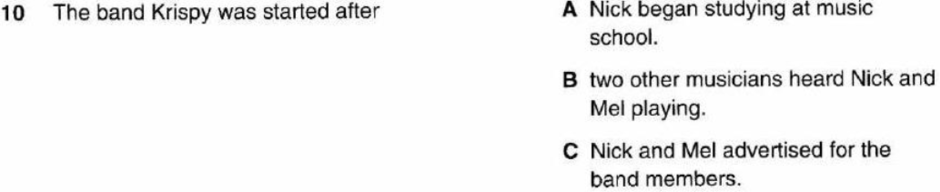 [a, b, c]
 [a, b, c]
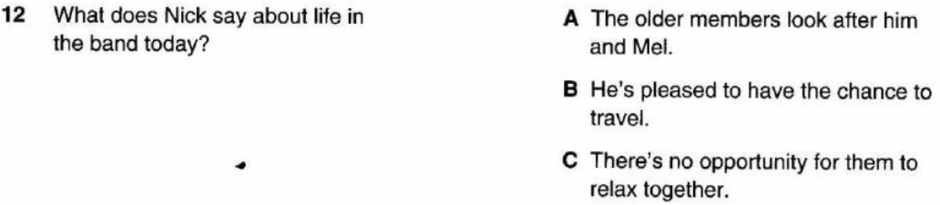 [a, b, c]
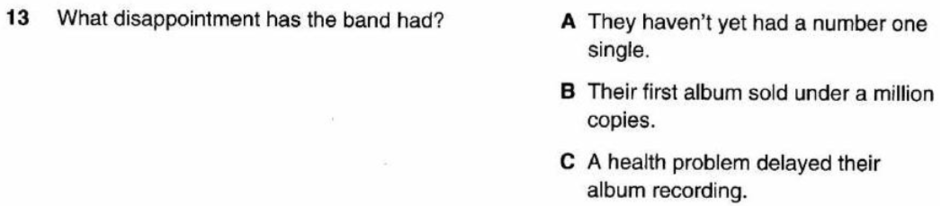 [a, b, c]
Questions 14-19
You will hear a boy called Thomas and a girl called Ruby talking about a poster for their school sports day.
Look at the six sentences for this part. Decide if each sentence is correct (T) or incorrect (F).
14.Ruby realises that the first design of the poster may need improving. [T, F]
15.Thomas thinks the poster should be bigger than last year's. [T, F]
16.Ruby and Thomas agree that the poster should be in colour. [T, F]
17. Ruby thinks the photograph should be in the middle of the poster. [T, F]
18.Thomas suggests they use the same photograph as last year. [T, F]
19.Ruby thinks every word on the poster should be the same size. [T, F]
Рефлексія від 18 учнів
Сподобався:
0
Так: 16
Ні: 2
Зрозумілий:
0
Так: 12
Ні: 6
Потрібні роз'яснення:
0
Ні: 13
Так: 5