- Всеосвіта›
- Бібліотека тестів›
- Англійська мова›
- 3В Lesson 12

Тест:
3В Lesson 12

21.04.2023

Вміст тесту:
1
2
3
4
5
6
7
8
9
10
11
12
13
14
15
Тест містить питання скопійовані з: K3 12.
1
12 з 170 балів
Match the word with its translation.
Word
Translation
1
tidy
А
відро
2
untidy
Б
швабра
3
to tidy up
В
віник
4
to sweep the floor
Г
неохайний
5
to air the room
Ґ
охайний
6
to water the plants
Д
витирати пил з меблів
7
to dust the furniture
Е
підмітати підлогу
8
a broom
Є
поливати рослини
9
a mop
Ж
провітрювати кімнату
10
a bucket
З
прибирати
2
12 з 170 балів
Fill in the missing letter. (Вставте пропущену літеру)
1. the E… rth
2. Green… ich Park
3. the Ro… al Observat… ry
4. a time z… ne
5. a c… untry
6. a ni… ht
7. … nother
8. diff… rent
9. to l… arn
10. a min… te
3
12 з 170 балів
Match the word with the picture.
Word
Picture
1
a sundial
А
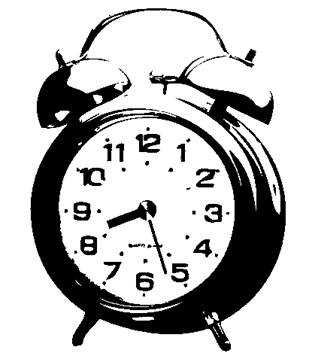
2
a cuckoo clock
Б
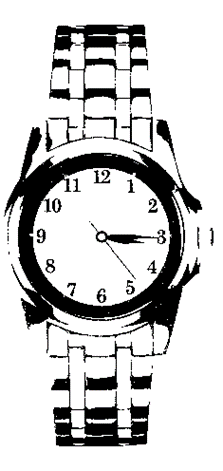
3
a mechanical clock
В
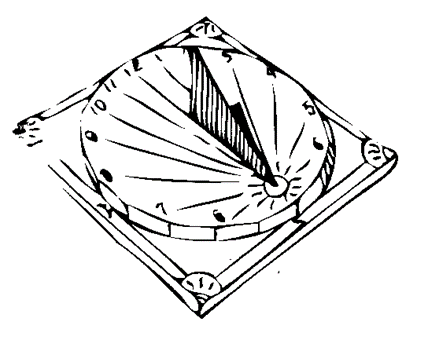
4
a grandfather clock
Г
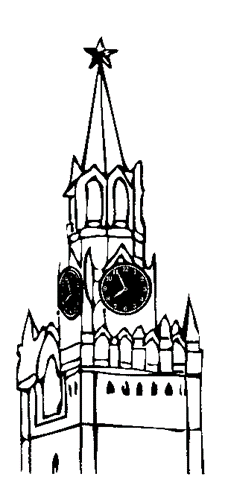
5
a sand-glass
Ґ
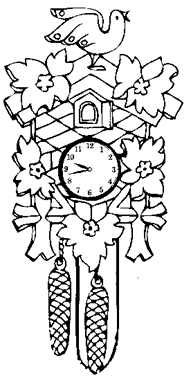
6
an alarm clock
Д
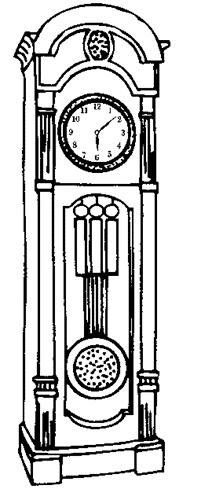
7
a tower clock
Е
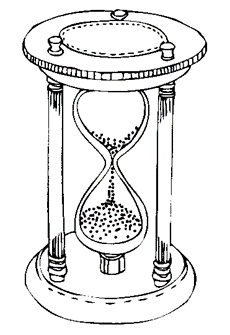
4
12 з 170 балів
Correct the mistakes.
1. an our
2. a minete
3. a quoter
4. a haf
5. to shou
6. erly
7. lait
8. shap
9. to be late to
10. oll
5
12 з 170 балів
Mark all words of gratitude (слова вдячності).
6
12 з 170 балів
Choose the correct variant.
1. Sam ... [can, must] speak French.
2. You ... [can, must] do all exercises.
3. Her grandmother ... [can, must] cook a very tasty pie.
4. Pupils ... [can’t, mustn’t] be late for school.
5. I ... [can’t, mustn’t] play football.
6. ... [Can, Must] Tom give me his phone?
7. Children ... [can, must] help their parents.
8. She ... [can, must] wash up after supper.
9. How ... [can, must] you drink much coffee?
10. People ... [can, must] air the room every day.
11. He ... [can, must] jump very high.
12. He ... [can’t, mustn’t] put his toys into the fridge.
7
12 з 170 балів
Choose the correct variant of translation (Оберіть правильний варіант перекладу).
1. Ганна повинна витерти пил з меблів. [a, b, c]
a. Ann must to dust the furniture.
b. Ann must dust the furniture.
c. Ann can dust the furniture.
2. Джек вміє розмовляти англійською? [a, b, c]
a. Can Jack speak English?
b. Jack can speak English?
c. Can Jack to speak English?
3. Джил не повинна запізнюватись на заняття. [a, b, c]
a. Jill not must be late for the lessons.
b. Jill must be not late for the lessons.
c. Jill must not be late for the lessons.
4. Моя мама вміє готувати дуже смачні вареники. [a, b, c]
a. My mother must cook very tasty varenyky.
b. My mother can cook very tasty varenyky.
c. My mother can to cook very tasty varenyky.
5. Нен повинна розчісувати своє волосся кожного дня. [a, b, c]
a. Nan can brush her hair every day.
b. Nan must to brush her hair every day.
c. Nan must brush her hair every day.
6. Його маленький братик вміє бігати дуже швидко. [a, b, c]
a. His little brother can run very fast.
b. His little brother can to run very fast.
c. His little brother must run very fast.
7. Ти можеш піти зі мною до магазину у суботу? [a, b, c]
a. Can you go to the shop with me on Saturday?
b. Can you to go to the shop with me on Saturday?
c. You can go to the shop with me on Saturday?
8. Наш вчитель може писати на дошці дуже швидко. [a, b, c]
a. Our teacher must write on the blackboard very quickly.
b. Our teacher can write on the blackboard very quickly.
c. Our teacher can to write on the blackboard very quickly.
9. Її сестра не вміє рахувати від 1 до 90, тому що вона маленька. [a, b, c]
a. Her sister can not to count from 1 to 90, because she is little.
b. Her sister not can count from 1 to 90, because she is little.
c. Her sister can not count from 1 to 90, because she is little.
10. Як ти можеш їсти багато цукерок? [a, b, c]
a. How can you eat many candies?
b. How you can eat many candies?
c. How must you eat many candies?
11. Кітті вміє кататися на скутері дуже добре. [a, b, c]
a. Kitty must ride a scooter very well.
b. Kitty can ride a scooter very well.
c. Kitty can to ride a scooter very well.
12. Ти не повинен бути галасливим на уроці. [a, b, c]
a. You must be not noisy at the lesson.
b. You not must be noisy at the lesson.
c. You must not be noisy at the lesson.
8
12 з 170 балів
Choose the correct variant.
1. Mag ... [dance, dances, is dancing] in the living room at the moment.
2. Sam usually ... [paint, paints, is painting] very nice pictures.
3. I often ... [ride, rides, am riding] a bike in the yard.
4. Our parents ... [cook, cooks, are cooking] supper in the kitchen now.
5. These pupils ... [don't have, doesn't have, aren't having] English lessons every day.
6. My friends ... [don't watch TV, doesn't watch TV, aren't watching TV] now.
7. ... [Do you study, Does you study, Are you studying] German at school?
8. ... [Do he take, Does he take, Is he taking] a shower at the moment?
9. Listen! The girls ... [sing, sings, are singing] very well.
10. Every summer her parents and she ... [go, goes, are going] to Kyiv.
11. Which of your relatives ... [takes, does take, is taking] a dog for a walk in the evening?
12. Who ... [speaks, does speak, is speaking] with friends at the moment?
9
12 з 170 балів
Open the brackets and put the verb into the correct form. (Відкрийте дужки і поставте дієслова в правильну форму)
1. She … (to air) the room every day.
2. He … (to water) the plants at the moment.
3. His mother … (not to sweep) the floor in the morning and in the evening.
4. My relatives … (not to mop) the floor every week.
5. Willy … (not to clean) the flat now.
6. Her cousins … (not to cook) dinner at the moment.
7. … your father usually … (to wash up) after breakfast? – No, he … .
8. … their friends … (to feed) their dog now? – Yes, they … .
9. Where … you often … (to go) for a walk?
10. Where … she … (to go) now?
11. Who always … (to help) your mother about the house?
12. Which of your friends … (to speak) on the phone now?
10
12 з 170 балів
Translate the words in brackets.
1. There are many pupils in ... (двадцять сьомій) classroom.
2. The boy at ... (першому) window is very funny.
3. Ann sits at ... (третьою) desk.
4. ... (тридцять восьма) book on this shelf is very good.
5. There aren't any oranges in ... (дванадцятій) box.
6. The toys on ... (дев'ятій) shelf are bad.
7. What kind of tables are there in ... (сороковому) office?
8. ... (друге) cake is very tasty.
9. ... (шостий) clock shows a quarter to five.
10. How many dishes are there on ... (двадцять п'ятим) table?
11. The flowers in ... (сімнадцятій) vase are red and pink.
12. There are many fruit on ... (тридцятому) tree.
11
12 з 170 балів
Choose the correct variant.
1. I want to sweep the floor, give me, please, the … [broom, mop, bucket] .
2. His trousers are very dirty, he is … [different, tidy, untidy] .
3. My sister doesn’t like … [to sweep, to dust, to air] the furniture.
4. His mother often … [sweeps, dusts, waters] the plants.
5. You must … [air, dust, water] the room every day.
6. … [I’m sorry, Excuse me, Thank you], what’s the time by your watch?
7. … [I’m sorry, Excuse me, Thank you], I’m late for the lesson.
8. – Can you tell me the time? – It’s nine o’clock sharp. – … [I’m sorry, Excuse me, Thank you] . – That’s all right.
9. – Please, tell me the time. – It’s a quarter to three. – Thanks. – … [You are welcome, Excuse me, I’m sorry] .
10. There are many apples on … [four, the four, the fourth] tree.
11. … [The five, The fiveth, The fifth] child in the yard is very noisy.
12. … [The twenty-sixth, The twentieth-six, The twentieth-sixth] pen in this box isn’t good.
13. The lemons on … [the eight, the eighth, the eighth] dish are very sour.
14. What kind of tables are there in … [the two, the twoth, the second] office?
15. How many armchairs are there in … [the nine, the ninth, the nineth] room?
16. The flowers on … [the thirty, thirtieth, the thirtieth] flower bed are red.
17. It’s … [a quarter, the quarter, quarter] to four now.
18. It’s … [a half, the half, half] past three at the moment.
19. I … [am, is, are] late for school.
20. Bob and Ann … [am, is, are] late for the school party.
21. Nick … [am, is, are] late for the first lesson.
22. Children mustn’t … [to be late, be late, are late] for their lessons.
23. What is … [the time, a time, time] now?
24. What … [the time, a time, time] is it now?
25. It’s 11 o’clock p.m. = It’s 11 o’clock … [in the morning, in the afternoon, in the evening] .
12
12 з 170 балів
Read the text and do the tasks.
It is Sunday today. My family and I are at home. And we must tidy up the flat.
We have many things to do. I must sweep the floor and dust the furniture. My sister must water the plants, mop the floor and air the room. My father must do shopping. He must buy bread, butter, milk, meat, fruit and vegetables. My mother must cook dinner and wash up. She wants to cook red borsch and fried chicken. My mother can cook very well. I have got a little brother. He helps our parents, too. He takes our dog for a walk. I don’t like to clean the flat, but I am a good son, so I always help my parents about the house. And I like to eat mother’s tasty dinner, when the flat is tidy.
After cleaning we can go for a walk. We usually go to the park or to the wood. Sometimes we go to the lake. But I can’t swim, so we seldom rest there. I can play football and ride a bike. I often go to the playground with my brother. Our sister likes to stay at home. She usually watches TV or listens to music. Now I must go because I have many duties.
1. Mark if the statements are true or false.
1. It is Saturday today. [True, False]
2. My family and I must clean the flat. [True, False]
3. My father must buy bread, juice and candies. [True, False]
4. My mother wants to cook soup and varenyky for dinner. [True, False]
5. I like to clean the flat. [True, False]
6. After cleaning my family and I can rest. [True, False]
7. We often rest at the lake. [True, False]
8. I can ride a bike, but I can’t swim. [True, False]
9. I often go to the playground with my brother. [True, False]
10. Our sister likes to go with us. [True, False]
13
12 з 170 балів
Match the parts of the sentences.
Part 1
Part 2
1
I must
А
do shopping.
2
My mother must
Б
cook dinner and wash up.
3
My father must
В
sweep the floor and dust the furniture.
4
My sister must
Г
take our dog for a walk.
5
My brother must
Ґ
water the plants, mop the floor and air the room.
14
6 з 170 балів
К3 Урок12
Choose if the statements are true or false (Оберіть, твердження правильні чи неправильні):
People usually wear sweaters, jeans or trousers and vests in spring [True, False]
People go to the parks for a walk in winter. [True, False]
People often wear shorts, skirts, caps and T-shirts in summer. [True, False]
It’s very nice to wear coats, sweaters, trousers, mittens and boots in summer [True, False]
People wear jackets, sweaters, socks, shoes and gloves in autumn. [True, False]
In spring people usually wear boots and coats [True, False]
15
8 з 170 балів
К3 Урок12
Fill in the columns of this table. (Заповніть стовпчики у таблиці)
Season | Clothes | Activities |
Spring | [sweaters, jeans or trousers and vests, shorts, skirts, caps and T-shirts, jackets, sweaters, socks, shoes, coats, sweaters, trousers, mittens] | [to swim in the rivers and lakes, to go to school, to be at home to watch TV or to read, To go to the parks for a walk] |
Summer | [jackets, sweaters, socks, shoes, sweaters, jeans or trousers and vests, coats, sweaters, trousers, mittens, shorts, skirts, caps and T-shirts] | [To go to the parks for a walk, To swim in the rivers and lakes, To be at home to watch TV or to read, To go to school] |
Autumn | [coats, sweaters, trousers, mittens, sweaters, jeans or trousers and vests, jackets, sweaters, socks, shoes, shorts, skirts, caps and T-shirts] | [To go to school, To be at home to watch TV or to read, To swim in the rivers and lakes, To go to the parks for a walk] |
Winter | [coats, sweaters, trousers, mittens, jackets, sweaters, socks, shoes, shorts, skirts, caps and T-shirts, sweaters, jeans or trousers and vests] | [To go to school, To go to the parks for a walk, To be at home to watch TV or to read, To swim in the rivers and lakes] |
Рефлексія від 10 учнів
Сподобався:
0
Так: 9
Ні: 1
Зрозумілий:
0
Так: 8
Ні: 2
Потрібні роз'яснення:
0
Ні: 7
Так: 3