Підручники:
- для 10 класу- Англійська мова, Тернопіль, “Астон”, 2018.
- для 11 класу -Англійська мова, Тернопіль, “Астон”, 2019.
- для 10 класу- Французька мова, Yuriy Klymenko, Київ,. “Генеза”, 2018.
- для 11 класу- Французька мова, Yuriy Klymenko, Київ,. “Генеза”, 2019.
10.03.2020.
14 гр. – англійська мова
Тема : Природа і погода
Підтема : Запобігання природнім стихійним лихам.
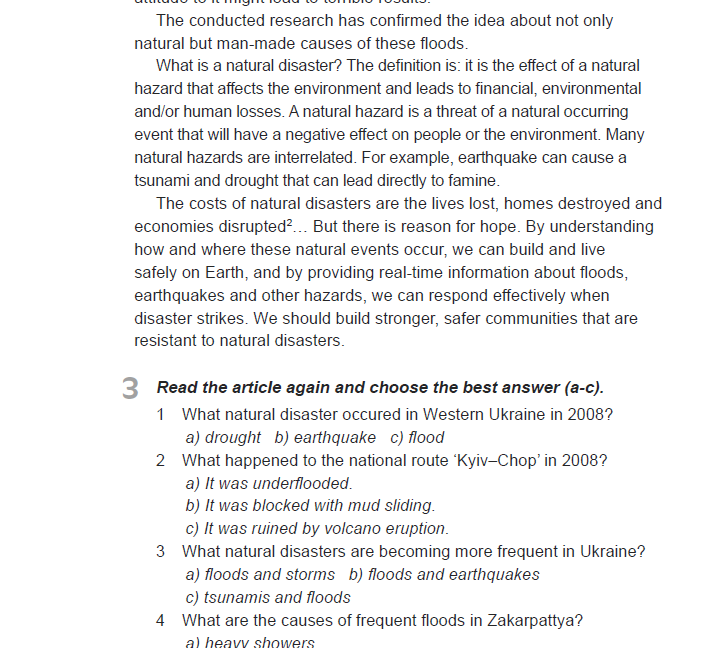
Natural disaster prevention
Підтема : Стихійні лиха в України.
Natural disaster in Ukraine
Вивчити слова.
13.03.2020.
Підтема : Причини стихійного лиха.
Causes natural disаster.
11.03.2020
34 гр.
Тема : Шкільне життя
ПІДТЕМА: Пасивний стан
10.03.2020р.
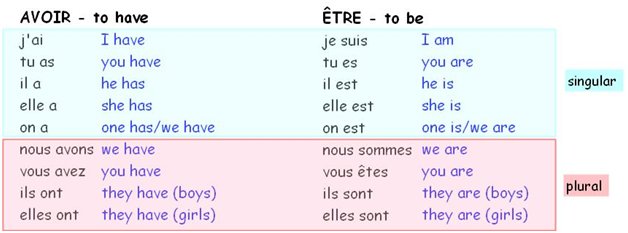
11 12 14 гр. (французька мова)
Тема : Візуальне мистецтво. Теперішній час
Devoir.
12.03.2020р.
11 12 14 гр.
Тема: Мій улюблений митець
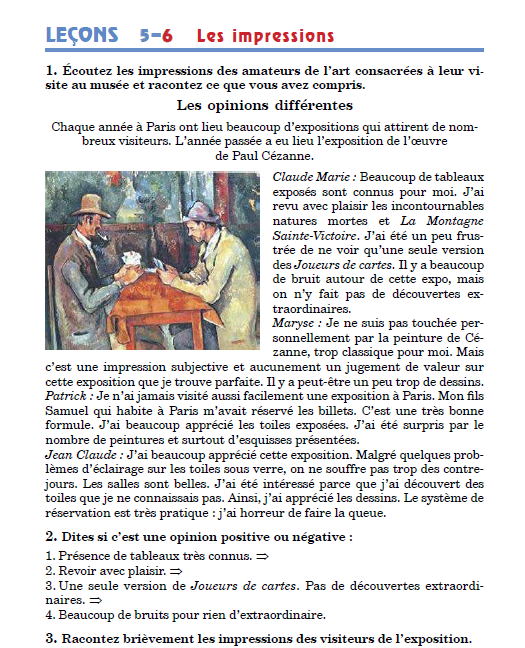
Devoir. Ex.2. Repondez aux qhestions.
13.03.2020р.
11 12 14 гр.
Тема: Молодь та мистецтво.Минулий час.
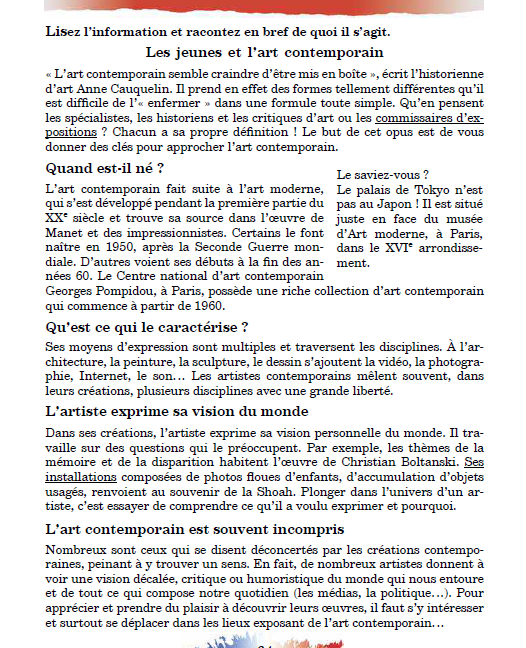
Devoir.
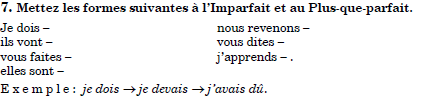
17.03.2020р.
12гр.
Тема: Правила безпеки під час лиха.Розвиток навичок діалогічного мовлення.
31 32гр.
Тема: Мистецтво
Підтема: Видатні митці
Racontez la biographie d’un des savants à votre choix. Dites ce qu’il a fait pour le développement de la science
Georges Charpak - né à Dubrovica,rUcraine le premier aot 1924 issu d’une Iamille juive polonaise , l’arrivée en )rance à l’kge de 7 ans déporté pendant un an au camp de Dachau intégration à l’école des Mines de Paris et le laboratoire de phisque nucléaire de Collège de France en 1948 , nommé directeur de recherche au CNRS en 1959 , travaille sur la physique nucléaire et les particules de haute énergie , 1963, mise au point la chambre proportionnelle multils . Tui permet de reconstituer en temps réel la trajectoire d’une particule élémentaire , lauréat du prix Nobel de phisiqueue en 1992 pour ses travaux sur les particules élémentaires , étudie l’application de ses appareils en biologie et en médecine, auteur de plusieurs ouvrages à destination du grand public, savants ªen 2003, Souyez savants. devenez prophetes l’année suivante , est considéré pour une meilleure connaissance de l’énergie nucléaire , 2007 écrit De Tchernobil en Tchernobil.
Devoir
Repetez les temps du verbes.
14гр.
Тема: Вплив погоди на здоров’я та настрій.
Робота з граматичним матеріалом.
Glossary
weather forecast - прогноз погоди
frost - мороз
windy - вітряний
drizzle - мжичка, дрібний дощ
temperature - температура
north-easterly wind - північно-східний вітер
fog - густий туман молочного кольору
to clear - прояснятися
2) Аудіювання. Listening Script
The Weather Forecast
You`re listening to Weather Action`s seven day forecast. Though there were some fine sunny days last week in many places there was also frost overnight with sleet and snow in parts of northern Britain. Our long-range forecast for this month is that it will be very windy and quite cold at times and it will include wintry spells with more sleet and snow.
As far as next week`s outlook is concerned, southern parts of England and Wales will be cloudy with drizzle in places while the north should be dry, bright and sunny. Temperatures will be above average but light east to north-easterly winds could make North Sea coasts feel rather chilly. Scotland and Northern Ireland will have dry conditions and some sunny spells after early fog clears. Winds will be generally light. However, fresh southerly winds will bring more cloud into the west later.
3) Етап перевірки розуміння тексту. While – listening activity
Listen to the recording and match the following statements “ true “ or “ false “ :
· There were some fine frosty days last week.
· There was also frost with sleet and snow in parts of northern Britain.
· Our forecast for this month is that it will be very windy and quite cold at times.
· Southern parts of England and Wales will be warm and sunny.
· Temperatures will be below average in Wales.
· Scotland will have dry conditions.
Домашнє завдання.
Вивчити нові слова
Тема: Лісові пожежі. Узагальнення матеріалу.
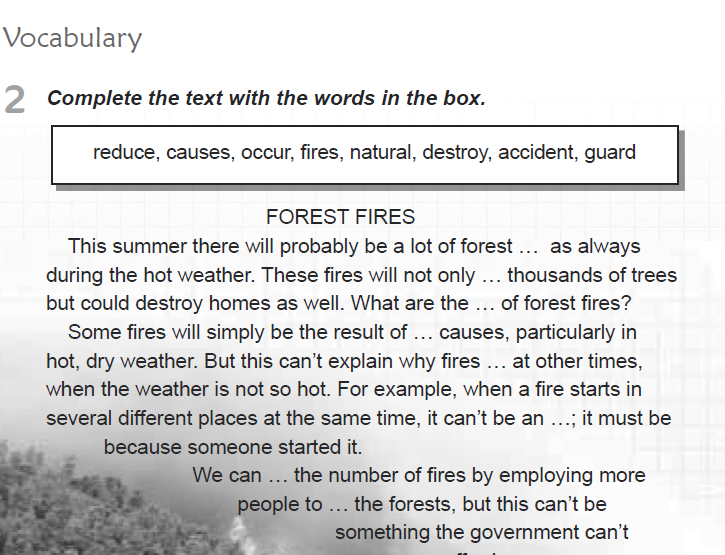
18.03.2020р.
34гр.
Тема: Системема освіти в України
МЕТА:
Розвивати інтелект:
Читати
Аудіювати
Сприйняти
Виховувати почуття власної гідності, співпереживання, бажання спілкуватися
Основні поняття що повинні засвоїти здобувачи освіти на уроці:
Доброзичливість
Чуйність
Повага
Підтримка
Взаєморозуміння
Старанність
Уважність
Aujourd'hui allons lire le texte et faire les exercices.
Читання тексту. Вивчення незнайомих слів.
PARLON DE NOS TEME D’APRES LE PLAN:
Les profesions
Les metiers
L’etape de l’insegnaments
Ecoles professionelle
LE TEXTE
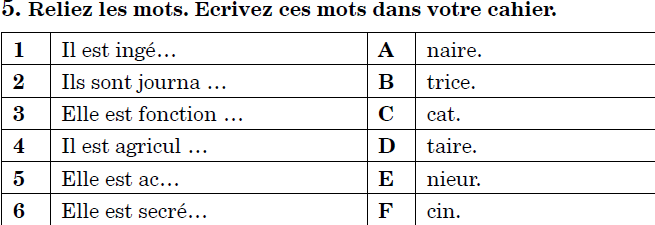
Il y a beaucoup de metier et de profession dans le monde . Parmi eux on peut citer ; agronome, artiste, bettonier, chauffeur, constructeur, electricien , ingenieur, journaliste, mecanicien , musicien, steno-dactylo, telephoniste, tourneur, tractoriste , trayeuse, vendeur, dessinateur ...
Il y a differentes manieres d’apprandre un metier . Ayant termine l’ecole de huit ans , les jeunes entrent dans les ecoles de cours, des ateliers, des bibliotheques. A l’epoque de la revolution scientifique et tehnique, on a besoin d’ouvriers. Ces ecoles forment des ouvriers hautement instruits. On prete une grande attention a la culture et au sport. L’eleve ne paie rien pour apprendre. Beaucoup d’entre eux touchent une bourse !
Apres l’ecole secondaire, on peut entrer a l’institut ou bien a l’universite. Les etudes y 4-5 ans.
ДО ЦЬОГО ТЕКСТУ ДОДАЄМ СВОЇ ПОБАЖАННЯ ЩОДО СВОЄЇ ПРОФЕСІЇ І ПЕРЕВАГИ ЇЇ ЗДОБУТТЯ
Notre cours est termine, regardez et copiez le devoir ;
Ecrire les mots et traduire les fraces
Il y a differentes manieres d’apprandre un metier . Ayant termine l’ecole de huit ans , les jeunes entrent dans les ecoles de cours, des ateliers, des bibliotheques.
Тема: Початкова освіта.
Devoir.
Тема: Вища освіта.
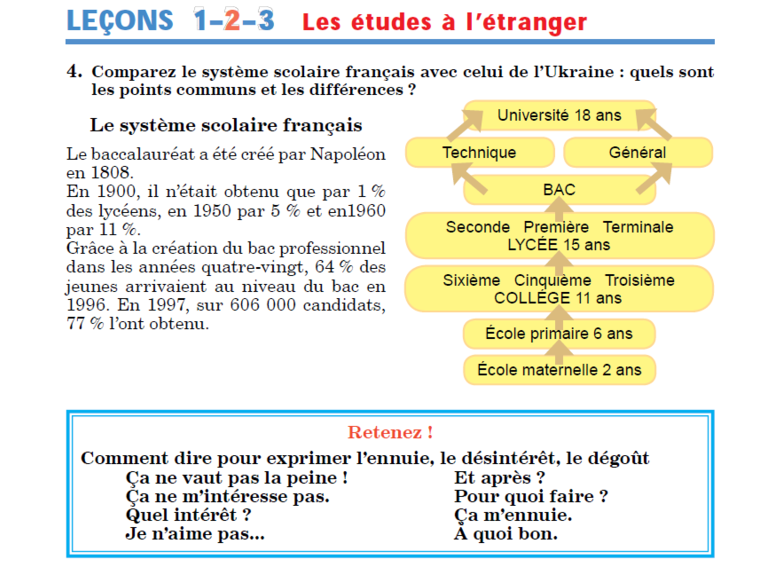
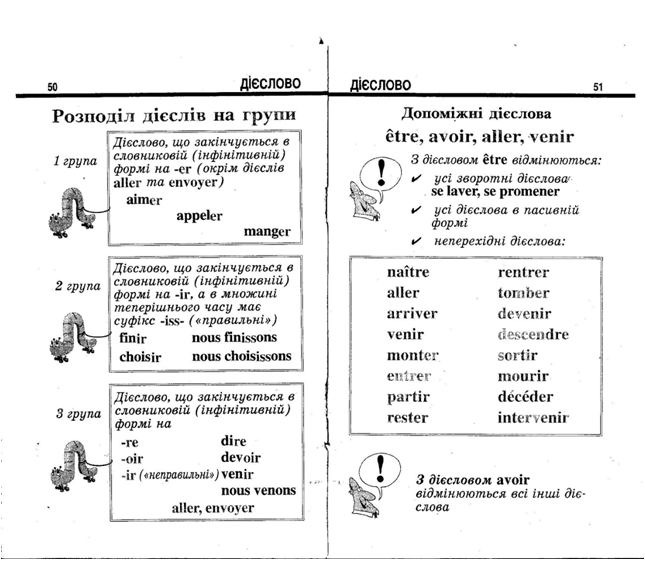
Devoir. Повторити розподіл дієслів на групи.
31 32 гр.
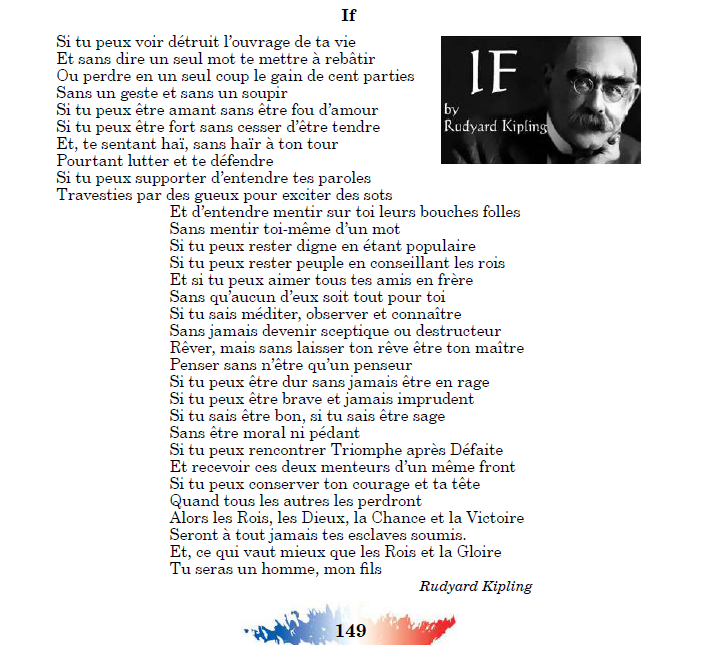
Тема: Видатні митці.
Devoir.

22 23 24 гр.
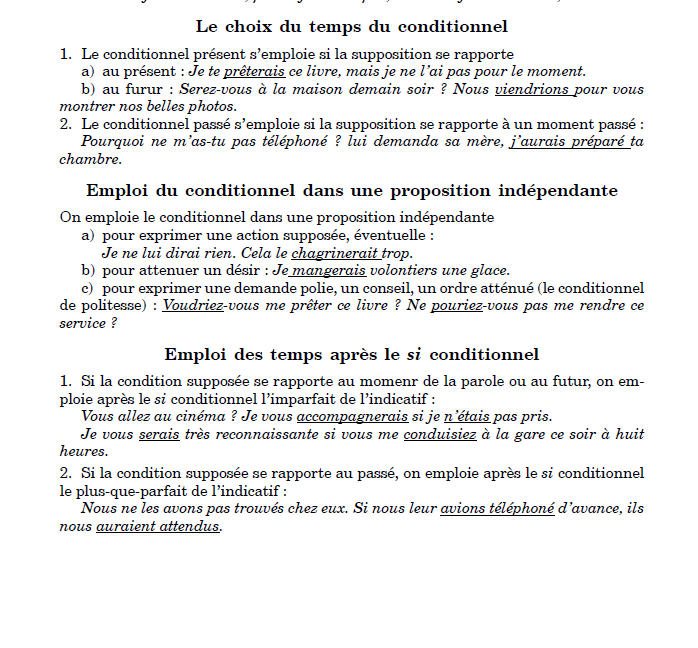
Тема: Умовний спосіб
Категорія способу
Категорія способу є поряд з категоріями особи, числа, часу, стану і способу дії однією з основних дієслівних категорій.
Значення цієї категорії збігається у трьох зазначених мовах, що можна проілюструвати наведенням відповідних визначень:
фр.: «Le mode est la catégorie du verbe qui sert à marquer le rapport de l’action, exprimée par le verbe, à la réalité. Le fait, exprimé par le verbe, peut être présenté comme réel, supposé souhaité etc.» (Е.К. Никольская, Т.Я. Гольденберг).
укр.: “Категорія способу - це граматична категорія, що виражає відношення дії до дійсності, встановлюване тим, хто говорить”
рос.: “Наклонение - это грамматическая категория, обозначающая отношение действия к действительности, устанавливаемое говорящим лицом” (В.В. Виноградов)
З морфологічної точки зору, категорія способу – це система протиставлених один одному рядів форм, що виражають відношення дії до дійсності та мають значення реальності (дійсний спосіб), спонукання (наказовий спосіб), можливості або побажання (умовний спосіб).
Згідно з традиційним поглядом, у французькій мові виділяють чотири способи: indicatif, impératif, conditionnel, subjonctif. У російській мові також чотири – изъявительное, повелительное, условное и сослагательное наклонения. В українській мові найчастіше виділяють три способи дієслова: дійсний, наказовий та умовний. Лише деякі дослідники окремо розглядають бажальний спосіб. Згідно з традиційною точкою зору, його значення включаються в умовний спосіб. Дійсний спосіб є прямим, інші – непрямими.
Дійсний спосіб
Дієслова у дійсному способі виражають реальні дії (теперішній і минулий час), а також ірреальні дії, що не мають модального значення (майбутній час).
Морфологічними показниками дійсного способу є часові форми.
Французька мова характеризується досить розгалуженою системою часових форм у дійсному способі. Більшість дослідників виділяє 10 часів індикативу.
В українській та російській мовах лише три граматичні часи: теперішній, майбутній, минулий.
Особливістю французької мови у порівнянні з українською та російською є те, що окремі часові форми дійсного способу можуть мати модальні значення.
Так, futur simple може виражати наказ, припущення та ствердження у пом’якшеній формі;
іmparfait – вірогідну; можливу, але нереалізовану дію в минулому; бажання з відтінком жалю, пропозицію у пом’якшеній або ввічливій формі;
рlus-que-parfait може виражати припущення або вірогідність дії у минулому, жаль або засудження.
Відповідниками модальних значень французьких часових форм в українській та російській мовах є форми непрямих способів: наказового, умовного та бажального.
Умовний спосіб
Дієслова в умовному способі виражають дію, яка може відбутись лише за певних умов, а також бажану дію або ввічливе прохання.
В українській та російській мовах умовний спосіб утворюється за допомогою часток би, б (бы, б), та дієслівних форм минулого часу дійсного способу. Напр.: Грав би собі в м 'яча – Играл бы себе в мяч.
У французькій мові умовний спосіб (conditionnel) має два граматичні часи: теперішній (conditionnel présent) та минулий (conditionnel passé), які мають свої власні граматичні форми, що не збігаються з відповідними формами дійсного способу.
Напр.: Je partirais aujourd’hui si… Я б поїхав сьогодні, якби… Я бы уехал сегодня, если бы…
Je serais parti hier si… Я б поїхав вчора, якби… Я бы уехал вчера, если бы…
Умовний спосіб дієслів вживається у складнопідрядних реченнях з підрядним умови.
Для української і російської мов властиве вживання умовного способу як у головній, так і підрядній частинах складного речення, тоді як у французькій мові conditionnel вживається лише у головному реченні.
Пор.: S'il ne pleuvait pas j'irais voir mon ami. – Якби не було дощу, я б пішов провідати мого товариша. – Если бы не было дождя, я бы пошел навестить моего друга.
У простих реченнях дієслова в умовному способі можуть виражати бажання, ввічливе прохання, а також припущення.
Вираження дієсловом в умовному способі припущення властиве лише французькій мові. Пор.: 1) Je voudrais vous voir. – Я хотів би Вас побачити. – Я бы хотел Вас видеть. 2) Ne pourriez vous me donner votre adresse? – Чи не могли б Ви дати мені свою адресу? – Не могли бы Вы мне дать свой адрес? 3) Il pourrait être ici. – Він, можливо, тут. – Он, должно быть, здесь.
TRADUIRE EN FRANCAIS:
C’est ma plase?
Est-ce que ta chaise?
C’est sa veste?
Est ce ta plase?
Adele va a sa plase?
C’est sa mere?
Martha parle a son amie
Martha aime sa mere
Домашнє завдання: повторити тему.
19.03.2020р.
31 32 гр.
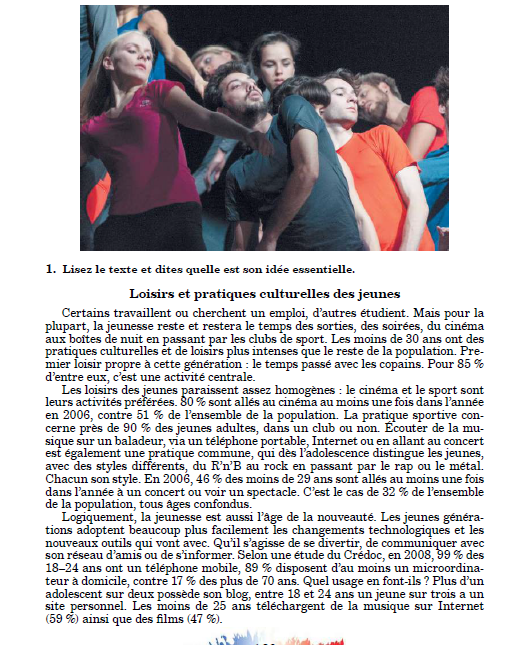
Тема: Молодь і мистецтво
11 12 14 гр. (французька)
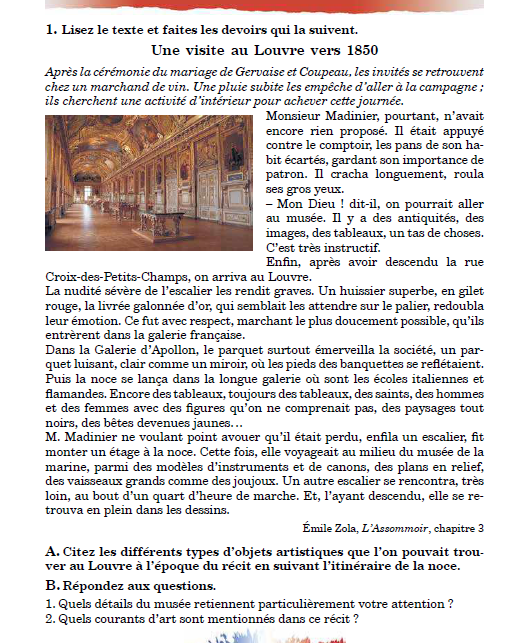
Тема: Вплив мистецтва на естетичний розвиток людини
20.03.2020р.
12 гр.
Тема: Запобігання природнім стихійним лихам.
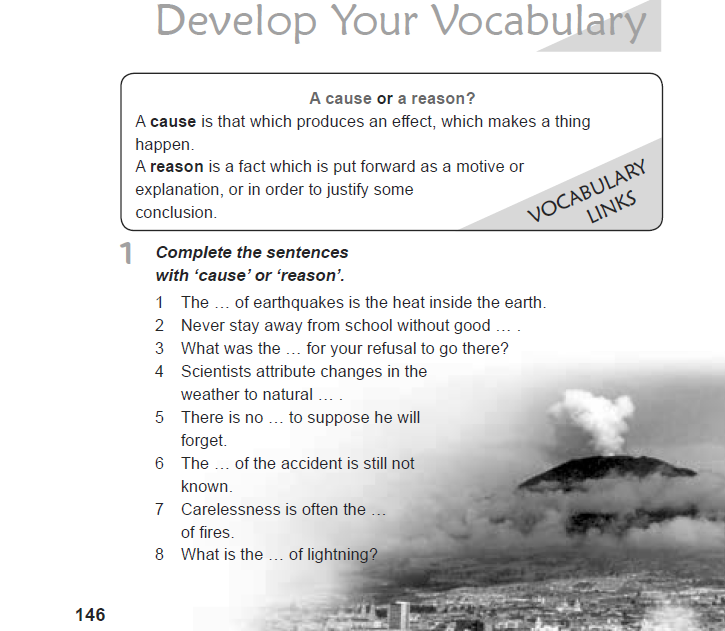
14гр.
Тема: Лексико - граматичний тест
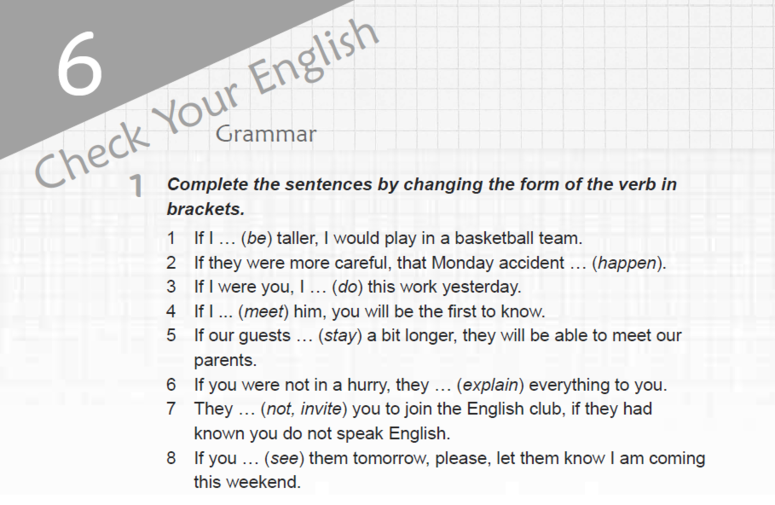
11 гр
Підтема : Стихійні лиха в України.
Natural disaster in Ukraine
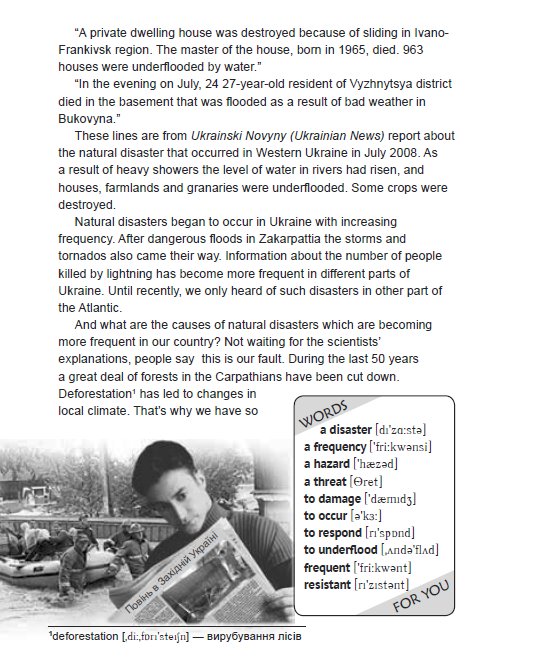
Вивчити слова.
Підтема : Причини стихійного лиха.
Causes natural disаster.
Тема: Вплив погоди на здоров’я та настрій.
Робота з граматичним матеріалом.
Glossary
weather forecast - прогноз погоди
frost - мороз
windy - вітряний
drizzle - мжичка, дрібний дощ
temperature - температура
north-easterly wind - північно-східний вітер
fog - густий туман молочного кольору
to clear - прояснятися
2) Аудіювання. Listening Script
The Weather Forecast
You`re listening to Weather Action`s seven day forecast. Though there were some fine sunny days last week in many places there was also frost overnight with sleet and snow in parts of northern Britain. Our long-range forecast for this month is that it will be very windy and quite cold at times and it will include wintry spells with more sleet and snow.
As far as next week`s outlook is concerned, southern parts of England and Wales will be cloudy with drizzle in places while the north should be dry, bright and sunny. Temperatures will be above average but light east to north-easterly winds could make North Sea coasts feel rather chilly. Scotland and Northern Ireland will have dry conditions and some sunny spells after early fog clears. Winds will be generally light. However, fresh southerly winds will bring more cloud into the west later.
3) Етап перевірки розуміння тексту. While – listening activity
Listen to the recording and match the following statements “ true “ or “ false “ :
· There were some fine frosty days last week.
· There was also frost with sleet and snow in parts of northern Britain.
· Our forecast for this month is that it will be very windy and quite cold at times.
· Southern parts of England and Wales will be warm and sunny.
· Temperatures will be below average in Wales.
· Scotland will have dry conditions.
Домашнє завдання.
Вивчити нові слова
11 12 14 гр. (французька)
Тема: Лексико – граматичний тест.
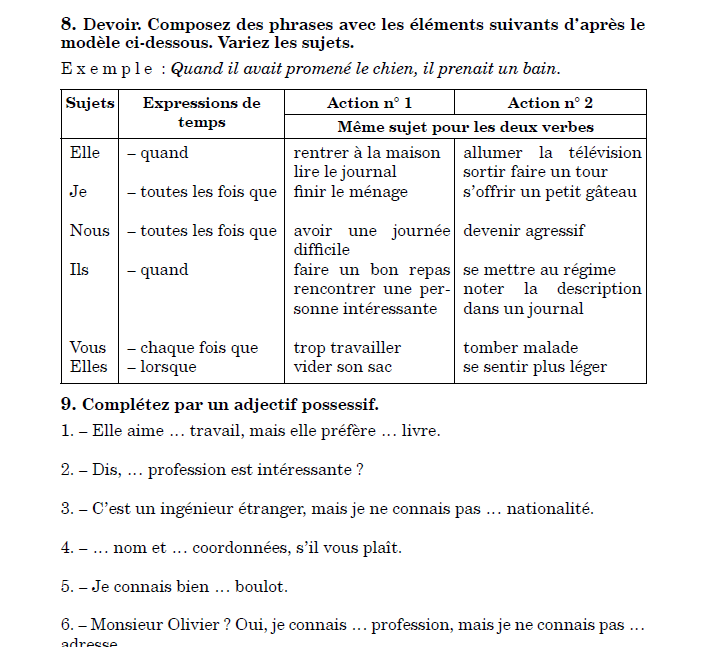
23.03.2020р.
21 гр.
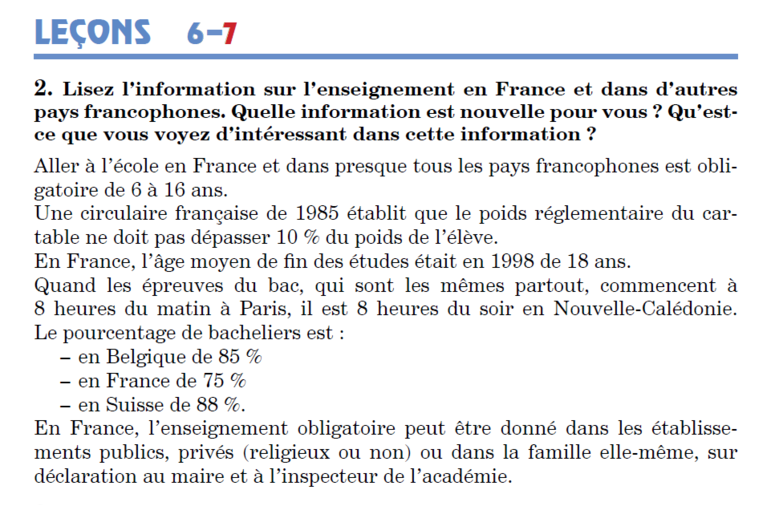
Тема: Навчання у Франції
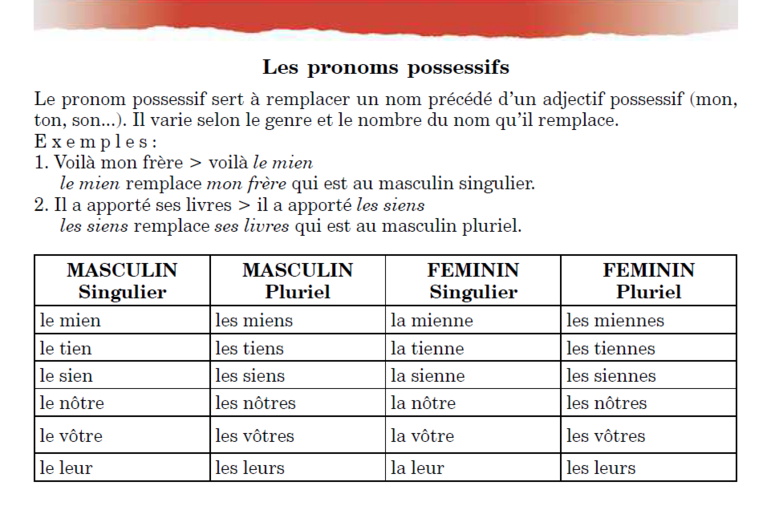
Тема: Присвійні займенники. Узгодження часів.
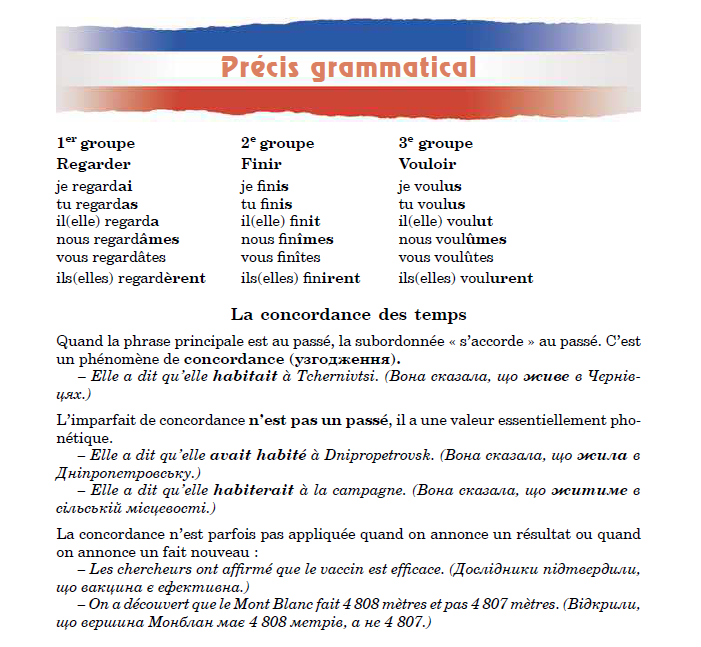
Devoir. Повторити часи дієслів.
34гр.
Тема: Освітні заклади в Україні. Герундій.
34 гр.
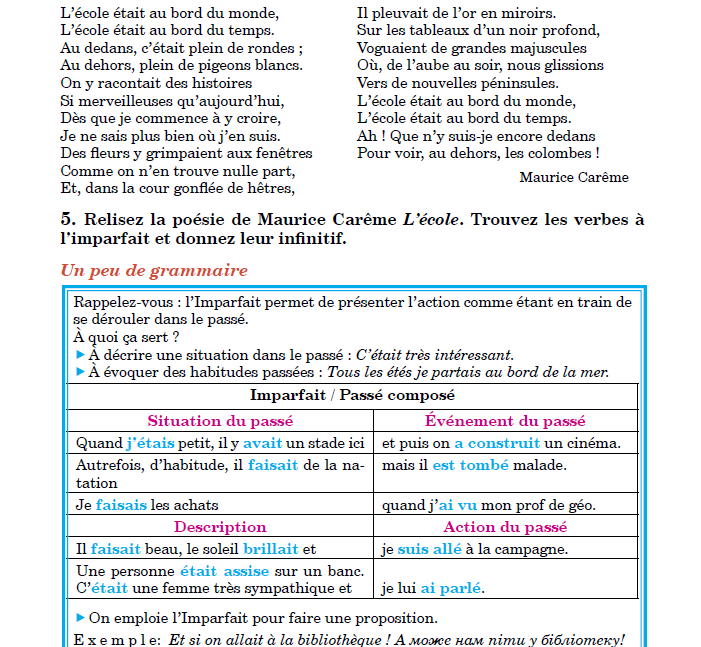
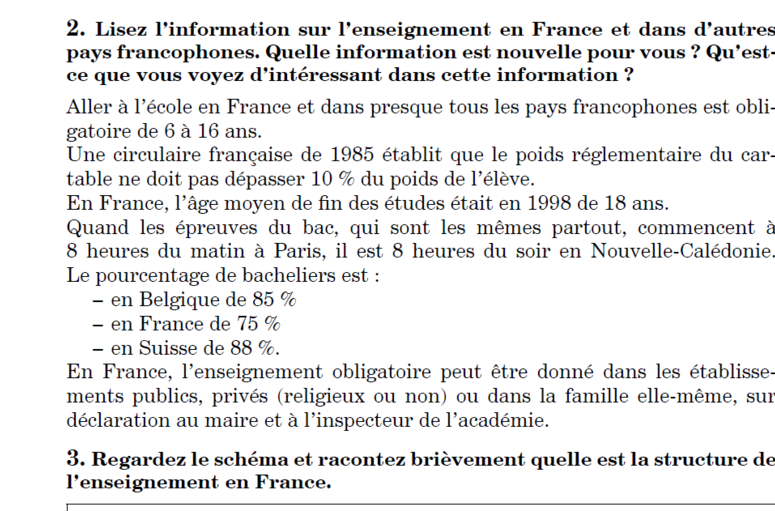
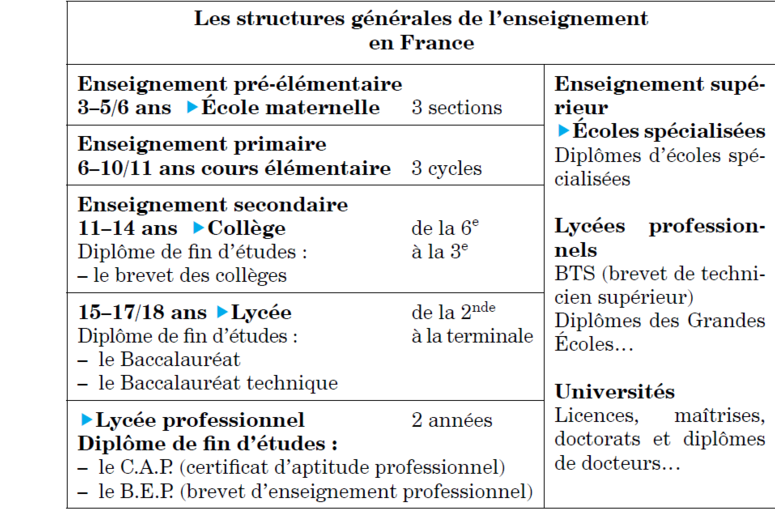
Тема: Система освіти у Франції
31 32 гр.
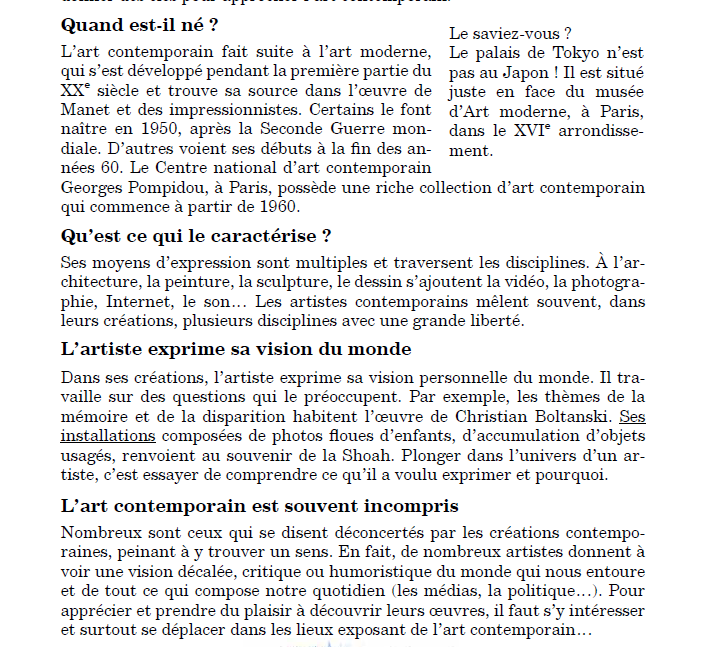
Тема: Вплив мистецтва на естетичний розвиток людини
Devoir.
11 гр.
Тема: Лісові пожежі. Узагальнення матеріалу.
24.03.2020р.
12 гр.
Тема: Стихійні лиха в України.
Natural disaster in Ukraine
Вивчити слова.
31 32 гр.
Тема: Лекико-граматичний тест

Devoir.
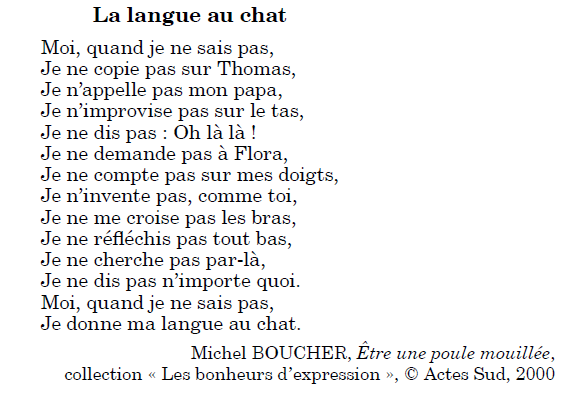
12гр.
Тема : Причини стихійного лиха.
Causes natural disаster.
14 гр.
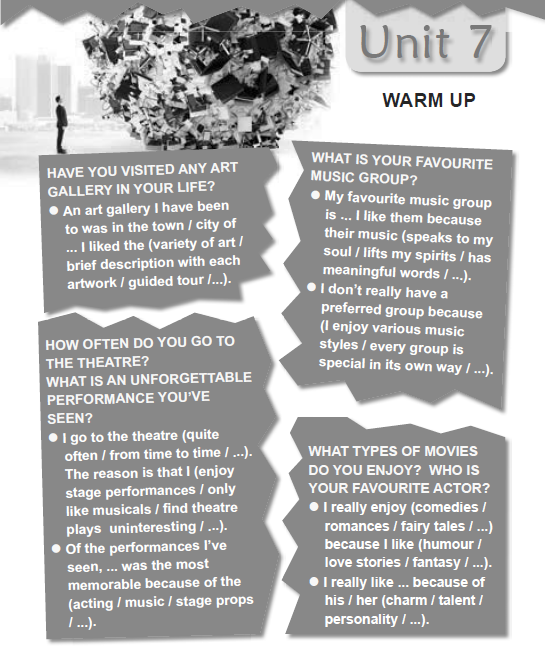
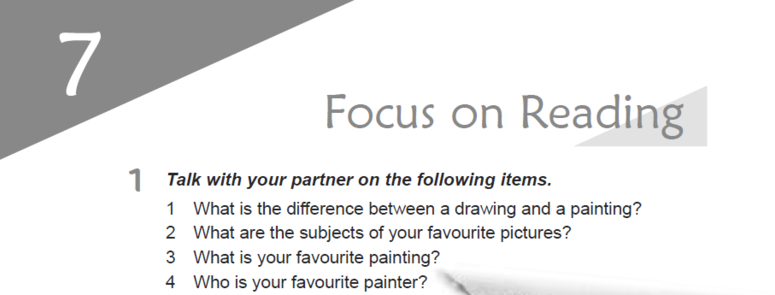
Тема: Живопис.
Підтема: Жанри живопису.
25.03.2020р.
31 32 гр.
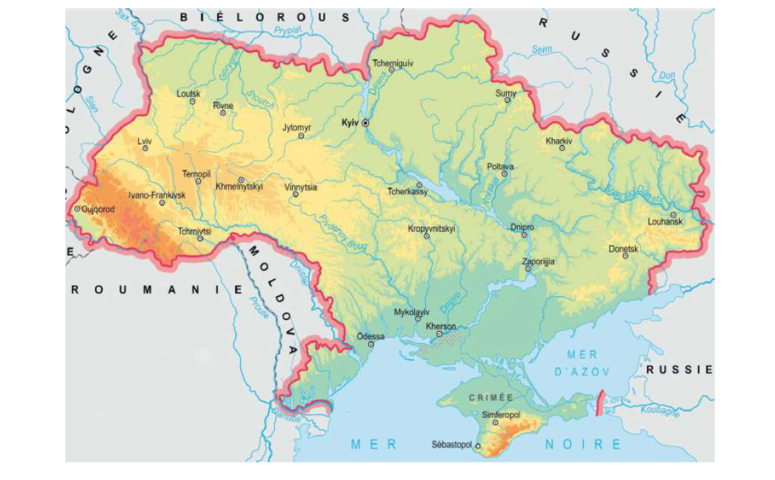
Тема: Україна у світі
Підтема: Україна
Devoir.
34 гр.
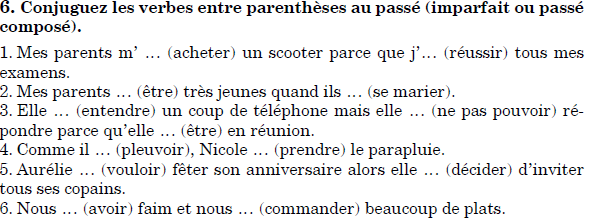
Тема: Шкільні предмети Франції.
Devoir.
34 гр.
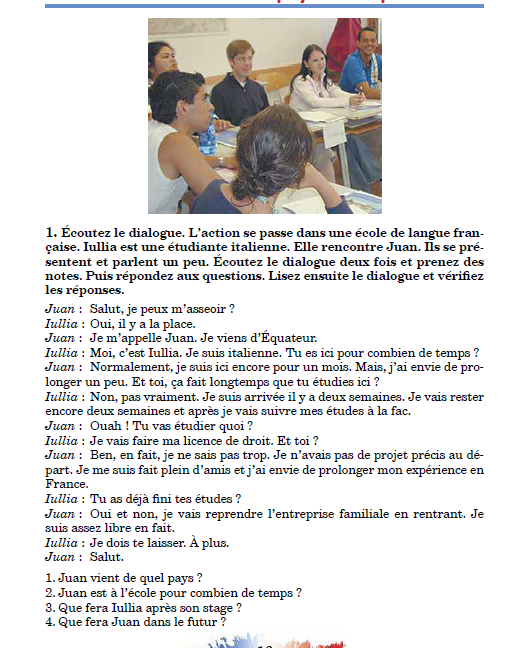
Тема: Освіта у франкомовних країнах.

34гр.
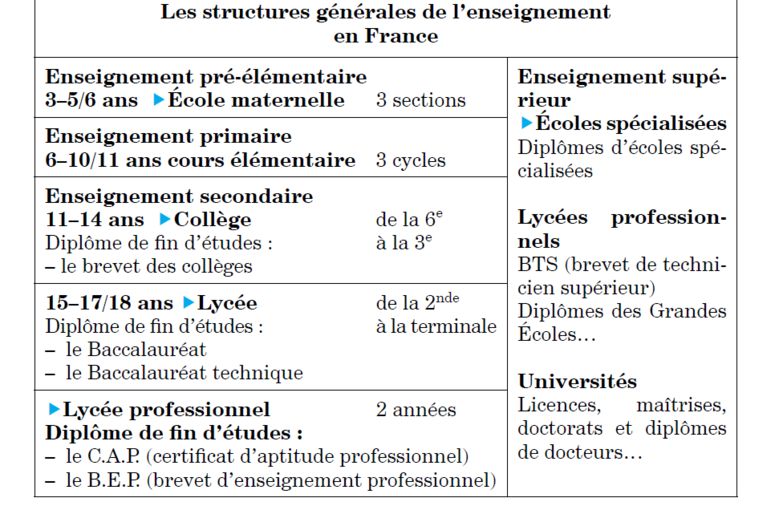
Тема: Освітні заклади у Франції.
Devoir.
34 гр.
Тема: Освіта у франкомовних країнах.
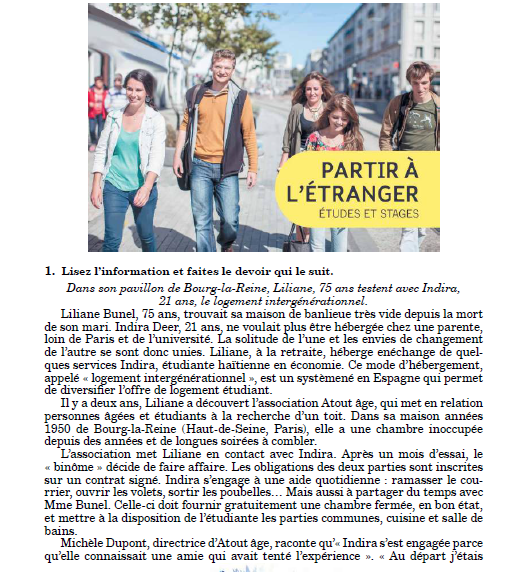
Devoir.
22 23 24 гр.
Тема: Використання комп’ютерної техники
Devoir.
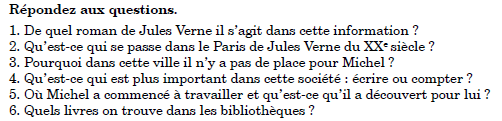
26. 03. 2020Р.
11 гр.
Тема: Лексико - граматичний тест
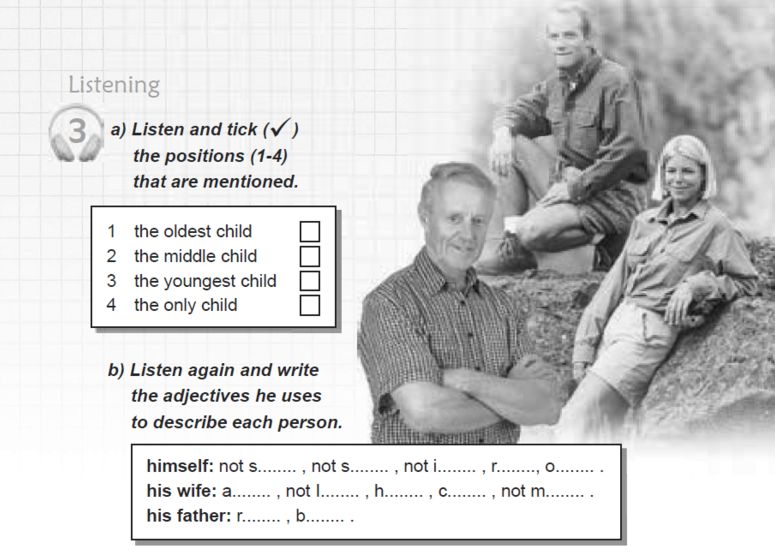
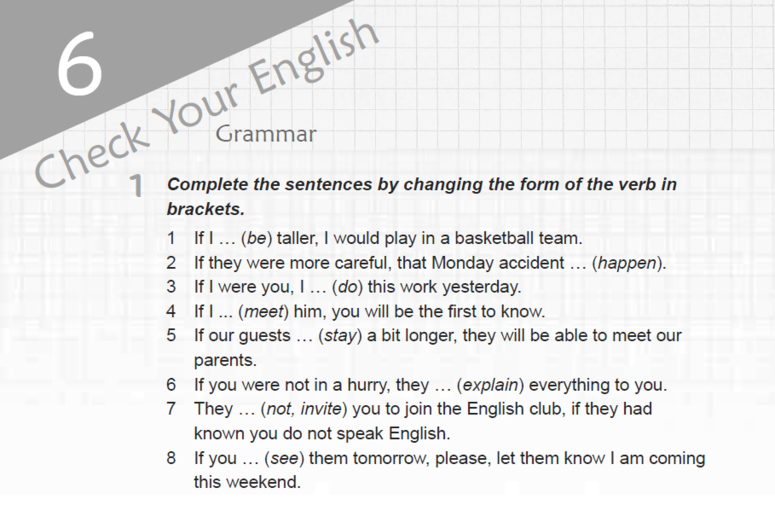
11 12 14 гр.
Тема: Наука і технічний прогрес
Підтема: Сучасні засоби комунікації
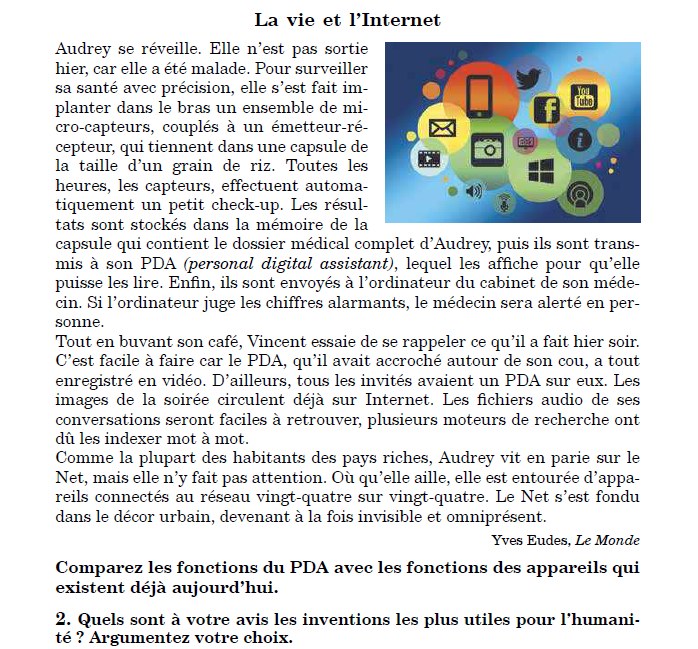
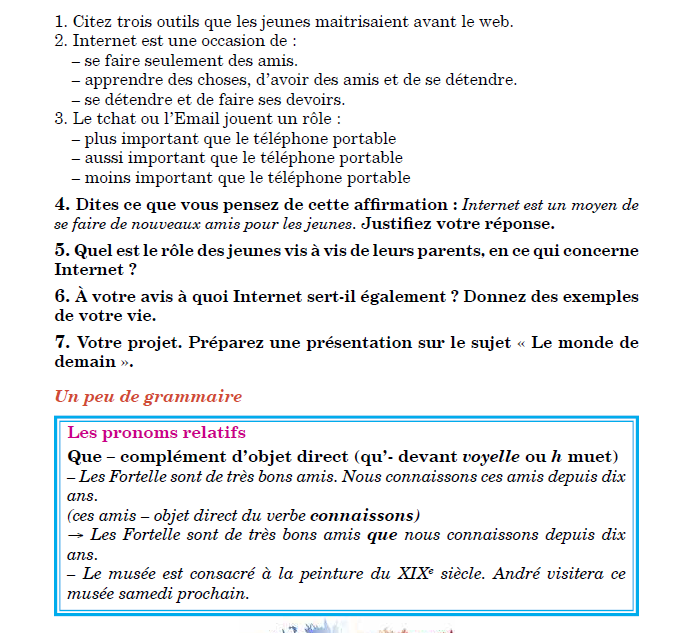
Devoir. Composez des phrasez avec les pronoms relatifs.
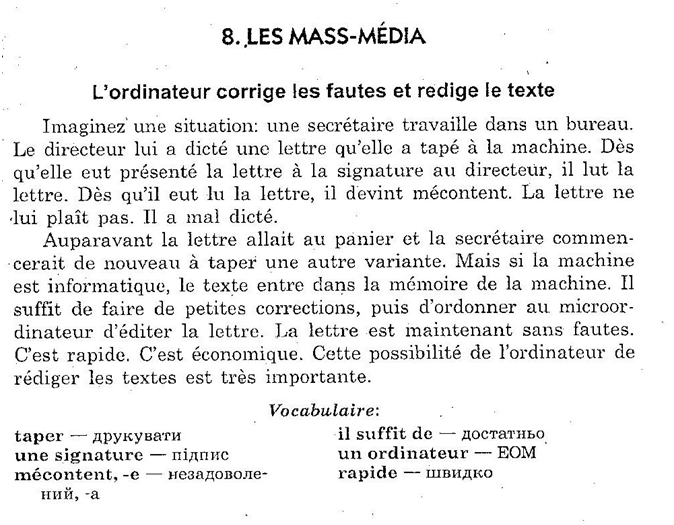
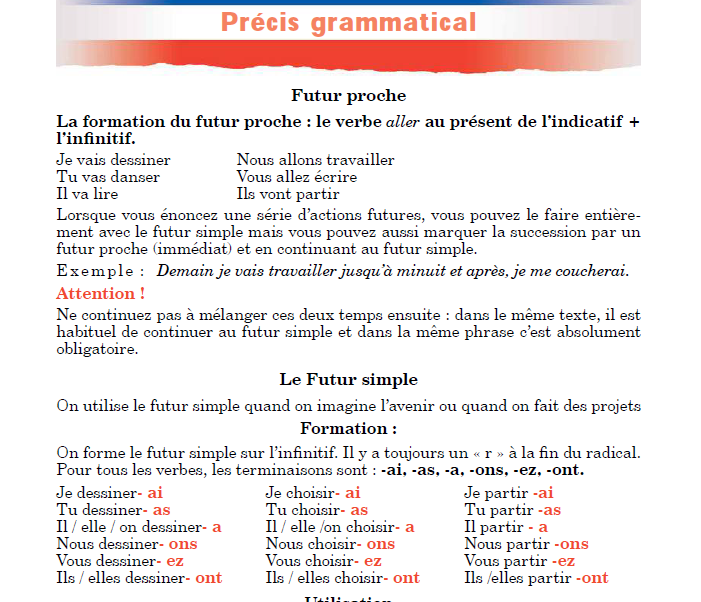
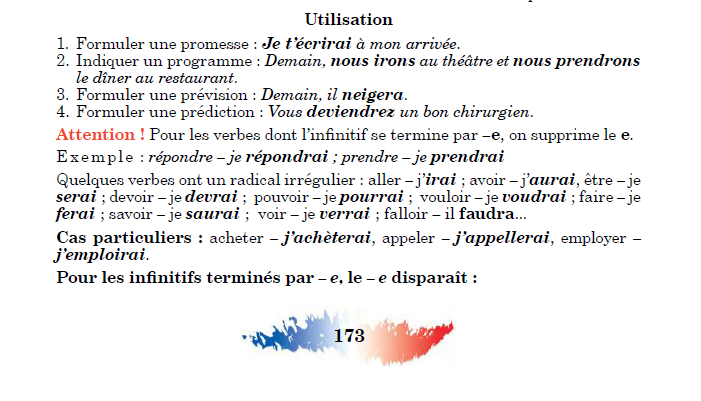
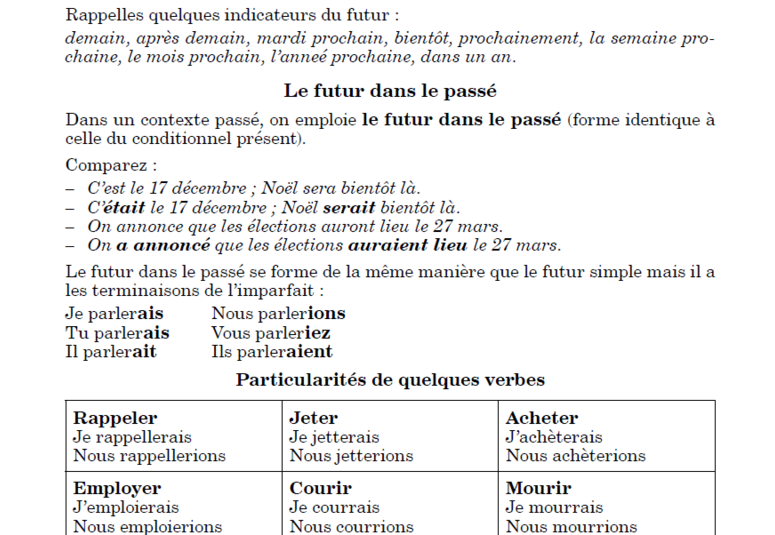
Тема: Комп’ютерні обладнання. Майбутній час.
14 гр.
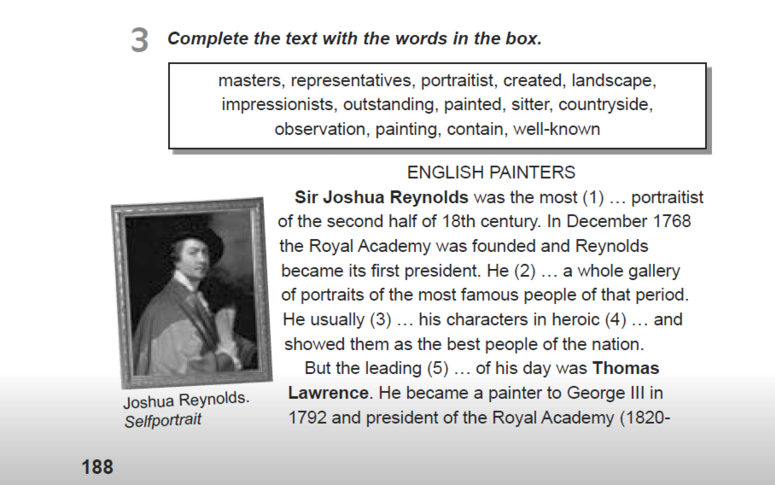
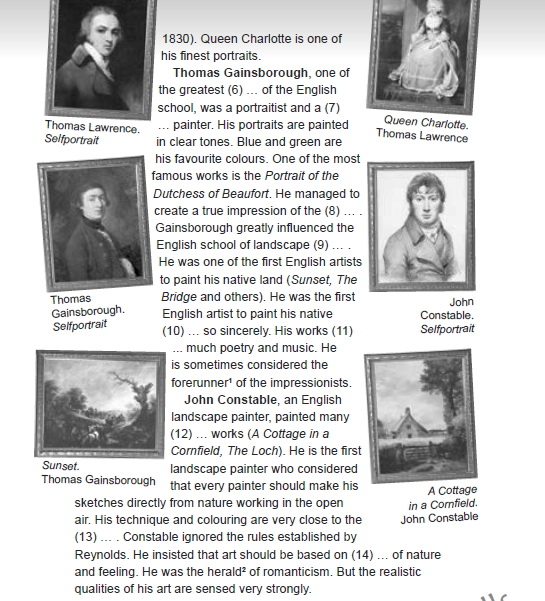
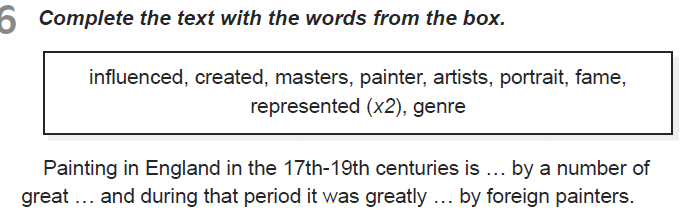
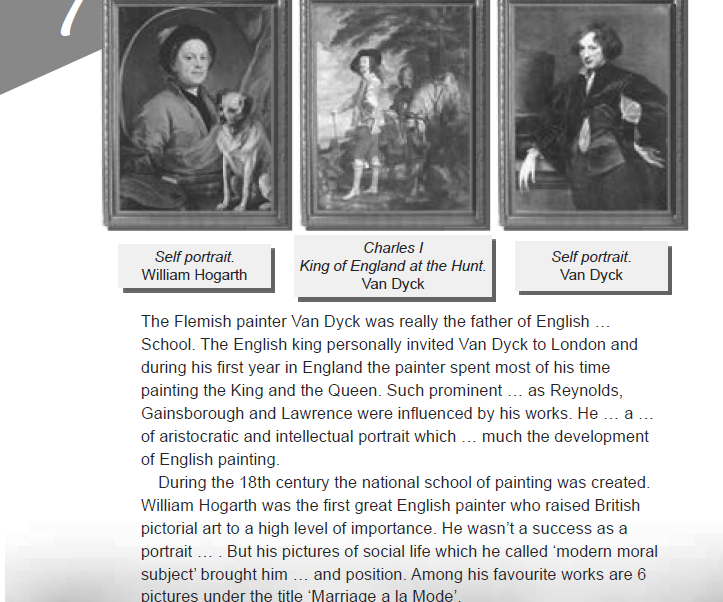
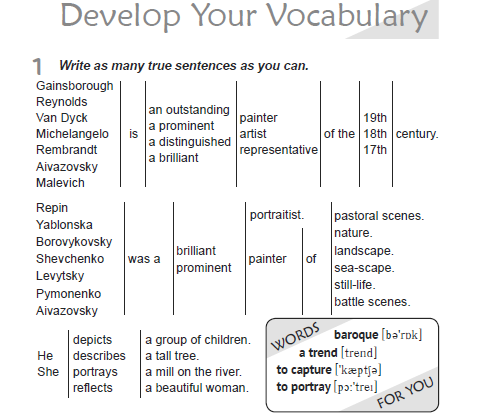
Тема: Живопис в Англії. Розвиток навичок читання та говоріння.
27.03.2020р.
12 гр.
Тема: Вплив погоди на здоров’я та настрій.
Робота з граматичним матеріалом.
Glossary
weather forecast - прогноз погоди
frost - мороз
windy - вітряний
drizzle - мжичка, дрібний дощ
temperature - температура
north-easterly wind - північно-східний вітер
fog - густий туман молочного кольору
to clear - прояснятися
2) Аудіювання. Listening Script
The Weather Forecast
You`re listening to Weather Action`s seven day forecast. Though there were some fine sunny days last week in many places there was also frost overnight with sleet and snow in parts of northern Britain. Our long-range forecast for this month is that it will be very windy and quite cold at times and it will include wintry spells with more sleet and snow.
As far as next week`s outlook is concerned, southern parts of England and Wales will be cloudy with drizzle in places while the north should be dry, bright and sunny. Temperatures will be above average but light east to north-easterly winds could make North Sea coasts feel rather chilly. Scotland and Northern Ireland will have dry conditions and some sunny spells after early fog clears. Winds will be generally light. However, fresh southerly winds will bring more cloud into the west later.
3) Етап перевірки розуміння тексту. While – listening activity
Listen to the recording and match the following statements “ true “ or “ false “ :
· There were some fine frosty days last week.
· There was also frost with sleet and snow in parts of northern Britain.
· Our forecast for this month is that it will be very windy and quite cold at times.
· Southern parts of England and Wales will be warm and sunny.
· Temperatures will be below average in Wales.
· Scotland will have dry conditions.
Домашнє завдання.
Вивчити нові слова
Тема: Лісові пожежі. Узагальнення матеріалу.
11гр.
Тема: Живопис.
Підтема: Жанри живопису.
Тема: Живопис в Англії.
Розвиток навичок читання та говоріння.
14 гр.
Тема: Живопис в України.
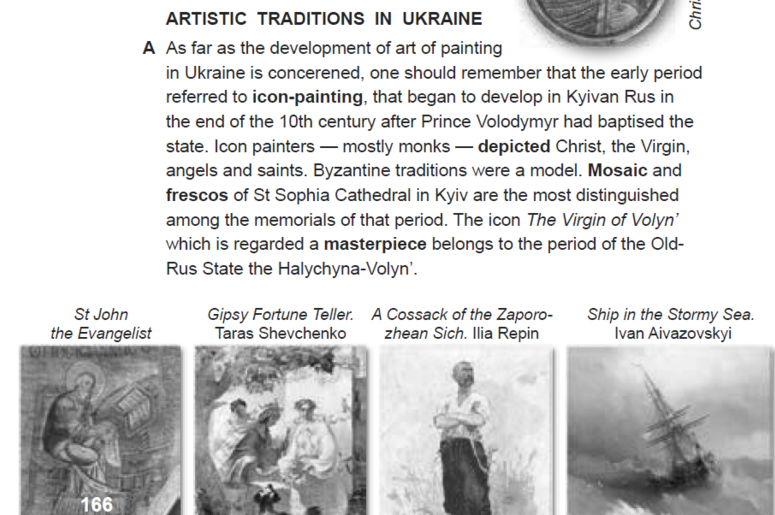
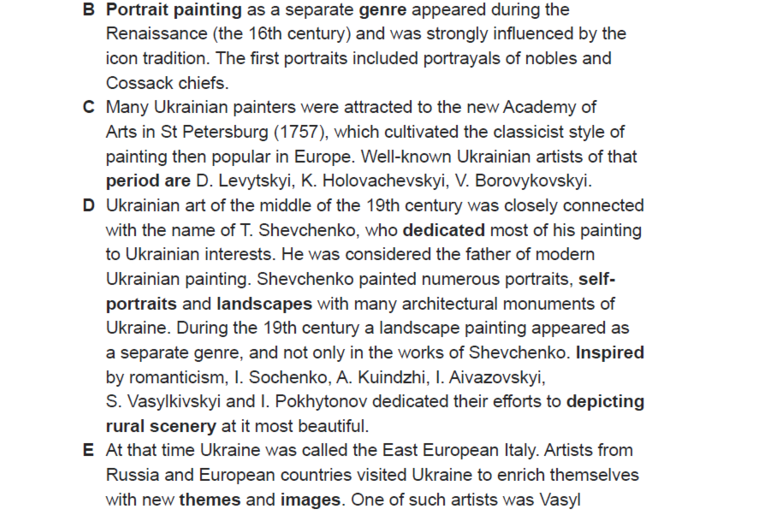
Домашнє завдання
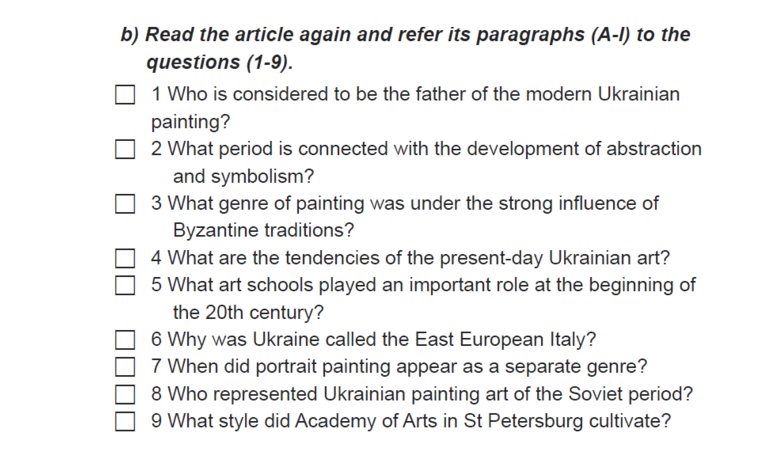
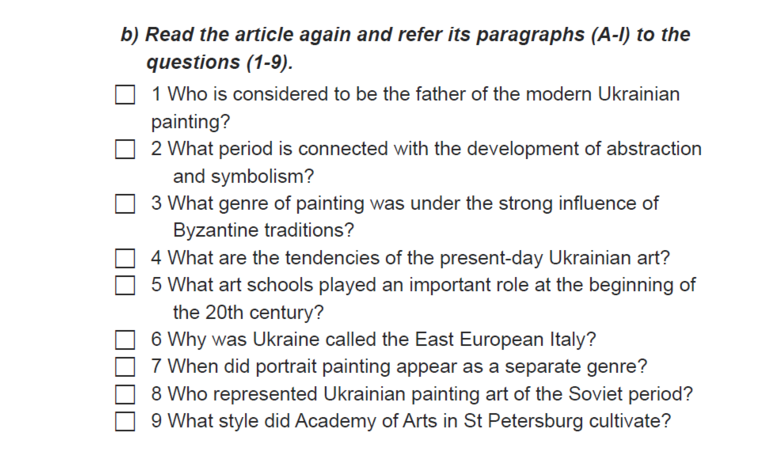
30.03.2020р.
11 гр.
Тема: Живопис в України.
Домашнє завдання
31.03 2020р.
12 гр.
Тема: Живопис в Англії.
Розвиток навичок читання та говоріння.
14 гр.
Тема: Живопис в України.
Домашнє завдання
31 32 гр.
Тема: Політичний устрій України. Герундій.
14 гр.
Тема: Роль мистецтва в житті людини.
01.04.2020р.
31 32 гр.
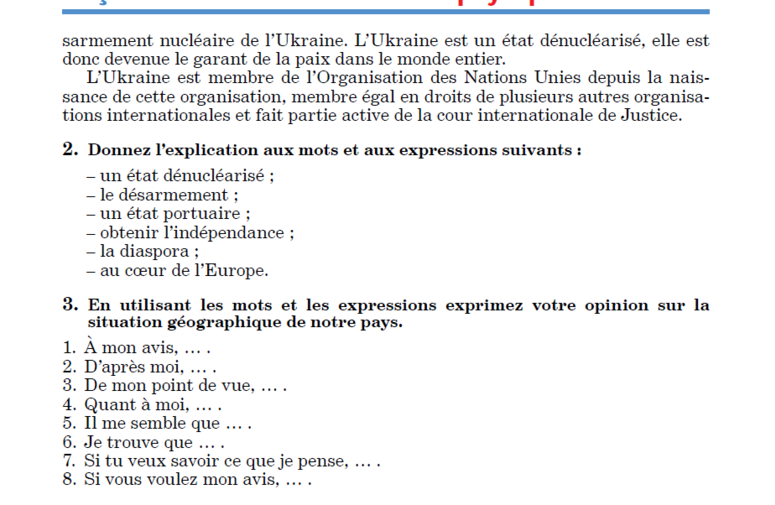
Тема: Декларація про державний суверенітет України.

Devoir.
14 гр.
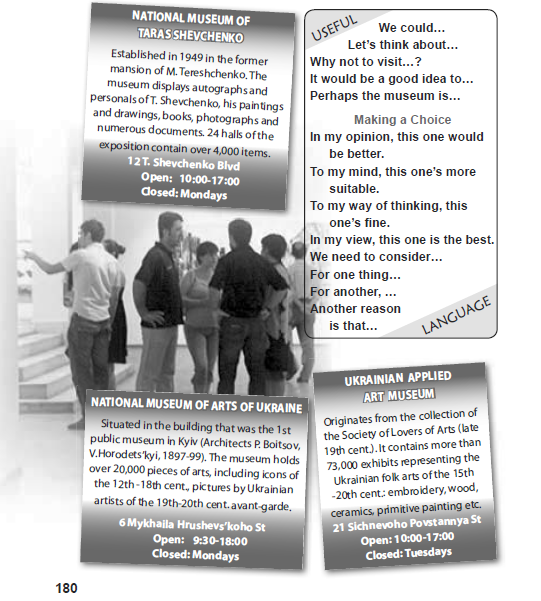
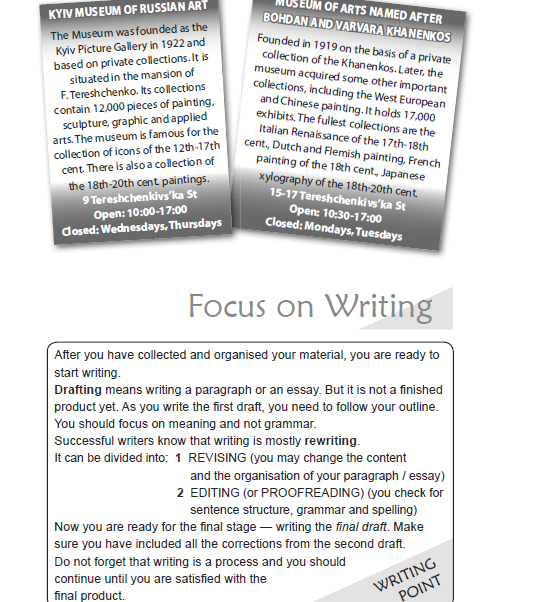
Тема: Відвідування виставок та музеїв. Розвиток навичок читання та говоріння.
22 23 24 гр.
Тема: Контрольна робота
02.04.2020р.
31 32 гр.
Тема: Українська діаспора
La première mention d'Ukrainiens dans ce pays a de profondes racines historiques. En 1051, le roi Henri Ier de France (1031-1060) épousa la fille du prince Yaroslav le Sage de Kiev, le "beau-père d'Europe" d'Anna. Cette dernière, après la mort de son mari, était régente avec le jeune fils de Philippe, participa activement aux affaires publiques et survécut à l'un des documents. sa signature manuscrite en lettres cyrilliques: "Anna ruine", c'est-à-dire Anna regina.Pour l'évangile que sa princesse a amené avec lui, les rois de France ont juré jusqu'à la révolution de 1789. Le nom d'Anna Yaroslavna est associé à l'établissement du monastère et de l'église de Saint-Vincent à Sanli (n près de Paris.) La Charte de la fondation du monastère et l'érection d'une chapelle remontent à 1060. Aujourd'hui, à son entrée, une sculpture d'Anne pleine hauteur avec une couronne sur la tête, un sceptre royal dans une main et un modèle de l'église dans l'autre se dresse sur le piédestal. Anna Russian, reine de France, fondatrice du temple en 1060 »[12,384].
La bataille de Poltava en 1709 et la défaite des Cosaques en elle firent massivement voyager ces derniers à l'étranger. Une petite partie d'entre eux s'installe en France. Une page frappante de l'histoire de ce pays a été inscrite par le fils de l'homme de guerre ukrainien dans l'exil de Philip Orlyk-Grigor. Il est arrivé grâce au patronage de l'ambassadeur de France à Varsovie de Monti et du suédois à Unlich. Alors qu'il était lieutenant-général de l'armée de Louis XV et membre du conseil de la cour secrète de la Secre de Rue, il est devenu célèbre en tant que diplomate flexible. Il est à noter que les Français reconnaissants l'ont nommé l'un de ses plus grands aéroports: Orly [7,10].
En fait, le «peuplement» en France des Cosaques est considéré comme la première vague d'émigration. Le second est associé à la révolution de 1905 en Russie. Par conséquent, il est représenté principalement par l'élite politique, tels que: V. Vinnichenko, E. Bachynsky, Y. Fedoruk, M. Paraschuk, M. Rudnytsky, et d'autres. À leur initiative, une organisation d'émigrants ukrainiens a été créée, comprenant 120 personnes. Parmi ses priorités figurent l'ouverture de cours de langue ukrainienne, la diffusion d'informations sur l'Ukraine en français. C'était assez audacieux, car pendant plusieurs siècles l'Ukraine était considérée comme la province méridionale de la Russie.
La troisième vague couvre l'entre-deux-guerres et sa composition sociale est représentée par:
Les Ukrainiens du Corps expéditionnaire russe combattant sur le front français;
des fonctionnaires des missions diplomatiques ukrainiennes de l'UNR et du ZUNR;
anciens guerriers et officiers de l'UNR;
personnalités politiques éminentes de l'UNR (S. Petliura, V. Prokopovych, O. Shulgin).
03.04.2020р.
12 гр.
Тема: Живопис.
Підтема: Жанри живопису.
11 гр.
Тема: Роль мистецтва в житті людини.
06.04.2020р.
21 гр.
Тема: Узгодження часів.
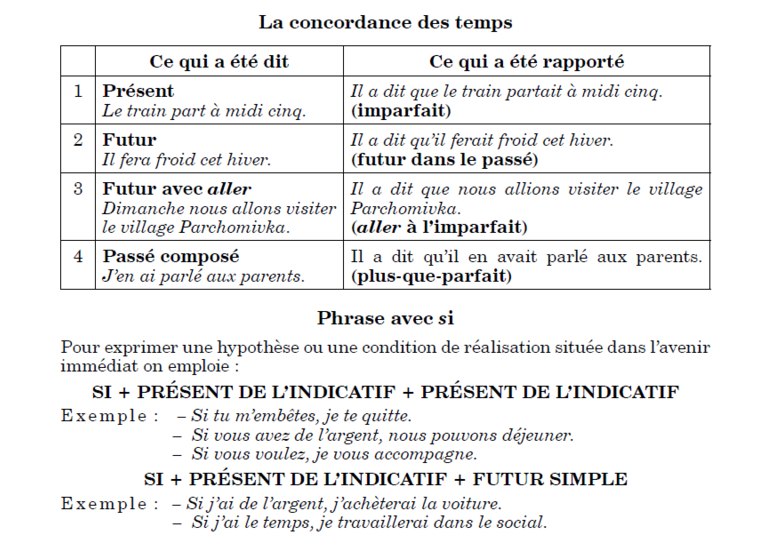
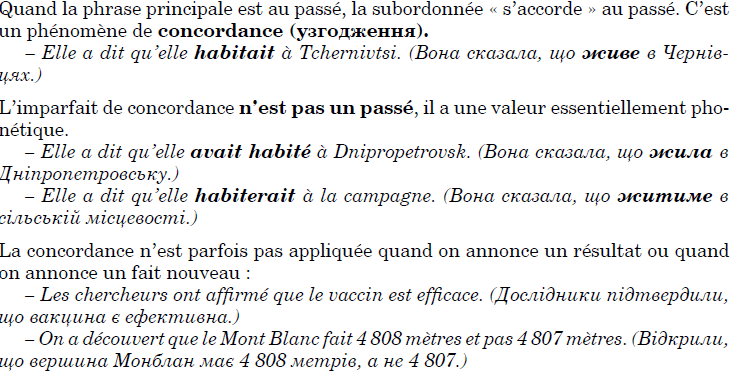
Тема: Школа
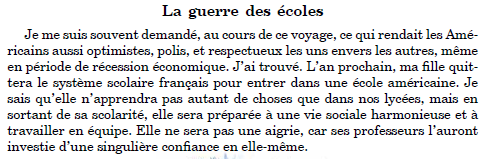
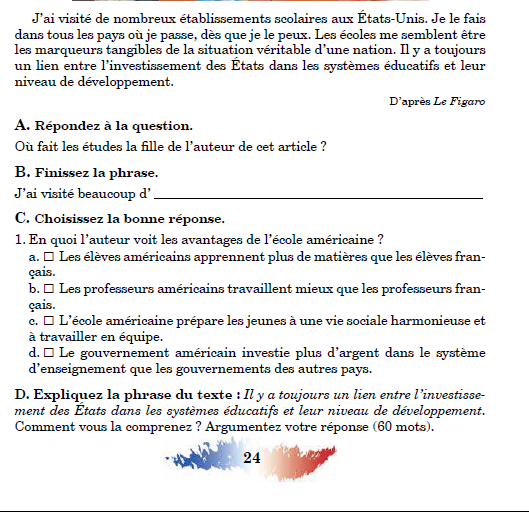
31 32 гр.
Тема: Міжнародне становище України у Світі. Герундій.
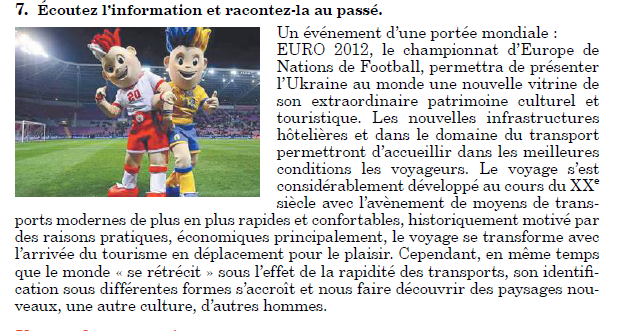
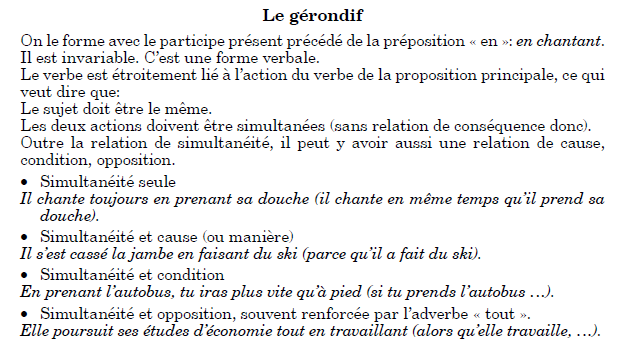
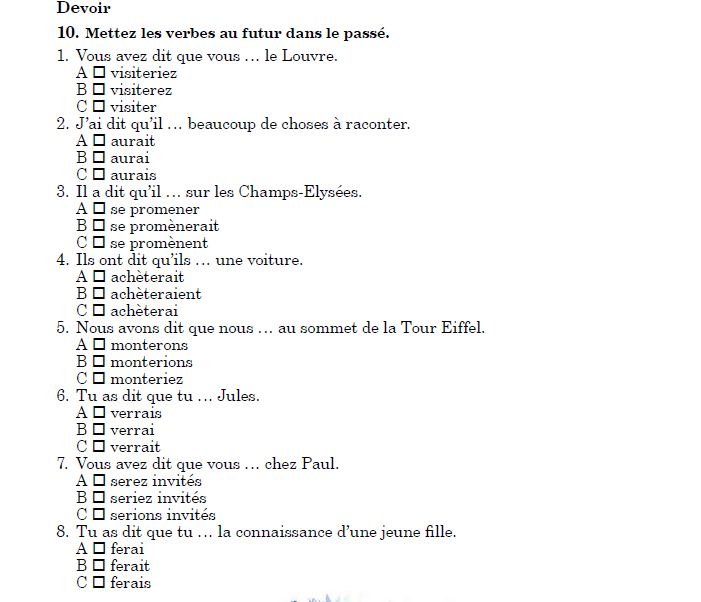
11гр.
Тема: Відвідування виставок та музеїв. Розвиток навичок читання та говоріння.
07.04.2020р.
12гр.
Тема: Живопис в Англії.
Розвиток навичок читання та говоріння.
14гр.
Тема: Відвідування галерей
Lesson Procedure
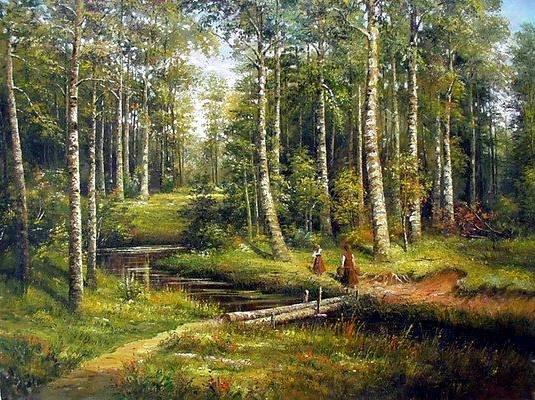
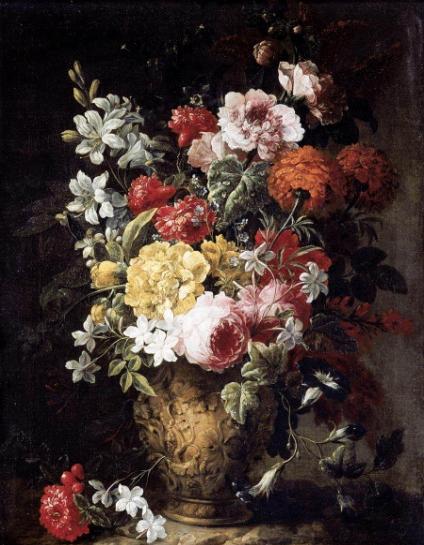
1) Look at the pictures and say which genre of painting you like most and why.
still life historical painting
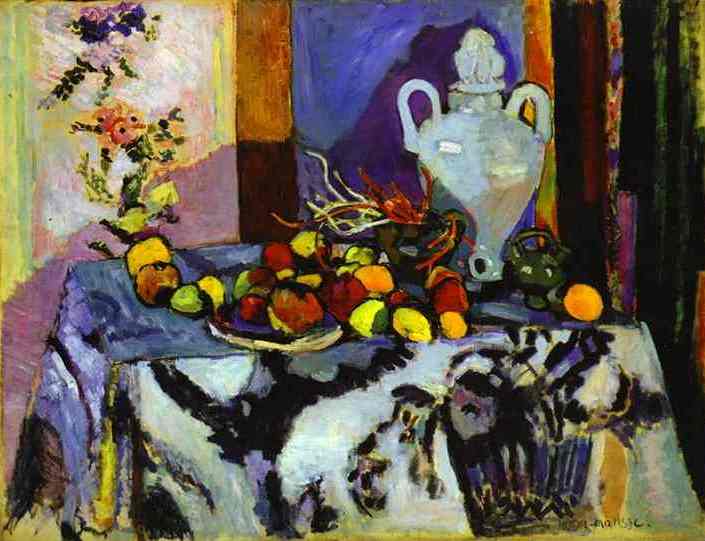
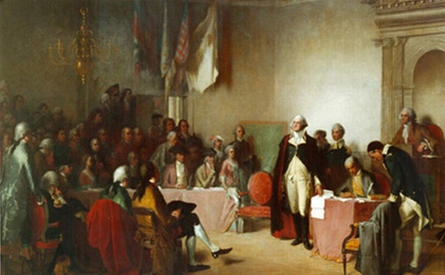
landscape seascape

flower piece portrait
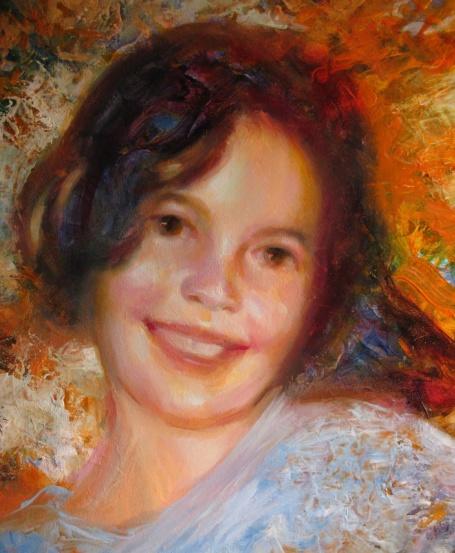
2) Read the poem and practise sentence stress.
Painting with words
Talk…Talk…
Subjects and perspective,
Views and light,
Canvas prepped and colours.
Looking deep…
Thinking…Analysing…
Finding the hidden colours,
Hidden views, hidden perspective,
Complements and contrast.
“Life is a great big canvas, and you should throw all the paint on it you can.”- Danny Kaye. Let’s see what “paints” you can “throw” at the part of the canvas responsible for your education and knowledge, by checking your homework. You had to make presentations or collages about modern art styles.
While listening to other groups’ presentation, write down two or three ideas of each style and at the end you’ll report what you have learnt and say which art style you like best.
Everyone did a great job. Now you know a lot about art styles. Today you are going to learn how to discuss works of art.
4) Look at the paintings. Do you know the artists? Do you know any other works by them?
1) 2)
3) 4)
4) 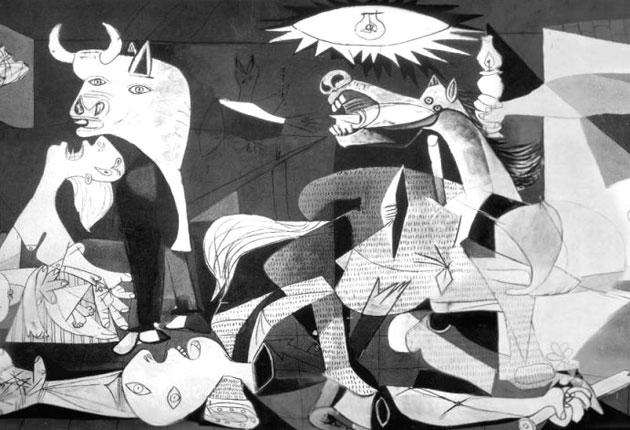
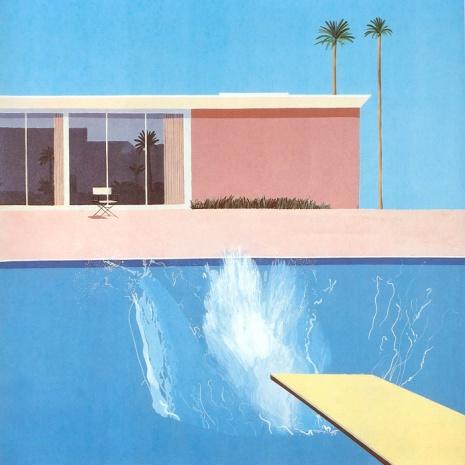
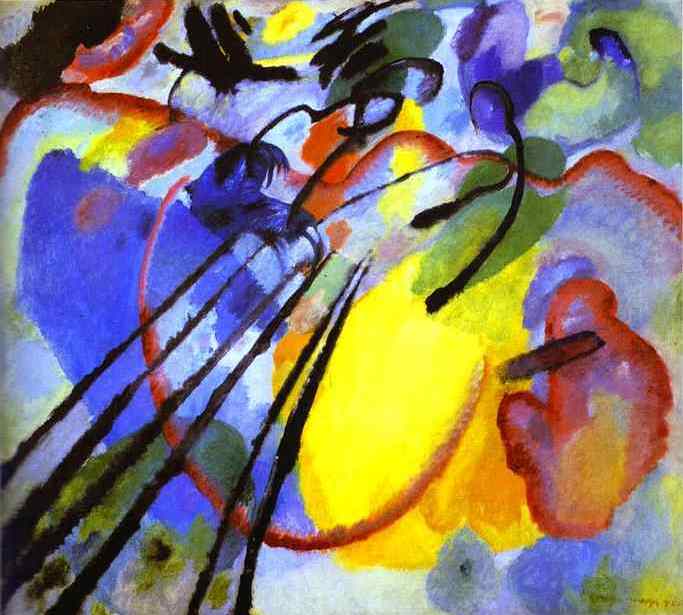
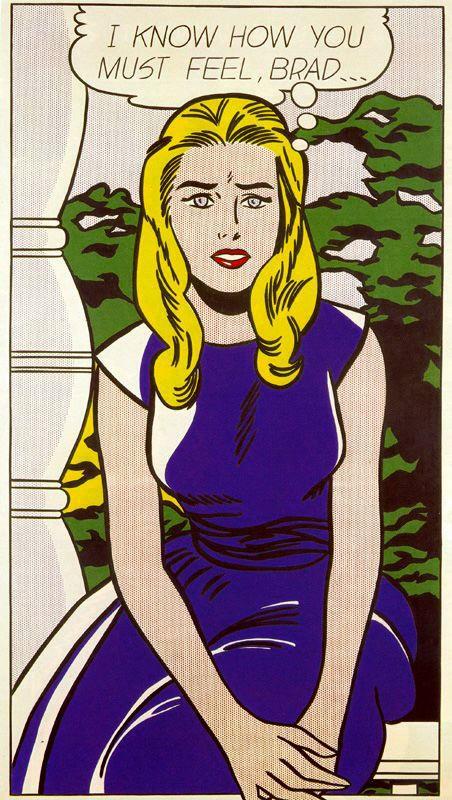
(These paintings are by David Hockney, Pablo Picasso, Roy Lichtenstein and Wassily Kandinsky. Their works are called 1) “A Bigger Splash” (David Hockney), 2) “Improvisation 28” (Wassily Kandinsky), 3) “I Know…Brad” (Roy Lichtenstein), 4) “Guernica” (Pablo Picasso).
David Hockney (born in 1937), an English painter and photographer, is famous for his satirical paintings and penetrating portraits. His style is naïve on purpose and he uses bright and flat acrylic colours. “A Bigger Splash” (1967) is one of his best known works.
Pablo Picasso (1881-1973), Spanish painter and sculptor, is considered by many people to be the most genial artist of the twentieth century. He was creative and prolific. He innovated styles and techniques and was the spinning wheel for many changes in twentieth century painting.
Roy Lichtenstein (1922) is a leading US painter of pop art. He pioneered the use of mass-media techniques in non- commercial art.
Wassily Kandinsky (1866-1944) was a Russian Expressionist painter. He painted the first purely abstract paintings in European art. His paintings are characterized by vivid colours and analogies to music.)
31 32 гр.
Тема: Міжнародні організації.

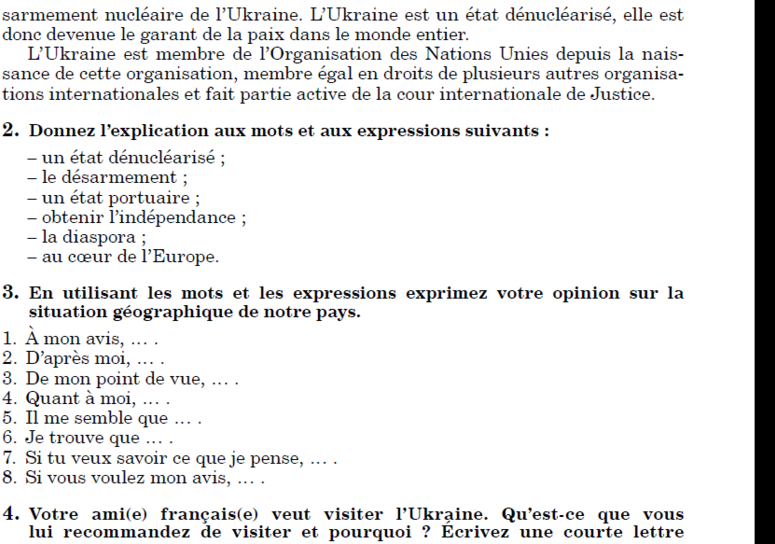
08.04.2020р.
31 32 гр.
Тема: Європейський Союз та організація Об’єднаних Націй.
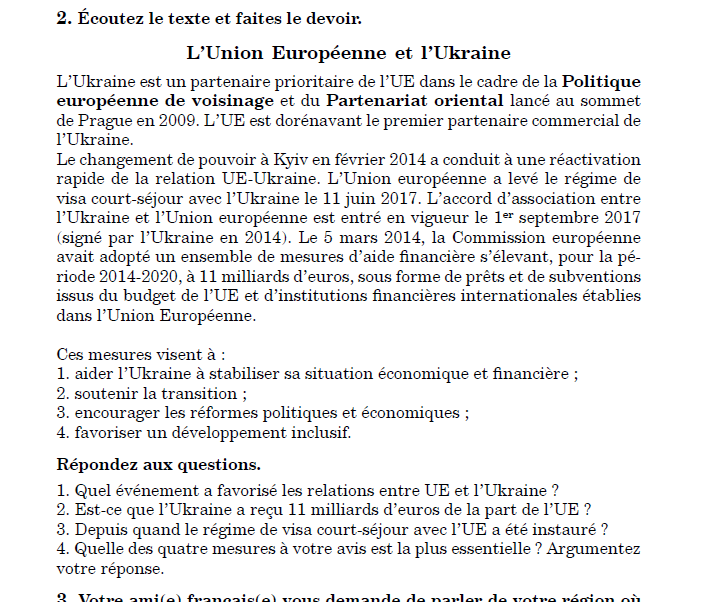
14 гр.
Тема: Відомі англійські художники. Питальні речення.
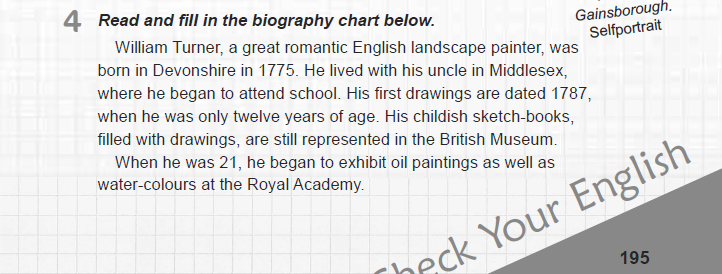
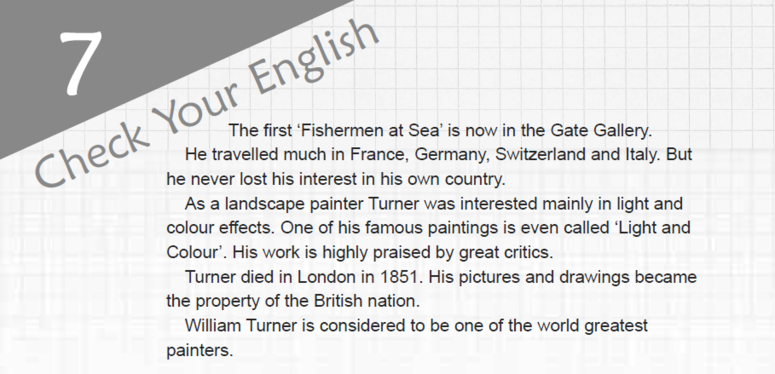
22 23 24 гр.
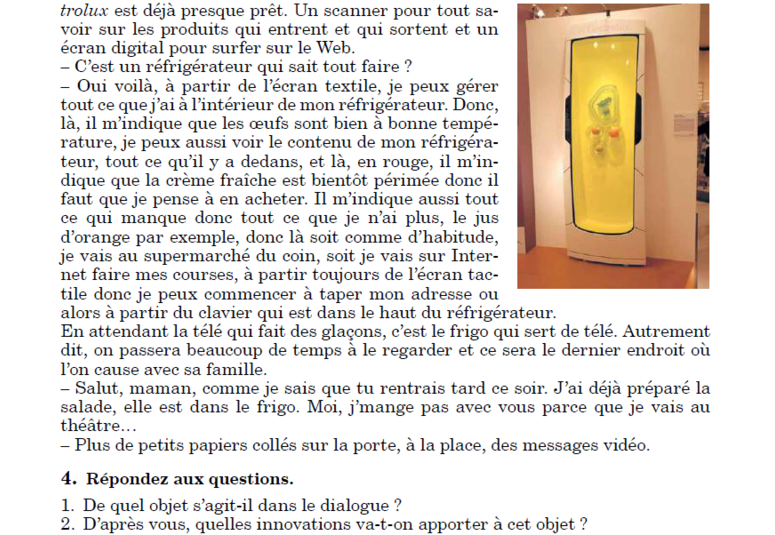
Тема: Телебачення, радіо, телефон – історія виникнення.

09.04.2020р.
31 32гр.
Тема: Герундій
10.04.2020р.
12гр.
Тема: Живопис в України.
Домашнє завдання
11гр.
Тема: Відвідування галерей
Lesson Procedure
1) Look at the pictures and say which genre of painting you like most and why.
still life historical painting
landscape seascape
flower piece portrait
2) Read the poem and practise sentence stress.
Painting with words
Talk…Talk…
Subjects and perspective,
Views and light,
Canvas prepped and colours.
Looking deep…
Thinking…Analysing…
Finding the hidden colours,
Hidden views, hidden perspective,
Complements and contrast.
“Life is a great big canvas, and you should throw all the paint on it you can.”- Danny Kaye. Let’s see what “paints” you can “throw” at the part of the canvas responsible for your education and knowledge, by checking your homework. You had to make presentations or collages about modern art styles.
While listening to other groups’ presentation, write down two or three ideas of each style and at the end you’ll report what you have learnt and say which art style you like best.
Everyone did a great job. Now you know a lot about art styles. Today you are going to learn how to discuss works of art.
4) Look at the paintings. Do you know the artists? Do you know any other works by them?
(These paintings are by David Hockney, Pablo Picasso, Roy Lichtenstein and Wassily Kandinsky. Their works are called 1) “A Bigger Splash” (David Hockney), 2) “Improvisation 28” (Wassily Kandinsky), 3) “I Know…Brad” (Roy Lichtenstein), 4) “Guernica” (Pablo Picasso).
David Hockney (born in 1937), an English painter and photographer, is famous for his satirical paintings and penetrating portraits. His style is naïve on purpose and he uses bright and flat acrylic colours. “A Bigger Splash” (1967) is one of his best known works.
Pablo Picasso (1881-1973), Spanish painter and sculptor, is considered by many people to be the most genial artist of the twentieth century. He was creative and prolific. He innovated styles and techniques and was the spinning wheel for many changes in twentieth century painting.
Roy Lichtenstein (1922) is a leading US painter of pop art. He pioneered the use of mass-media techniques in non- commercial art.
Wassily Kandinsky (1866-1944) was a Russian Expressionist painter. He painted the first purely abstract paintings in European art. His paintings are characterized by vivid colours and analogies to music.)
13.04.2020р.
21гр.
Тема: Відмінювання дієслова “бути” в теперішньому часі.

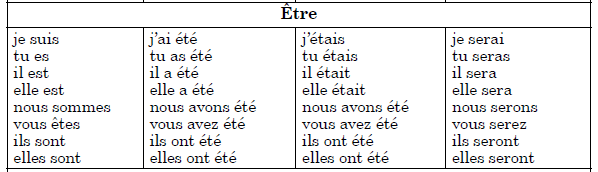
Тема : Контрольна робота
TRADUIRE EN FRANCAIS LES TEXTE
Il y a beaucoup de metier et de profession dans le monde . Parmi eux on peut citer ; agronome, artiste, bettonier, chauffeur, constructeur, electricien , ingenieur, journaliste, mecanicien , musicien, steno-dactylo, telephoniste, tourneur, tractoriste , trayeuse, vendeur, dessinateur ...
Il y a differentes manieres d’apprandre un metier . Ayant termine l’ecole de huit ans , les jeunes entrent dans les ecoles de cours, des ateliers, des bibliotheques. A l’epoque de la revolution scientifique et tehnique, on a besoin d’ouvriers. Ces ecoles forment des ouvriers hautement instruits. On prete une grande attention a la culture et au sport. L’eleve ne paie rien pour apprendre. Beaucoup d’entre eux touchent une bourse !
Apres l’ecole secondaire, on peut entrer a l’institut ou bien a l’universite. Les etudes y durent 4-5 ans.
11гр.
Тема: Відвідування виставок та музеїв. Розвиток навичок читання та говоріння.
14.03.2020р.
12гр.
Тема: Роль мистецтва в житті людини.
31 32гр.
Тема: Герундій.
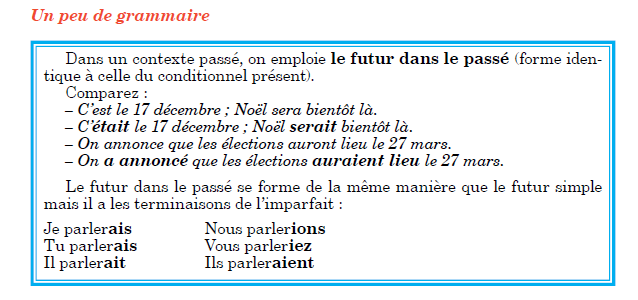
Devoir. Повторити часи дієслів
11 гр.
Тема: Відомі англійські художники. Питальні речення.
14.04.2020 р.
12 гр.
Тема: Роль мистецтва в житті людини.
31 32 гр.
Тема: Міста – побратими.
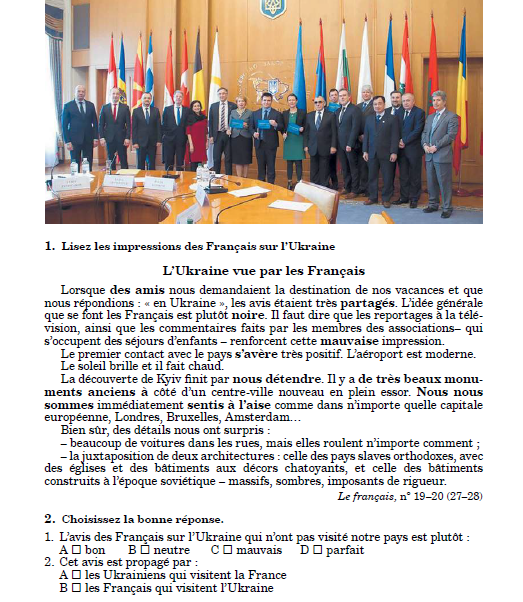
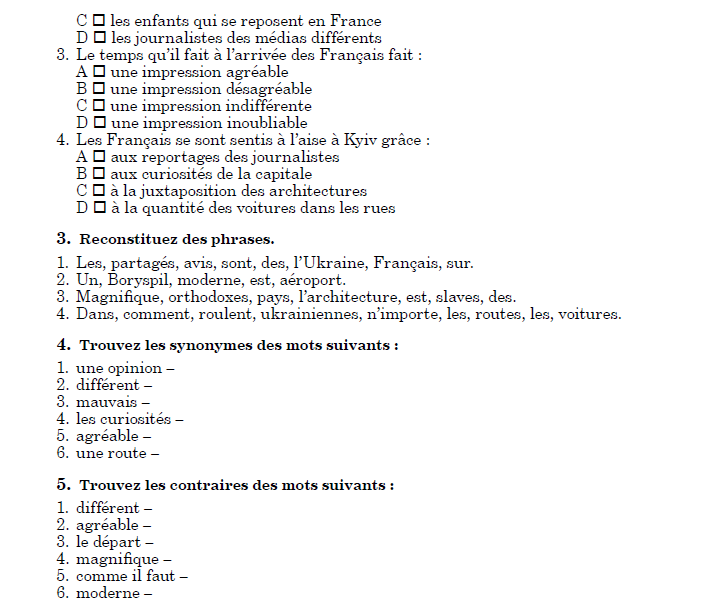
14 гр.
Тема: Відомі англійськи музеї.
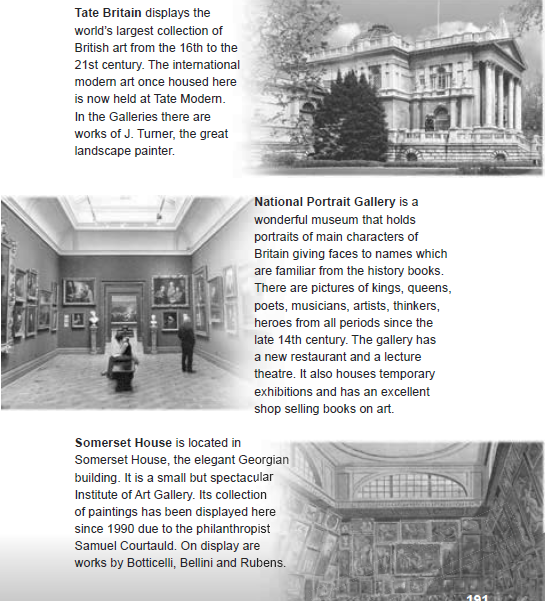
15.04.2020р.
Тема: Відомі українськи музеї.
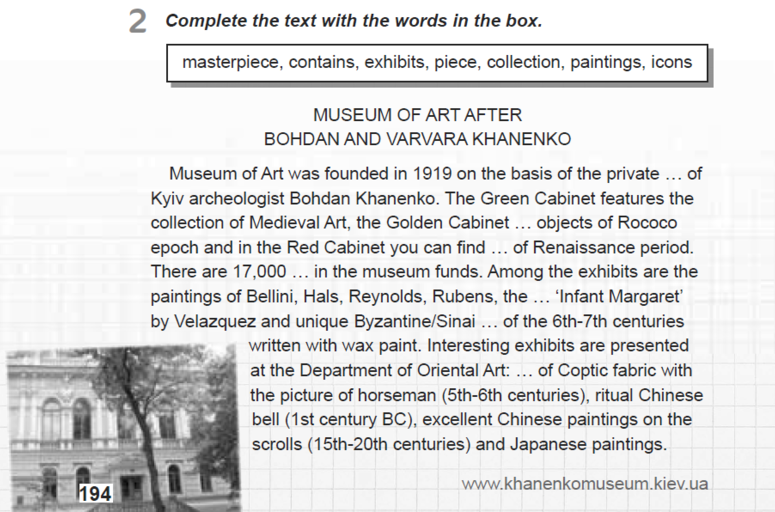
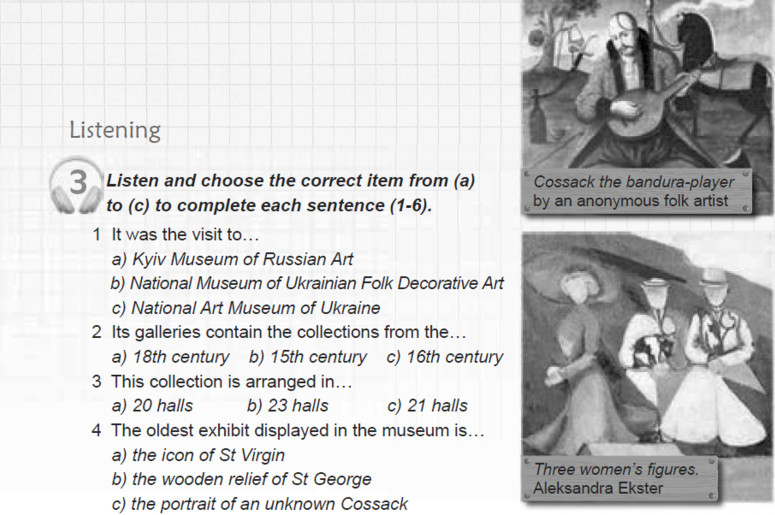
21 гр.
Тема: Сучасні засоби комунікації.
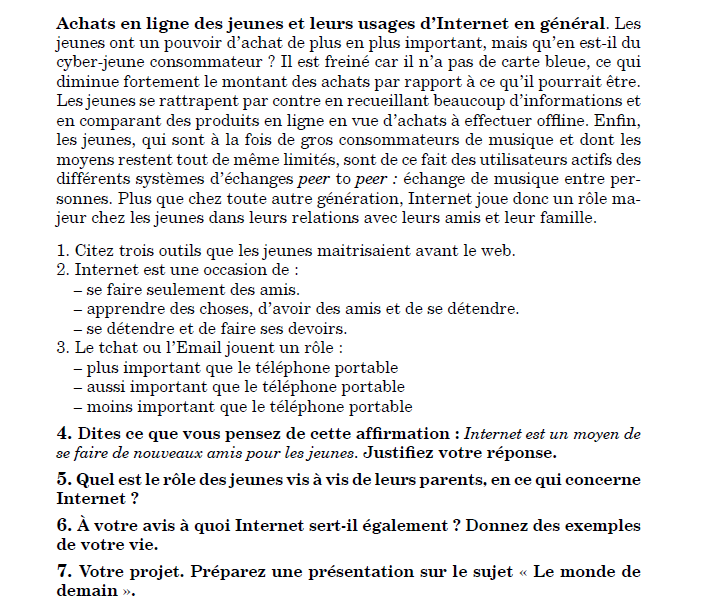
22 гр.
Тема: Часи дієслова. Пасивний час.
Що таке французький Passive Voice?
Голос є граматичним терміном , який вказує на відносини між суб’єктом і дієсловом. Є три різних голоси на французькою та англійською мовами. У пасивному голосі, дія описується дієслово робляться до суб’єкта агент, який зазвичай вводиться один з двох прийменників: 1. Коли дієслово виражає дію, агент вводиться з допомогою прийменника пара : Активне голос Девід доконаного ле ménage. Девід робить домашню роботу. Пасивний голос Le ménage Ест доконаним пар Девід. Дому робиться Девідом. Активний голос Lise освітлено ле лівр. Lise читає книгу. Пасивний голос Le Livre Ест лу пар Lise. Книга читається Lise. 2. Коли дієслово висловлює стан буття, агент або введений де або опущений повністю: Активний голос Tout Le Monde ле respecte. Кожен поважає його. Пасивний голос Il Est respecté де Tout Le Monde. Його поважають всі. Il Est éminemment respecté. Він користується великою повагою. Активний голос Mes Amis aiment ма mère.
Мої друзі люблять мою матір. Пасивний голос Ма mère Ест Еме де тез МАС. Моя мати любить моїх друзів.
Як Проспрягай французький Passive Voice
Пасивний голос формуються з парним дієсловом être + в причасті минулого часу . Минуле причастя має погодитися з суб’єктом, а не агент, в роді і числі, так само , як être дієслова в passé Compose ( більше про згоду ): Le Livre Ест écrit пар де lycéens. Книга написана високими школярами.
Що таке французький Passive Voice?
Голос є граматичним терміном , який вказує на відносини між суб’єктом і дієсловом. Є три різних голоси на французькою та англійською мовами. У пасивному голосі, дія описується дієслово робляться до суб’єкта агент, який зазвичай вводиться один з двох прийменників: 1. Коли дієслово виражає дію, агент вводиться з допомогою прийменника пара : Активне голос Девід доконаного ле ménage. Девід робить домашню роботу. Пасивний голос Le ménage Ест доконаним пар Девід. Дому робиться Девідом. Активний голос Lise освітлено ле лівр. Lise читає книгу. Пасивний голос Le Livre Ест лу пар Lise. Книга читається Lise. 2. Коли дієслово висловлює стан буття, агент або введений де або опущений повністю: Активний голос Tout Le Monde ле respecte. Кожен поважає його. Пасивний голос Il Est respecté де Tout Le Monde. Його поважають всі. Il Est éminemment respecté. Він користується великою повагою. Активний голос Mes Amis aiment ма mère.
Мої друзі люблять мою матір. Пасивний голос Ма mère Ест Еме де тез МАС. Моя мати любить моїх друзів.
Як Проспрягай французький Passive Voice
Пасивний голос формуються з парним дієсловом être + в причасті минулого часу . Минуле причастя має погодитися з суб’єктом, а не агент, в роді і числі, так само , як être дієслова в passé Compose ( більше про згоду ): Le Livre Ест écrit пар де lycéens. Книга написана високими школярами. La vaisselle Ест доконаним е п Henri. Страви зроблені Анрі. Les Enfants sont nourri з номінальною Luc. Діти харчуються Luc.
Для того, щоб використовувати французький пасивний голос в будь-якому іншому напруженому або настрої, просто пов’язаний être відповідно: | ||
|---|---|---|
| Активний голос | Пасивний стан |
Енн доконаним ла Тарт. Енн робить пиріг. | La Тарт Ест faite пар Енн. Пиріг зроблений Енн. | |
Енн доконаним ла Тарт. Енн зробила пиріг. | La Тарт été faite пар Енн. Пиріг був зроблений Енн. | |
Енн faisait ла Тарт. Енн робить пиріг. | La Тарт était faite пар Енн. Пиріг робився на Енн. | |
Енн Фера ла Тарт. Енн зробить пиріг. | La Тарт сироваток faite пар Енн. Пиріг буде зроблений Енн. | |
Je Veux qu’Anne fasse ла Тарт. Я хочу , щоб Енн , щоб зробити пиріг. | Je Veux дие чи Тарт Зоя faite пар Енн. Я хочу , щоб пиріг бути зроблені Енн. |
Як використовувати французький Passive Voice
Тепер, коли ви знаєте про приводи і агентів і як відмінювати пасивний голос, це до більш практичних питань. Французький пасивний голос може бути використаний з двох причин: А) Для того, щоб приділяти більше уваги на людину або речі , які виконують дії: Активний: Un Enfant в écrit з Livre. - Дитина написав цю книгу. Пасивний: З лівр été écrit пар ип Enfant. - Ця книга була написана дитиною. Б) Для того, щоб зосередити увагу на дії без ідентифікації виконавця: Жан в écrit з Livre. - Жан написав цю книгу. проти Il été écrit ан 1927. - Вона була написана в 1927 році.
Як уникнути французького Passive Voice
Французький пасивний голос має кілька формальний або літературний тон і використовується рідше , ніж на англійській мові. Є кілька альтернатив пасивного голосу (крім активного голосу):
A) Для того, щоб зосередити увагу на виконавця, використання C’est : Ce лівр été écrit пар ООН Enfant. > C’est ип Enfant квінкіес écrit з лівр. Ця книга була написана дитиною. > Це дитина , який написав цю книгу. Le запис été battu пар ипе Femme. > C’est іпа Гетта Квай battu ль запис. Запис було побито жінку. > Це жінка , яка поб’є рекорд. B) Для того, щоб уникнути ідентифікації виконавця, є два варіанти: 1. На (безособовий предмет займенник) Ce лівр été écrit ан 1927.> На écrit се Livre ан 1927. Ця книга була написана в 1927 році ILS ОНТ été pardonnés. > На ле pardonnés. Вони були звільнені.
La vaisselle Ест доконаним е п Henri. Страви зроблені Анрі. Les Enfants sont nourri з номінальною Luc. Діти харчуються Luc.
Для того, щоб використовувати французький пасивний голос в будь-якому іншому напруженому або настрої, просто пов’язаний être відповідно: | ||
|---|---|---|
| Активний голос | Пасивний стан |
Енн доконаним ла Тарт. Енн робить пиріг. | La Тарт Ест faite пар Енн. Пиріг зроблений Енн. | |
Енн доконаним ла Тарт. Енн зробила пиріг. | La Тарт été faite пар Енн. Пиріг був зроблений Енн. | |
Енн faisait ла Тарт. Енн робить пиріг. | La Тарт était faite пар Енн. Пиріг робився на Енн. | |
Енн Фера ла Тарт. Енн зробить пиріг. | La Тарт сироваток faite пар Енн. Пиріг буде зроблений Енн. | |
Je Veux qu’Anne fasse ла Тарт. Я хочу , щоб Енн , щоб зробити пиріг. | Je Veux дие чи Тарт Зоя faite пар Енн. Я хочу , щоб пиріг бути зроблені Енн. |
Як використовувати французький Passive Voice
Тепер, коли ви знаєте про приводи і агентів і як відмінювати пасивний голос, це до більш практичних питань. Французький пасивний голос може бути використаний з двох причин: А) Для того, щоб приділяти більше уваги на людину або речі , які виконують дії: Активний: Un Enfant в écrit з Livre. - Дитина написав цю книгу. Пасивний: З лівр été écrit пар ип Enfant. - Ця книга була написана дитиною. Б) Для того, щоб зосередити увагу на дії без ідентифікації виконавця: Жан в écrit з Livre. - Жан написав цю книгу. проти Il été écrit ан 1927. - Вона була написана в 1927 році.
Як уникнути французького Passive Voice
Французький пасивний голос має кілька формальний або літературний тон і використовується рідше , ніж на англійській мові. Є кілька альтернатив пасивного голосу (крім активного голосу):
A) Для того, щоб зосередити увагу на виконавця, використання C’est : Ce лівр été écrit пар ООН Enfant. > C’est ип Enfant квінкіес écrit з лівр. Ця книга була написана дитиною. > Це дитина , який написав цю книгу. Le запис été battu пар ипе Femme. > C’est іпа Гетта Квай battu ль запис. Запис було побито жінку. > Це жінка , яка поб’є рекорд. B) Для того, щоб уникнути ідентифікації виконавця, є два варіанти: 1. На (безособовий предмет займенник) Ce лівр été écrit ан 1927.> На écrit се Livre ан 1927. Ця книга була написана в 1927 році ILS ОНТ été pardonnés. > На ле pardonnés. Вони були звільнені.
16.04.2020р.
31 32 гр.
Тема: Контроль навичок аудіювання.
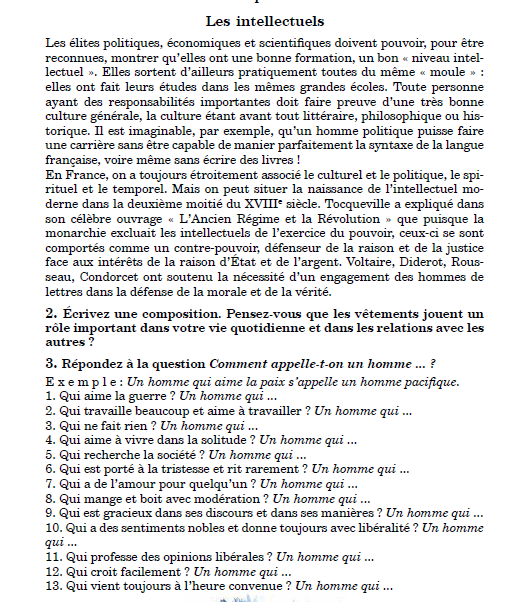
17.03.2020р.
12 гр.
Тема: Відвідування виставок та музеїв. Розвиток навичок читання та говоріння.
11гр.
Тема: Відомі англійськи музеї.
Тема: Відомі українськи музеї.
20.04.2020р.
21 гр.
Тема: Умовний спосіб
Категорія способу
Категорія способу є поряд з категоріями особи, числа, часу, стану і способу дії однією з основних дієслівних категорій.
Значення цієї категорії збігається у трьох зазначених мовах, що можна проілюструвати наведенням відповідних визначень:
фр.: «Le mode est la catégorie du verbe qui sert à marquer le rapport de l’action, exprimée par le verbe, à la réalité. Le fait, exprimé par le verbe, peut être présenté comme réel, supposé souhaité etc.» (Е.К. Никольская, Т.Я. Гольденберг).
укр.: “Категорія способу - це граматична категорія, що виражає відношення дії до дійсності, встановлюване тим, хто говорить”
рос.: “Наклонение - это грамматическая категория, обозначающая отношение действия к действительности, устанавливаемое говорящим лицом” (В.В. Виноградов)
З морфологічної точки зору, категорія способу – це система протиставлених один одному рядів форм, що виражають відношення дії до дійсності та мають значення реальності (дійсний спосіб), спонукання (наказовий спосіб), можливості або побажання (умовний спосіб).
Згідно з традиційним поглядом, у французькій мові виділяють чотири способи: indicatif, impératif, conditionnel, subjonctif. У російській мові також чотири – изъявительное, повелительное, условное и сослагательное наклонения. В українській мові найчастіше виділяють три способи дієслова: дійсний, наказовий та умовний. Лише деякі дослідники окремо розглядають бажальний спосіб. Згідно з традиційною точкою зору, його значення включаються в умовний спосіб. Дійсний спосіб є прямим, інші – непрямими.
Дійсний спосіб
Дієслова у дійсному способі виражають реальні дії (теперішній і минулий час), а також ірреальні дії, що не мають модального значення (майбутній час).
Морфологічними показниками дійсного способу є часові форми.
Французька мова характеризується досить розгалуженою системою часових форм у дійсному способі. Більшість дослідників виділяє 10 часів індикативу.
В українській та російській мовах лише три граматичні часи: теперішній, майбутній, минулий.
Особливістю французької мови у порівнянні з українською та російською є те, що окремі часові форми дійсного способу можуть мати модальні значення.
Так, futur simple може виражати наказ, припущення та ствердження у пом’якшеній формі;
іmparfait – вірогідну; можливу, але нереалізовану дію в минулому; бажання з відтінком жалю, пропозицію у пом’якшеній або ввічливій формі;
рlus-que-parfait може виражати припущення або вірогідність дії у минулому, жаль або засудження.
Відповідниками модальних значень французьких часових форм в українській та російській мовах є форми непрямих способів: наказового, умовного та бажального.
Умовний спосіб
Дієслова в умовному способі виражають дію, яка може відбутись лише за певних умов, а також бажану дію або ввічливе прохання.
В українській та російській мовах умовний спосіб утворюється за допомогою часток би, б (бы, б), та дієслівних форм минулого часу дійсного способу. Напр.: Грав би собі в м 'яча – Играл бы себе в мяч.
У французькій мові умовний спосіб (conditionnel) має два граматичні часи: теперішній (conditionnel présent) та минулий (conditionnel passé), які мають свої власні граматичні форми, що не збігаються з відповідними формами дійсного способу.
Напр.: Je partirais aujourd’hui si… Я б поїхав сьогодні, якби… Я бы уехал сегодня, если бы…
Je serais parti hier si… Я б поїхав вчора, якби… Я бы уехал вчера, если бы…
Умовний спосіб дієслів вживається у складнопідрядних реченнях з підрядним умови.
Для української і російської мов властиве вживання умовного способу як у головній, так і підрядній частинах складного речення, тоді як у французькій мові conditionnel вживається лише у головному реченні.
Пор.: S'il ne pleuvait pas j'irais voir mon ami. – Якби не було дощу, я б пішов провідати мого товариша. – Если бы не было дождя, я бы пошел навестить моего друга.
У простих реченнях дієслова в умовному способі можуть виражати бажання, ввічливе прохання, а також припущення.
Вираження дієсловом в умовному способі припущення властиве лише французькій мові. Пор.: 1) Je voudrais vous voir. – Я хотів би Вас побачити. – Я бы хотел Вас видеть. 2) Ne pourriez vous me donner votre adresse? – Чи не могли б Ви дати мені свою адресу? – Не могли бы Вы мне дать свой адрес? 3) Il pourrait être ici. – Він, можливо, тут. – Он, должно быть, здесь.
TRADUIRE EN FRANCAIS:
C’est ma plase?
Est-ce que ta chaise?
C’est sa veste?
Est ce ta plase?
Adele va a sa plase?
C’est sa mere?
Martha parle a son amie
Martha aime sa mere
Домашнє завдання: повторити тему.
Тема: Можливості комп’ютера
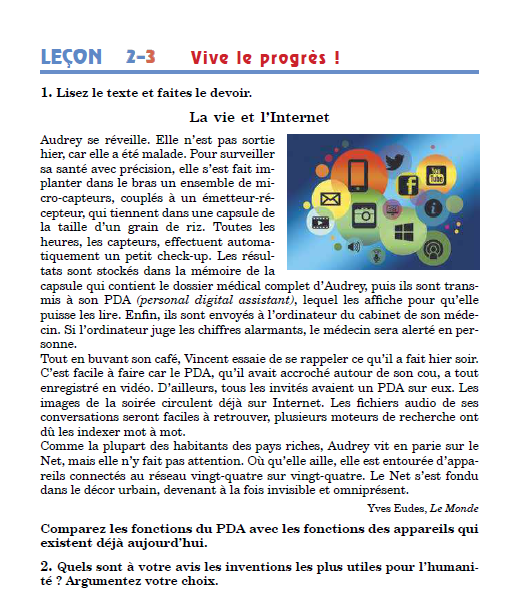
11 гр.
Тема: Відомі англійськи музеї.
21.04.2020р.
12 гр.
Тема: Відвідування галерей
Lesson Procedure
1) Look at the pictures and say which genre of painting you like most and why.
still life historical painting
landscape seascape
flower piece portrait
2) Read the poem and practise sentence stress.
Painting with words
Talk…Talk…
Subjects and perspective,
Views and light,
Canvas prepped and colours.
Looking deep…
Thinking…Analysing…
Finding the hidden colours,
Hidden views, hidden perspective,
Complements and contrast.
“Life is a great big canvas, and you should throw all the paint on it you can.”- Danny Kaye. Let’s see what “paints” you can “throw” at the part of the canvas responsible for your education and knowledge, by checking your homework. You had to make presentations or collages about modern art styles.
While listening to other groups’ presentation, write down two or three ideas of each style and at the end you’ll report what you have learnt and say which art style you like best.
Everyone did a great job. Now you know a lot about art styles. Today you are going to learn how to discuss works of art.
4) Look at the paintings. Do you know the artists? Do you know any other works by them?
(These paintings are by David Hockney, Pablo Picasso, Roy Lichtenstein and Wassily Kandinsky. Their works are called 1) “A Bigger Splash” (David Hockney), 2) “Improvisation 28” (Wassily Kandinsky), 3) “I Know…Brad” (Roy Lichtenstein), 4) “Guernica” (Pablo Picasso
David Hockney (born in 1937), an English painter and photographer, is famous for his satirical paintings and penetrating portraits. His style is naïve on purpose and he uses bright and flat acrylic colours. “A Bigger Splash” (1967) is one of his best known works.
Pablo Picasso (1881-1973), Spanish painter and sculptor, is considered by many people to be the most genial artist of the twentieth century. He was creative and prolific. He innovated styles and techniques and was the spinning wheel for many changes in twentieth century painting.
Roy Lichtenstein (1922) is a leading US painter of pop art. He pioneered the use of mass-media techniques in non- commercial art.
Wassily Kandinsky (1866-1944) was a Russian Expressionist painter. He painted the first purely abstract paintings in European art. His paintings are characterized by vivid colours and analogies to music
14 гр.
Тема: Читання фахової літератури
Listen and identify the paintings.
Tapescript
1. Well, I really like this picture- it’s easy to see what’s happening. I like the bright colours- of the girl’s blue dress and her blonde hair. I also like the round shapes in the picture. I think the topic is interesting too- the girl looks worried and she’s thinking about her boyfriend…
2. Personally, I think this one is good. It’s got very strong lines and you can almost feel the music. And the colours- they’re great- they’re really bright. I like abstract paintings because you have to use your own imagination to understand what the painter is trying to do.
3. This one’s my favourite. It shows the horrors of war really well- with the dark, dark colours and the terrible images. The lines and shapes are square and geometrical. They show violence and pain. Look at the horse and the mother with her dead child. It’s a very frightening painting.
Well, I think this one’s best. I really like the bright colours and the clear lines. I love the water in the swimming pool. It’s realistic but very simple at the same time.
8) Listen again. Why do the people like the paintings? Choose two of these reasons for each painting.
bright colours
dark colours
round shapes
square shapes
clear/ strong lines
Example 1 a/c
9) Which of these paintings is your favourite? Why do you like it? Talk about these things:
the style
the subject
the colours
the shapes and lines
10) Work in four groups. Each group should listen carefully to one of the four speakers for any extra information they give about their choice of painting and then each group should tell the class the extra information you remember.
11) Listen to the conversation between Jane and Phil which is happening in an art gallery.
Do they have the same tastes in painting?
Which paintings does Jane like? Which paintings does Phil like?

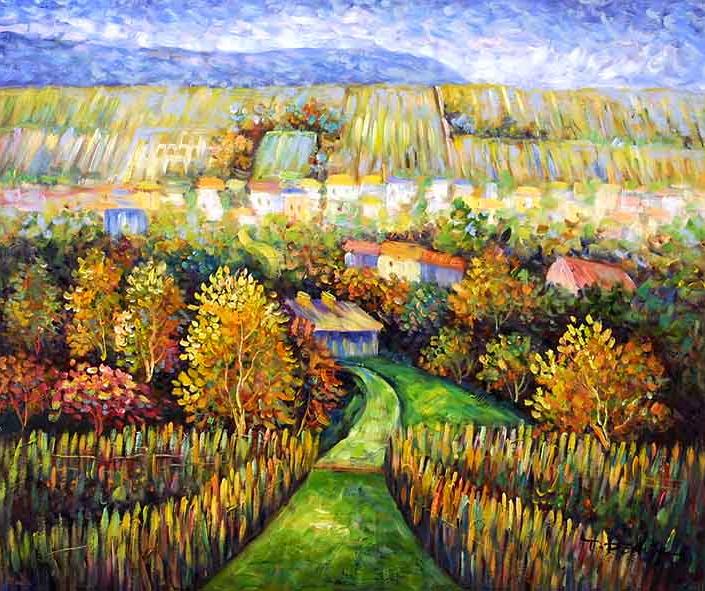
Phil: What do you think of this, Jane?
Jane: Ugh! I think it’s awful, I don’t like it at all.
Phil: Why on earth not? I think it’s fascinating.
Jane: It’s just a lot of funny black lines. It does nothing to me. Ah, but look! What a marvelous picture! All those gorgeous colours.
Phil: Do you really think so? Have you ever seen grass that colour? It’s terrible.
Jane: But it’s not supposed to be realistic. Anyway, let’s not argue. Do you like this one over here?
Phil: Oh, yes, fantastic. That’s what I call a painting.
12) Listen again and put these adjectives in the right order:
terrible, fantastic, fascinating, marvelous, gorgeous, awful
Can you think of other words expressing your attitude to pictures?
13) Write the adjectives in the correct column:
amazing annoying appalling atrocious attractive awesome awful beautiful boring brilliant dire dreadful fantastic fascinating gorgeous great incredible marvelous pathetic silly superb terrible wonderful | |
Positive | Negative |
14) Write a dialogue between Abigail and Freddie about one of the exhibitions. Write about the paintings, the subject, the colours.
Freddie What did you think of……………….?
Abigail It was………………………………....
Freddie What about the………………………?
Abigail The ……..was/were………………….
Freddie And………………………………….?
Abigail I …………….., but…………………..
Freddie ……………………………………....?
Abigail ……………………………………….
Freddie Would you…………………………..?
Abigail ……………………………………….
15) At home you’ll have to make up a similar dialogue. You can bring some pictures of the paintings so that everyone could see what pictures you are talking about.
22.04.2020 р.
14 гр.
Тема: Лексико-граматичний тест.
Grammar practice
Work with the pictures.
Look at these two pictures. One shows Mrs Pyle’s house before it was hit by a hurricane. The other shows the house after the hurricane. Write about what happened. Use the underlined verbs in the passive voice and the past tense.
Break damage injure shatter blow away destroy knock over
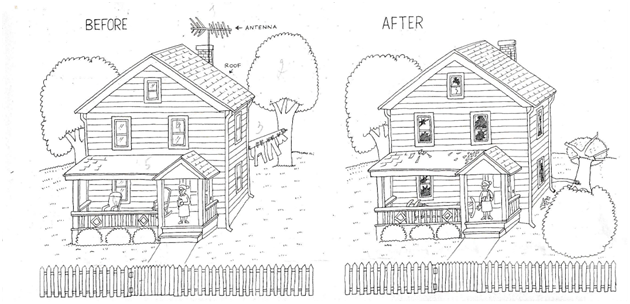
Last night there was a terrible hurricane. The wind was so strong that the windows of Mrs Pyle’s house were shattered. The TV antenna ------------------------------------------------------------------------------------------------------------------------------------------------------------------------------------------------------------------------------------------------------------------------------------------------------------------------Fortunately, the roof ---------------------------------------------------------------------------------------------------It was frightening, but things might have been much worse.
2.Work with the text.
Open your books at page 61. Find the exercise 17. Read the text and rewrite the highlighted sentences in the passive.
Let’s check up.
3.Translation (orally)
Take the worksheets with the sentences in Ukrainian. Translate the underlined words into English orally.
Mайамі зазнало сильного буревію сьогодні вранці.
Очикується, що погані погодні умови будуть продовжуватись ще декілька днів.
Багато людей залишились без крівлі над головою.
Ураган зносить дерева і дома.
Багато людей було поранено під час урагану вчора.
Ще більше жертв очикується у наступні декілька днів.
Дім зазнав удару молнії.
Про землетрус повідомили о 7 ранку.
Електричні проводи були порвані але телефонна служба не була перервана.
Багато доріг все ще заблоковані і запаси їжі швидко закінчуються.
Тих, хто вижив доставляють у госпіталь.
Поранених лікують доктора Червоного Хреста.
Ніяких ушкоджень, як повідомили,не було у прилеглих районах.
While the children are doing the exercise the teacher can make some comments:
Excellent! Well done! Yes, that’s right. That’s better. That’s nearly right-- try again. Not quite right---will someone else try.
Homework: Finish the exercise, we have been doing, for homework, please.
I want you to translate the sentences into English. I think it’s a challenging task but I suppose you will cope.
24.04.2020 р
11 гр..
Тема: Читання фахової літератури
Listen and identify the paintings.
Tapescript
1. Well, I really like this picture- it’s easy to see what’s happening. I like the bright colours- of the girl’s blue dress and her blonde hair. I also like the round shapes in the picture. I think the topic is interesting too- the girl looks worried and she’s thinking about her boyfriend…
2. Personally, I think this one is good. It’s got very strong lines and you can almost feel the music. And the colours- they’re great- they’re really bright. I like abstract paintings because you have to use your own imagination to understand what the painter is trying to do.
3. This one’s my favourite. It shows the horrors of war really well- with the dark, dark colours and the terrible images. The lines and shapes are square and geometrical. They show violence and pain. Look at the horse and the mother with her dead child. It’s a very frightening painting.
Well, I think this one’s best. I really like the bright colours and the clear lines. I love the water in the swimming pool. It’s realistic but very simple at the same time.
8) Listen again. Why do the people like the paintings? Choose two of these reasons for each painting.
bright colours
dark colours
round shapes
square shapes
clear/ strong lines
Example 1 a/c
9) Which of these paintings is your favourite? Why do you like it? Talk about these things:
the style
the subject
the colours
the shapes and lines
10) Work in four groups. Each group should listen carefully to one of the four speakers for any extra information they give about their choice of painting and then each group should tell the class the extra information you remember.
11) Listen to the conversation between Jane and Phil which is happening in an art gallery.
Do they have the same tastes in painting?
Which paintings does Jane like? Which paintings does Phil like?
Phil: What do you think of this, Jane?
Jane: Ugh! I think it’s awful, I don’t like it at all.
Phil: Why on earth not? I think it’s fascinating.
Jane: It’s just a lot of funny black lines. It does nothing to me. Ah, but look! What a marvelous picture! All those gorgeous colours.
Phil: Do you really think so? Have you ever seen grass that colour? It’s terrible.
Jane: But it’s not supposed to be realistic. Anyway, let’s not argue. Do you like this one over here?
Phil: Oh, yes, fantastic. That’s what I call a painting.
12) Listen again and put these adjectives in the right order:
terrible, fantastic, fascinating, marvelous, gorgeous, awful
Can you think of other words expressing your attitude to pictures?
13) Write the adjectives in the correct column:
amazing annoying appalling atrocious attractive awesome awful beautiful boring brilliant dire dreadful fantastic fascinating gorgeous great incredible marvelous pathetic silly superb terrible wonderful | |
Positive | Negative |
14) Write a dialogue between Abigail and Freddie about one of the exhibitions. Write about the paintings, the subject, the colours.
Freddie What did you think of……………….?
Abigail It was………………………………....
Freddie What about the………………………?
Abigail The ……..was/were………………….
Freddie And………………………………….?
Abigail I …………….., but…………………..
Freddie ……………………………………....?
Abigail ……………………………………….
Freddie Would you…………………………..?
Abigail ……………………………………….
15) At home you’ll have to make up a similar dialogue. You can bring some pictures of the paintings so that everyone could see what pictures you are talking about.
12 гр.
Тема: Відомі англійські художники. Питальні речення.
27.04.2020р.
21 гр.
Тема: Числівники
Представляємо Вашій увазі французькі цифри.
Від 0 до 19
0
zéro
1
un
2
deux
3
trois
4
quatre
5
cinq
6
six
7
sept
8
huit
9
neuf
10
dix
11
onze
12
douze
13
treize
14
quatorze
15
quinze
16
seize
17
dix-sept
18
dix-huit
19
dix-neuf
Від 20 до 59
20
vingt
21
vingt et un
22
vingt-deux
23
vingt-trois
24
vingt-quatre
25
vingt-cinq
26
vingt-six
27
vingt-sept
28
vingt-huit
29
vingt-neuf
30
trente
40
quarante
50
cinquante
Від 60 до 79
У французькій мові немає самостійного слова сімдесят (70), замість цього використовується слово шістдесят soіxante (60) і додається слово десять dіx (10), і виходить 70 – soіxante- dіx. А щоб сказати 71, 72, 73 і так до 80, до слова 60 (soіxante) додаємо 11, 12, 13, 14 і так далі, наприклад : 71 (soіxante et onze), де onze – 11. Дивіться і слухайте цифри нижче.
60
soixante
70
soixante-dix
71
soixante et onze
72
soixante-douze
73
soixante-treize
Від 80 до 99
У французькій мові також немає свого слова для позначення цифри 80. Замість цього використовується слово quatre- vіngts, що дослівно значить: чотири рази по двадцять. Далі рахують як і інші цифри, додаються цифри від 1 до 9, через дефіс, наприклад : 82 – quatre-vіngt- deux.
Для цифри 90, використовується вже відома конструкція quatre- vіngts і додається слово 10 (dіx), як і у правилі формування цифри 70 від цифри 60. Щоб порахувати від 91 до 99, використовуємо 11, 12, 13, 14 і т.д. через дефіс, наприклад 93 – quatre-vіngt- treіze.
80
quatre-vingts
81
quatre-vingt-un
90
quatre-vingt-dix
93
quatre-vingt-treize
Від 100 і вище
100
cent
101
cent un
125
cent vingt-cinq
200
deux cents
201
deux cent un
1000
mille
2000
deux mille
1 000 000
un million
мільярд
un milliard .
Devoir. Повторити тему.
Тема: Умовний спосіб.
Категорія способу
Категорія способу є поряд з категоріями особи, числа, часу, стану і способу дії однією з основних дієслівних категорій.
Значення цієї категорії збігається у трьох зазначених мовах, що можна проілюструвати наведенням відповідних визначень:
фр.: «Le mode est la catégorie du verbe qui sert à marquer le rapport de l’action, exprimée par le verbe, à la réalité. Le fait, exprimé par le verbe, peut être présenté comme réel, supposé souhaité etc.» (Е.К. Никольская, Т.Я. Гольденберг).
укр.: “Категорія способу - це граматична категорія, що виражає відношення дії до дійсності, встановлюване тим, хто говорить”
рос.: “Наклонение - это грамматическая категория, обозначающая отношение действия к действительности, устанавливаемое говорящим лицом” (В.В. Виноградов)
З морфологічної точки зору, категорія способу – це система протиставлених один одному рядів форм, що виражають відношення дії до дійсності та мають значення реальності (дійсний спосіб), спонукання (наказовий спосіб), можливості або побажання (умовний спосіб).
Згідно з традиційним поглядом, у французькій мові виділяють чотири способи: indicatif, impératif, conditionnel, subjonctif. У російській мові також чотири – изъявительное, повелительное, условное и сослагательное наклонения. В українській мові найчастіше виділяють три способи дієслова: дійсний, наказовий та умовний. Лише деякі дослідники окремо розглядають бажальний спосіб. Згідно з традиційною точкою зору, його значення включаються в умовний спосіб. Дійсний спосіб є прямим, інші – непрямими.
Дійсний спосіб
Дієслова у дійсному способі виражають реальні дії (теперішній і минулий час), а також ірреальні дії, що не мають модального значення (майбутній час).
Морфологічними показниками дійсного способу є часові форми.
Французька мова характеризується досить розгалуженою системою часових форм у дійсному способі. Більшість дослідників виділяє 10 часів індикативу.
В українській та російській мовах лише три граматичні часи: теперішній, майбутній, минулий.
Особливістю французької мови у порівнянні з українською та російською є те, що окремі часові форми дійсного способу можуть мати модальні значення.
Так, futur simple може виражати наказ, припущення та ствердження у пом’якшеній формі;
іmparfait – вірогідну; можливу, але нереалізовану дію в минулому; бажання з відтінком жалю, пропозицію у пом’якшеній або ввічливій формі;
рlus-que-parfait може виражати припущення або вірогідність дії у минулому, жаль або засудження.
Відповідниками модальних значень французьких часових форм в українській та російській мовах є форми непрямих способів: наказового, умовного та бажального.
Умовний спосіб
Дієслова в умовному способі виражають дію, яка може відбутись лише за певних умов, а також бажану дію або ввічливе прохання.
В українській та російській мовах умовний спосіб утворюється за допомогою часток би, б (бы, б), та дієслівних форм минулого часу дійсного способу. Напр.: Грав би собі в м 'яча – Играл бы себе в мяч.
У французькій мові умовний спосіб (conditionnel) має два граматичні часи: теперішній (conditionnel présent) та минулий (conditionnel passé), які мають свої власні граматичні форми, що не збігаються з відповідними формами дійсного способу.
Напр.: Je partirais aujourd’hui si… Я б поїхав сьогодні, якби… Я бы уехал сегодня, если бы…
Je serais parti hier si… Я б поїхав вчора, якби… Я бы уехал вчера, если бы…
Умовний спосіб дієслів вживається у складнопідрядних реченнях з підрядним умови.
Для української і російської мов властиве вживання умовного способу як у головній, так і підрядній частинах складного речення, тоді як у французькій мові conditionnel вживається лише у головному реченні.
Пор.: S'il ne pleuvait pas j'irais voir mon ami. – Якби не було дощу, я б пішов провідати мого товариша. – Если бы не было дождя, я бы пошел навестить моего друга.
У простих реченнях дієслова в умовному способі можуть виражати бажання, ввічливе прохання, а також припущення.
Вираження дієсловом в умовному способі припущення властиве лише французькій мові. Пор.: 1) Je voudrais vous voir. – Я хотів би Вас побачити. – Я бы хотел Вас видеть. 2) Ne pourriez vous me donner votre adresse? – Чи не могли б Ви дати мені свою адресу? – Не могли бы Вы мне дать свой адрес? 3) Il pourrait être ici. – Він, можливо, тут. – Он, должно быть, здесь.
11 гр.
Тема: Читання фахової літератури
Listen and identify the paintings.
Tapescript
1. Well, I really like this picture- it’s easy to see what’s happening. I like the bright colours- of the girl’s blue dress and her blonde hair. I also like the round shapes in the picture. I think the topic is interesting too- the girl looks worried and she’s thinking about her boyfriend…
2. Personally, I think this one is good. It’s got very strong lines and you can almost feel the music. And the colours- they’re great- they’re really bright. I like abstract paintings because you have to use your own imagination to understand what the painter is trying to do.
3. This one’s my favourite. It shows the horrors of war really well- with the dark, dark colours and the terrible images. The lines and shapes are square and geometrical. They show violence and pain. Look at the horse and the mother with her dead child. It’s a very frightening painting.
Well, I think this one’s best. I really like the bright colours and the clear lines. I love the water in the swimming pool. It’s realistic but very simple at the same time.
8) Listen again. Why do the people like the paintings? Choose two of these reasons for each painting.
bright colours
dark colours
round shapes
square shapes
clear/ strong lines
Example 1 a/c
9) Which of these paintings is your favourite? Why do you like it? Talk about these things:
the style
the subject
the colours
the shapes and lines
10) Work in four groups. Each group should listen carefully to one of the four speakers for any extra information they give about their choice of painting and then each group should tell the class the extra information you remember.
11) Listen to the conversation between Jane and Phil which is happening in an art gallery.
Do they have the same tastes in painting?
Which paintings does Jane like? Which paintings does Phil like?
Phil: What do you think of this, Jane?
Jane: Ugh! I think it’s awful, I don’t like it at all.
Phil: Why on earth not? I think it’s fascinating.
Jane: It’s just a lot of funny black lines. It does nothing to me. Ah, but look! What a marvelous picture! All those gorgeous colours.
Phil: Do you really think so? Have you ever seen grass that colour? It’s terrible.
Jane: But it’s not supposed to be realistic. Anyway, let’s not argue. Do you like this one over here?
Phil: Oh, yes, fantastic. That’s what I call a painting.
12) Listen again and put these adjectives in the right order:
terrible, fantastic, fascinating, marvelous, gorgeous, awful
Can you think of other words expressing your attitude to pictures?
13) Write the adjectives in the correct column:
amazing annoying appalling atrocious attractive awesome awful beautiful boring brilliant dire dreadful fantastic fascinating gorgeous great incredible marvelous pathetic silly superb terrible wonderful | |
Positive | Negative |
14) Write a dialogue between Abigail and Freddie about one of the exhibitions. Write about the paintings, the subject, the colours.
Freddie What did you think of……………….?
Abigail It was………………………………....
Freddie What about the………………………?
Abigail The ……..was/were………………….
Freddie And………………………………….?
Abigail I …………….., but…………………..
Freddie ……………………………………....?
Abigail ……………………………………….
Freddie Would you…………………………..?
Abigail ……………………………………….
15) At home you’ll have to make up a similar dialogue. You can bring some pictures of the paintings so that everyone could see what pictures you are talking about.
14 гр.
Тема: Повторення вивченого матеріалу.
28.04.2020 р.
12 гр.
Тема: Відомі англійськи музеї.
14 гр.
Тема: Узагальнення матеріалу.
28.04.2020 р.
12 гр.
Тема: Відомі англійськи музеї.
14 гр.
Тема: Лексично-граматичний тест.
04.05.2020р.
21 гр.
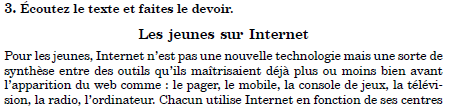
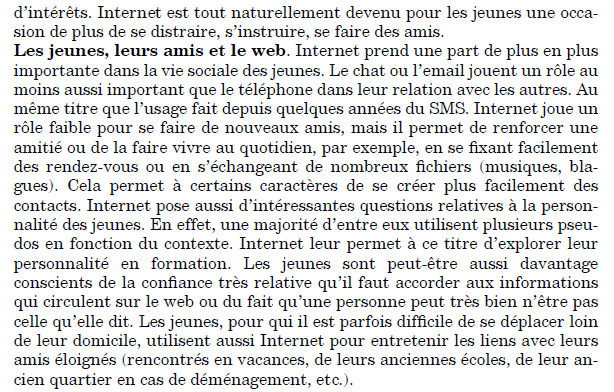
Тема: Інтернет спілкування.
Тема: Узгодження часів після умовного спопобу.
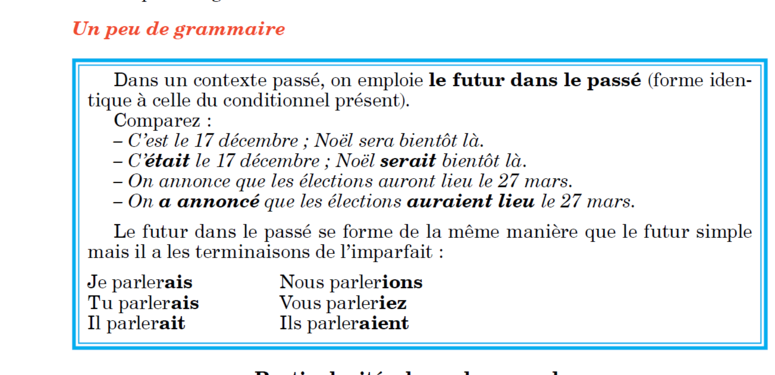
Imparfait de l’indicatif утворюється таким чином: до кореня дієслова у 1-й ос. мн. indicatif présent додаються відповідні закінчення для конкретних осіб:
je | (nous) parlons (nous) finissons (nous) partons | + | ais |
tu | ais | ||
il/elle/on | ait | ||
nous | ions | ||
vous | iez | ||
ils/elles | aient |
| parler (nous parlons) | finir (nous finissons) | partir (nous partons) |
je | parlais | finissais | partais |
tu | parlais | finissais | partais |
il/elle/on | parlait | finissait | partait |
nous | parlions | finissions | partions |
vous | parliez | finissiez | partiez |
ils/elles | parlaient | finissaient | partaient |
Винятком щодо відмінювання в imparfait є дієслово être, яке не утворюється від кореня дієслова у 3-й ос. мн. indicatif présent (nous sommes):
| être |
j’ | étais |
tu | étais |
il/elle/on | était |
nous | étions |
vous | étiez |
ils/elles | étaient |
Варто зауважити такі нюанси, щодо яких часто можуть виникати помилки:
У дієсловах, корінь яких у 1-й ос. мн. indicatif présent закінчується на літеру i або y, буквосполучення ill або gn, слід не забувати писати літеру i в закінченнях 1-ї (-ions) та 2-ї ос. мн. (-iez). Уподібнення написання до вимови без літери i в закінченнях наведених осіб є поширеною помилкою.
prier: je priais, tu priais, il priait, nous priions, vous priiez, ils priaient
croire: je croyais, tu croyais, il croyait, nous croyions, vous croyiez, ils croyaient
cueillir: je cueillais, tu cueillais, il cueillait, nous cueillions, vous cueilliez, ils cueillaient
craindre: je craignais, tu craignais, il craignait, nous craignions, vous craigniez, ils craignaient
Якщо закінченню дієслова в інфінітиві передує літера c, для збереження звука [s] замість [k] перед закінченнями imparfait, що починаються на літеру a (в усіх особах однини та 3-й ос. мн.), до літери c додається діакритичний знак cédille.
commencer: je commençais, tu commençais, il commençait, nous commencions, vous commenciez, ils commençaient
Якщо закінченню дієслова в інфінітиві передує літера g, для збереження звука [ʒ] замість [ɡ] перед закінченнями imparfait, що починаються на літеру a (в усіх особах однини та 3-й ос. мн.), додається літера e.
manger: je mangeais, tu mangeais, il mangeait, nous mangions, vous mangiez, ils mangeaient
У дієсловах, що закінчуються на -eler або -eter, літери l і t відповідно перед закінченнями imparfait ніколи не подвоюються.
appeler: j’appelais, tu appelais, il appelait, nous appelions, vous appeliez, ils appelaient
jeter: je jetais, tu jetais, il jetait, nous jetions, vous jetiez, ils jetaient
Дієслово asseoir, яке в 1-й ос. мн. indicatif présent має форми assoyons і asseyons, в усіх особах imparfait також має дві форми відповідно.
asseoir: j’assoyais / asseyais, tu assoyais / asseyais, il assoyait / asseyait, nous assoyions / asseyions, vous assoyiez / asseyiez, ils assoyaient / asseyaient.
Тема : Пори року. Місяці.
Пори року і місяці французькою мовою
Вивчаємо назви пір року і місяців французькою мовою
Пори року французькою мовою
зима
hiver
весна
printemps
літо
été
осінь
automne
Назви місяців французькою мовою
січень
janvier
лютий
février
березень
mars
квітень
avril
травень
mai
червень
juin
липень
juillet
серпень
août
вересень
septembre
жовтень
octobre
листопад
novembre
грудень
décembre
11 гр.
Тема: Лексико-граматичний тест.
Grammar practice
Work with the pictures.
Look at these two pictures. One shows Mrs Pyle’s house before it was hit by a hurricane. The other shows the house after the hurricane. Write about what happened. Use the underlined verbs in the passive voice and the past tense.
Break damage injure shatter blow away destroy knock over
Last night there was a terrible hurricane. The wind was so strong that the windows of Mrs Pyle’s house were shattered. The TV antenna ------------------------------------------------------------------------------------------------------------------------------------------------------------------------------------------------------------------------------------------------------------------------------------------------------------------------Fortunately, the roof ---------------------------------------------------------------------------------------------------It was frightening, but things might have been much worse.
2.Work with the text.
Open your books at page 61. Find the exercise 17. Read the text and rewrite the highlighted sentences in the passive.
Let’s check up.
3.Translation (orally)
Take the worksheets with the sentences in Ukrainian. Translate the underlined words into English orally.
Mайамі зазнало сильного буревію сьогодні вранці.
Очикується, що погані погодні умови будуть продовжуватись ще декілька днів.
Багато людей залишились без крівлі над головою.
Ураган зносить дерева і дома.
Багато людей було поранено під час урагану вчора.
Ще більше жертв очикується у наступні декілька днів.
Дім зазнав удару молнії.
Про землетрус повідомили о 7 ранку.
Електричні проводи були порвані але телефонна служба не була перервана.
Багато доріг все ще заблоковані і запаси їжі швидко закінчуються.
Тих, хто вижив доставляють у госпіталь.
Поранених лікують доктора Червоного Хреста.
Ніяких ушкоджень, як повідомили,не було у прилеглих районах.
While the children are doing the exercise the teacher can make some comments:
Excellent! Well done! Yes, that’s right. That’s better. That’s nearly right-- try again. Not quite right---will someone else try.
Homework: Finish the exercise, we have been doing, for homework, please.
I want you to translate the sentences into English. I think it’s a challenging task but I suppose you will cope.
05.05.2020 р.
12 гр.
Тема: Відомі українськи музеї.
12.05.2020 р.
12 гр.
Тема: Читання фахової літератури
Listen and identify the paintings.
Tapescript
1. Well, I really like this picture- it’s easy to see what’s happening. I like the bright colours- of the girl’s blue dress and her blonde hair. I also like the round shapes in the picture. I think the topic is interesting too- the girl looks worried and she’s thinking about her boyfriend…
2. Personally, I think this one is good. It’s got very strong lines and you can almost feel the music. And the colours- they’re great- they’re really bright. I like abstract paintings because you have to use your own imagination to understand what the painter is trying to do.
3. This one’s my favourite. It shows the horrors of war really well- with the dark, dark colours and the terrible images. The lines and shapes are square and geometrical. They show violence and pain. Look at the horse and the mother with her dead child. It’s a very frightening painting.
Well, I think this one’s best. I really like the bright colours and the clear lines. I love the water in the swimming pool. It’s realistic but very simple at the same time.
8) Listen again. Why do the people like the paintings? Choose two of these reasons for each painting.
bright colours
dark colours
round shapes
square shapes
clear/ strong lines
Example 1 a/c
9) Which of these paintings is your favourite? Why do you like it? Talk about these things:
the style
the subject
the colours
the shapes and lines
10) Work in four groups. Each group should listen carefully to one of the four speakers for any extra information they give about their choice of painting and then each group should tell the class the extra information you remember.
11) Listen to the conversation between Jane and Phil which is happening in an art gallery.
Do they have the same tastes in painting?
Which paintings does Jane like? Which paintings does Phil like?
Phil: What do you think of this, Jane?
Jane: Ugh! I think it’s awful, I don’t like it at all.
Phil: Why on earth not? I think it’s fascinating.
Jane: It’s just a lot of funny black lines. It does nothing to me. Ah, but look! What a marvelous picture! All those gorgeous colours.
Phil: Do you really think so? Have you ever seen grass that colour? It’s terrible.
Jane: But it’s not supposed to be realistic. Anyway, let’s not argue. Do you like this one over here?
Phil: Oh, yes, fantastic. That’s what I call a painting.
12) Listen again and put these adjectives in the right order:
terrible, fantastic, fascinating, marvelous, gorgeous, awful
Can you think of other words expressing your attitude to pictures?
13) Write the adjectives in the correct column:
amazing annoying appalling atrocious attractive awesome awful beautiful boring brilliant dire dreadful fantastic fascinating gorgeous great incredible marvelous pathetic silly superb terrible wonderful | |
Positive | Negative |
14) Write a dialogue between Abigail and Freddie about one of the exhibitions. Write about the paintings, the subject, the colours.
Freddie What did you think of……………….?
Abigail It was………………………………....
Freddie What about the………………………?
Abigail The ……..was/were………………….
Freddie And………………………………….?
Abigail I …………….., but…………………..
Freddie ……………………………………....?
Abigail ……………………………………….
Freddie Would you…………………………..?
Abigail ……………………………………….
15) At home you’ll have to make up a similar dialogue. You can bring some pictures
of the paintings so that everyone could see what pictures you are talking about.
20.05.2020р.
21гр.
Тема: Умовний спосіб
Категорія способу
Категорія способу є поряд з категоріями особи, числа, часу, стану і способу дії однією з основних дієслівних категорій.
Значення цієї категорії збігається у трьох зазначених мовах, що можна проілюструвати наведенням відповідних визначень:
фр.: «Le mode est la catégorie du verbe qui sert à marquer le rapport de l’action, exprimée par le verbe, à la réalité. Le fait, exprimé par le verbe, peut être présenté comme réel, supposé souhaité etc.» (Е.К. Никольская, Т.Я. Гольденберг).
укр.: “Категорія способу - це граматична категорія, що виражає відношення дії до дійсності, встановлюване тим, хто говорить”
рос.: “Наклонение - это грамматическая категория, обозначающая отношение действия к действительности, устанавливаемое говорящим лицом” (В.В. Виноградов)
З морфологічної точки зору, категорія способу – це система протиставлених один одному рядів форм, що виражають відношення дії до дійсності та мають значення реальності (дійсний спосіб), спонукання (наказовий спосіб), можливості або побажання (умовний спосіб).
Згідно з традиційним поглядом, у французькій мові виділяють чотири способи: indicatif, impératif, conditionnel, subjonctif. У російській мові також чотири – изъявительное, повелительное, условное и сослагательное наклонения. В українській мові найчастіше виділяють три способи дієслова: дійсний, наказовий та умовний. Лише деякі дослідники окремо розглядають бажальний спосіб. Згідно з традиційною точкою зору, його значення включаються в умовний спосіб. Дійсний спосіб є прямим, інші – непрямими.
Дійсний спосіб
Дієслова у дійсному способі виражають реальні дії (теперішній і минулий час), а також ірреальні дії, що не мають модального значення (майбутній час).
Морфологічними показниками дійсного способу є часові форми.
Французька мова характеризується досить розгалуженою системою часових форм у дійсному способі. Більшість дослідників виділяє 10 часів індикативу.
В українській та російській мовах лише три граматичні часи: теперішній, майбутній, минулий.
Особливістю французької мови у порівнянні з українською та російською є те, що окремі часові форми дійсного способу можуть мати модальні значення.
Так, futur simple може виражати наказ, припущення та ствердження у пом’якшеній формі;
іmparfait – вірогідну; можливу, але нереалізовану дію в минулому; бажання з відтінком жалю, пропозицію у пом’якшеній або ввічливій формі;
рlus-que-parfait може виражати припущення або вірогідність дії у минулому, жаль або засудження.
Відповідниками модальних значень французьких часових форм в українській та російській мовах є форми непрямих способів: наказового, умовного та бажального.
Умовний спосіб
Дієслова в умовному способі виражають дію, яка може відбутись лише за певних умов, а також бажану дію або ввічливе прохання.
В українській та російській мовах умовний спосіб утворюється за допомогою часток би, б (бы, б), та дієслівних форм минулого часу дійсного способу. Напр.: Грав би собі в м 'яча – Играл бы себе в мяч.
У французькій мові умовний спосіб (conditionnel) має два граматичні часи: теперішній (conditionnel présent) та минулий (conditionnel passé), які мають свої власні граматичні форми, що не збігаються з відповідними формами дійсного способу.
Напр.: Je partirais aujourd’hui si… Я б поїхав сьогодні, якби… Я бы уехал сегодня, если бы…
Je serais parti hier si… Я б поїхав вчора, якби… Я бы уехал вчера, если бы…
Умовний спосіб дієслів вживається у складнопідрядних реченнях з підрядним умови.
Для української і російської мов властиве вживання умовного способу як у головній, так і підрядній частинах складного речення, тоді як у французькій мові conditionnel вживається лише у головному реченні.
Пор.: S'il ne pleuvait pas j'irais voir mon ami. – Якби не було дощу, я б пішов провідати мого товариша. – Если бы не было дождя, я бы пошел навестить моего друга.
У простих реченнях дієслова в умовному способі можуть виражати бажання, ввічливе прохання, а також припущення.
Вираження дієсловом в умовному способі припущення властиве лише французькій мові. Пор.: 1) Je voudrais vous voir. – Я хотів би Вас побачити. – Я бы хотел Вас видеть. 2) Ne pourriez vous me donner votre adresse? – Чи не могли б Ви дати мені свою адресу? – Не могли бы Вы мне дать свой адрес? 3) Il pourrait être ici. – Він, можливо, тут. – Он, должно быть, здесь.
TRADUIRE EN FRANCAIS:
C’est ma plase?
Est-ce que ta chaise?
C’est sa veste?
Est ce ta plase?
Adele va a sa plase?
C’est sa mere?
Martha parle a son amie
Martha aime sa mere
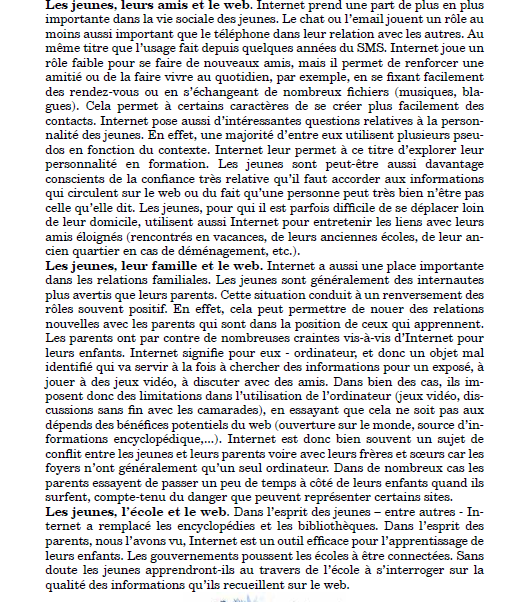
Тема: Інтернет
27.04.2020 р.
21 гр.
Тема :
Тема: Часи дієслова. Пасивний час.
Що таке французький Passive Voice
Як уникнути французького Passive Voice
A) Для того, щоб зосередити увагу на виконавця, використання C’est : Ce лівр été écrit пар ООН Enfant. > C’est ип Enfant квінкіес écrit з лівр. Ця книга була написана дитиною. > Це дитина , який написав цю книгу. Le запис été battu пар ипе Femme. > C’est іпа Гетта Квай battu ль запис. Запис було побито жінку. > Це жінка , яка поб’є рекорд. B) Для того, щоб уникнути ідентифікації виконавця, є два варіанти: 1. На (безособовий предмет займенник) Ce лівр été écrit ан 1927.> На écrit се Livre ан
Тема: Найбільші винаходи людства.
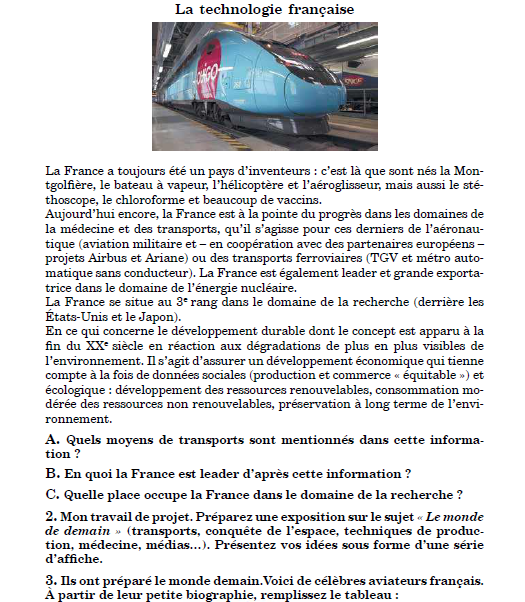
Тема: Повторення вивченого матеріалу
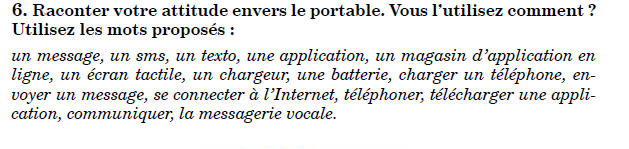
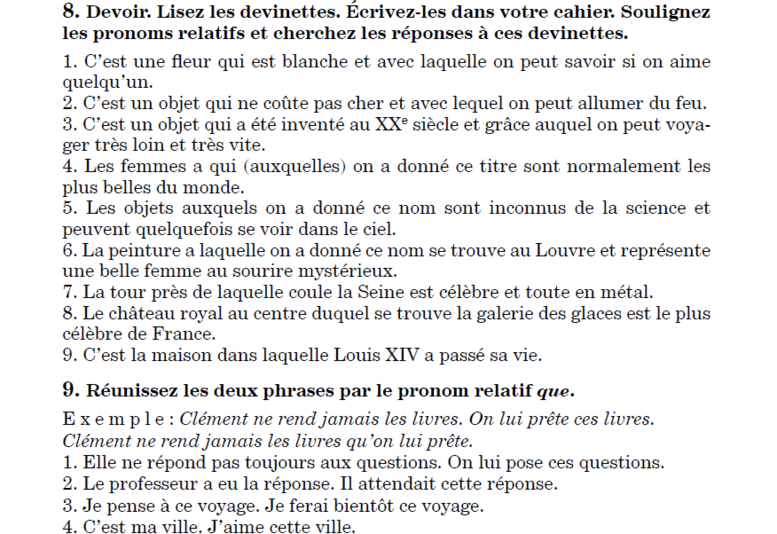
01.06.2020 р.
21 гр.
Тема: Контрольна робота
Тема: Підсумковий урок.
1рівень
1. Reponde aux questions en ecrivant la quantite:
Un + deux = ..............kilos
Trois +quatre= ………… kilos
Cinq+ six =………………..kilos
Six +six =……………….. kilos
Deux+ cinq=……………….kilos
Dix - cinq= ………………… kilos
2 рівень
Перекласти речення в український мові:
Il y a beaucoup de metier et de profession dans le monde . Parmi eux on peut citer ; agronome, artiste, bettonier, chauffeur, constructeur, electricien , ingenieur, journaliste, mecanicien , musicien, steno-dactylo, telephoniste, tourneur, tractoriste , trayeuse, vendeur, dessinateur ...
Il y a differentes manieres d’apprandre un metier . Ayant termine l’ecole de huit ans , les jeunes entrent dans les ecoles de cours, des ateliers, des bibliotheques. A l’epoque de la revolution scientifique et tehnique, on a besoin d’ouvriers. Ces ecoles forment des ouvriers hautement instruits. On prete une grande attention a la culture et au sport. L’eleve ne paie rien pour apprendre. Beaucoup d’entre eux touchent une bourse !
3 рівень
Expression :
1.Ecrivez de vous distractions préférées. Aimez-vous les jeux vidéo?
2.Combien de temps par jour passes-vous devant l’ordinateur?
3.Est-ce que c’est bien pour la santé? Argumentez votre réponse?
1.Розкажіть про свої улюблені захоплення?
2.Скільки часу протягом дня ви працюєте за комп'ютером?
3.Чи добре це для здоров'я? Аргументуйте вашу відповідь?
4 рівень
Написати твір-опис “Моє майбутнє”.
02.09.2020р.
11 гр.
Тема : Моя біографія
“Ma biographie”.
Chers tous,
Besoin d’aide pour écrire “Ma biographie”.
C’est un titre de mail que je reçois souvent. Des appels à l’aide de personnes qui ont besoin d’être accompagné, conseillé, épaulé pour écrire leur livre.
« Je ne sais pas comment écrire ma biographie mais je sais ce que je veux raconter. » Ou encore « Connaissez-vous un bon biographe qui puisse m’aider à raconter mon histoire ? »
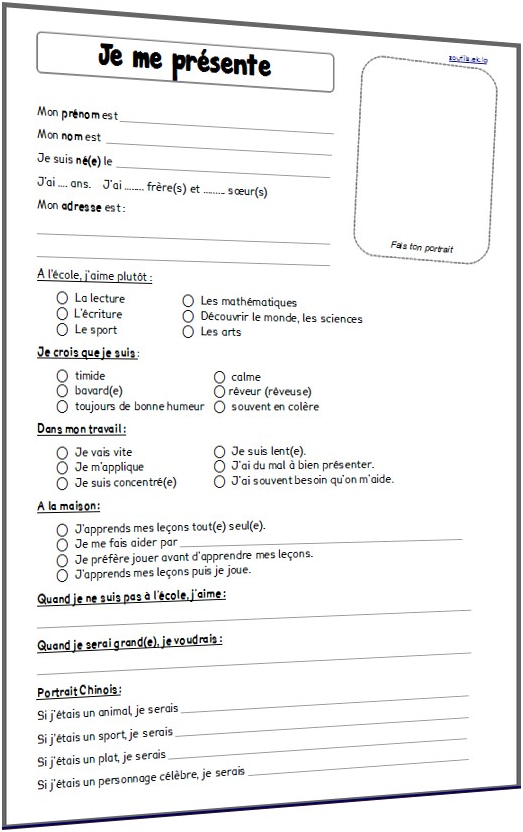
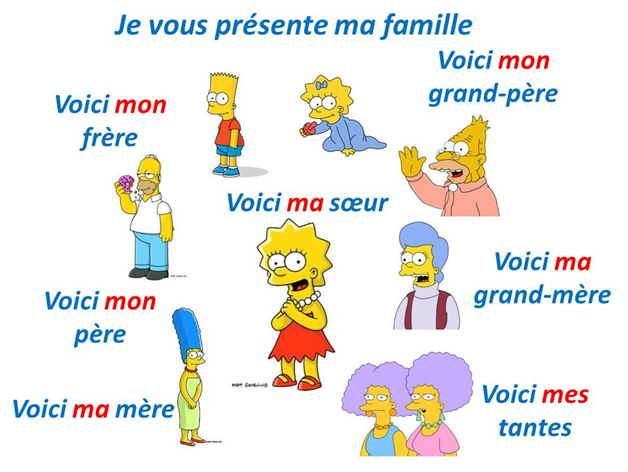
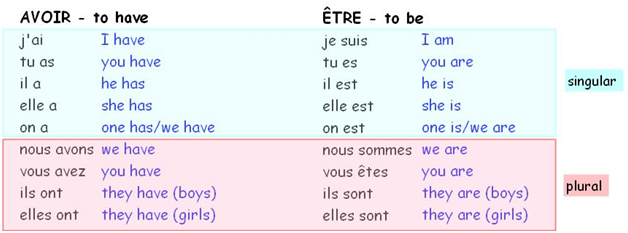
03.09.2020 р.
14 гр.
Тема : Моя біографія
“Ma biographie”.
Chers tous,
Besoin d’aide pour écrire “Ma biographie”.
C’est un titre de mail que je reçois souvent. Des appels à l’aide de personnes qui ont besoin d’être accompagné, conseillé, épaulé pour écrire leur livre.
« Je ne sais pas comment écrire ma biographie mais je sais ce que je veux raconter. » Ou encore « Connaissez-vous un bon biographe qui puisse m’aider à raconter mon histoire ? »