Picture 1.
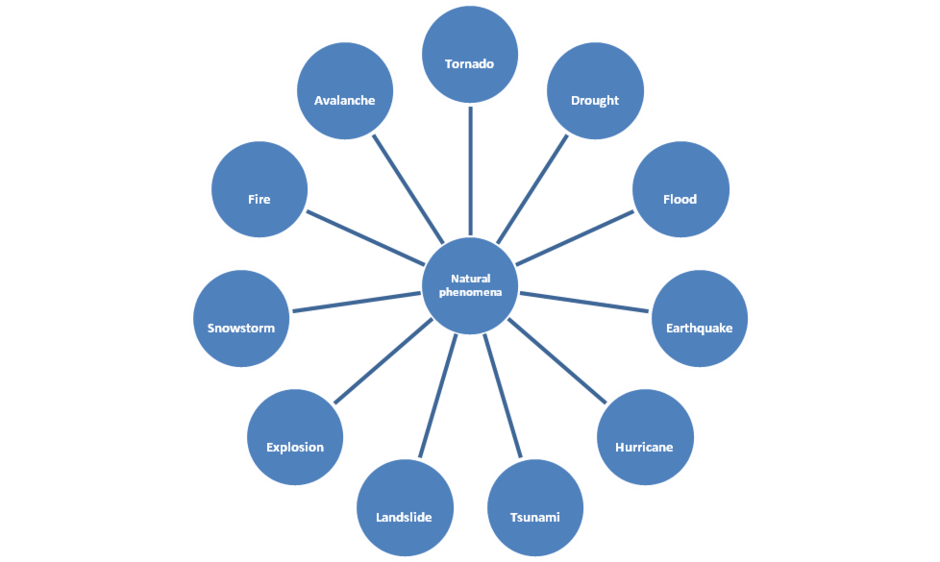
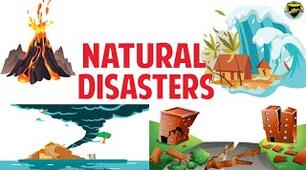
NATURAL DISASTERS
A disaster is an event that could hurt people and cause damages.
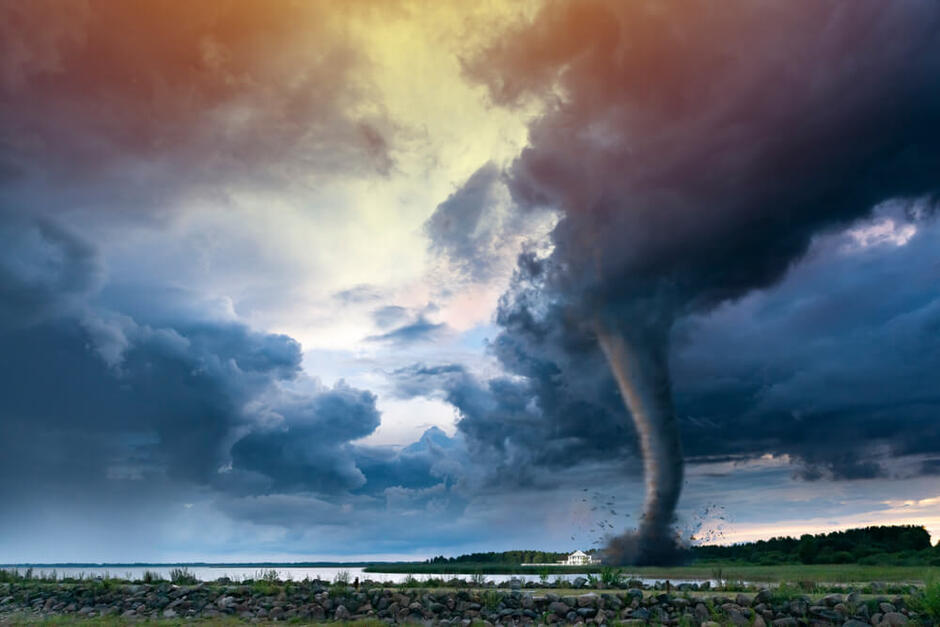
Tornadoes are violent wind movements. They are also called twisters or cyclones. Most people recognize them as a towering black funnel extending downward from the base of a large cumulonimbus cloud. It rotates at speeds up to 300 miles per hour or in some rare cases, even faster. The speed of the wind is the primary cause of deaths and destruction of property. Many people are killed by flying objects and debris (missiles). They happened in certain parts of Australia, the Midwestern and Southern of the United States. They also occur more frequently in the spring and summer months.
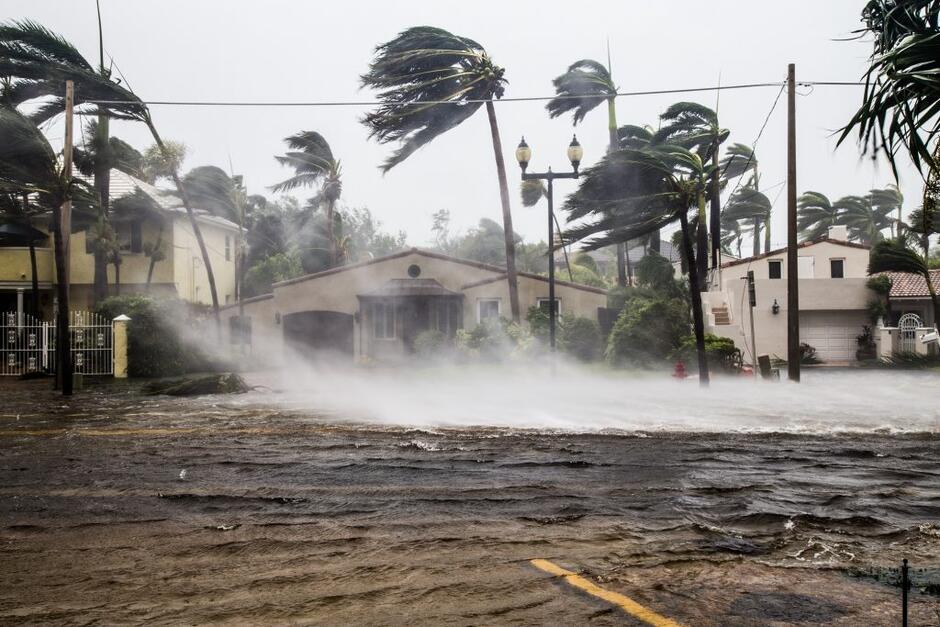
Hurricanes are seasonal storms and are most prevalent in August and September. Hurricanes are huge tropical cyclones that originate over oceans near the equator, such as the Caribbean Sea and the Gulf of Mexico. However, if they do reach land, destruction of property is imminent. Wind speeds of a hurricane range from seventy to one hundred fifty miles per hour. One of the most destructive elements of a hurricane is the huge waves that are formed because of the strong winds and heavy rains. These waves called a storm surge can rise several feet above water levels, especially during high tide.
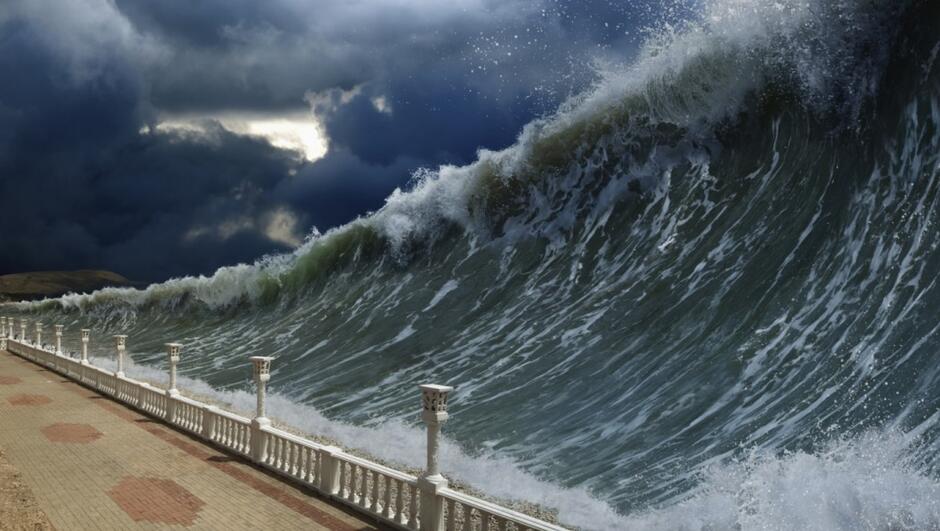
Tsunami is a large sea wave caused by a submarine earthquake or volcanic explosion. When the ocean floor is tilted or offset during an earthquake, a set of waves is created. Usually tsunamis move entirely across an ocean to the shore. A tsunami can have wavelengths of 60 to 120 miles and may reach speeds of 800 km/h. Tsunamis have incredible energy because of the great volume of water affected. Hawaii is the highest risk area.
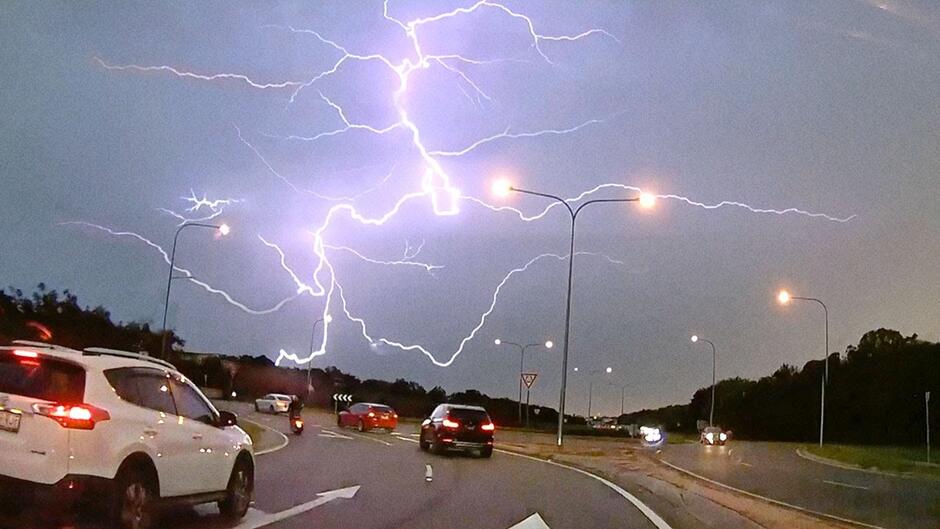
Lightning is characterized by the discharge of electricity between rain clouds or between a rain cloud and the Earth. It is usually seen as an arc of extremely bright light which can be many kilometers in length; however, there are other forms as well. Accompanying the lightning is the giant roar of thunder. The thunder is caused by the expansion of air that has been heated by the lightning which then collides with cooler air, creating the sound of an explosion. Lightning and thunder occur together, however we hear the thunder after we see the lightning. Sound waves travel about one mile in five seconds, while light travels at more than 186,000 miles per second. Therefore, lightning is seen immediately when it occurs, and thunder is heard a little later.
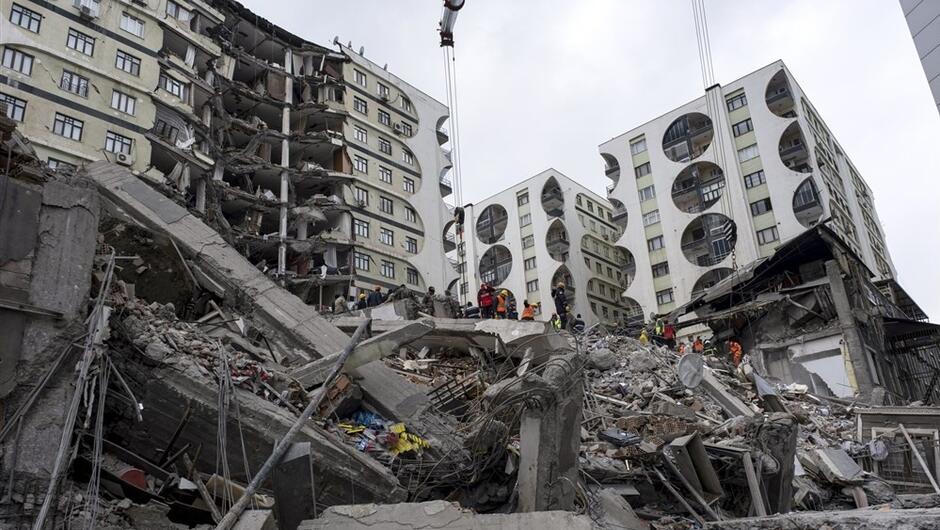
Earthquake is a shaking of the ground caused by the sudden dislocation of material within the earth’s outer layer, or crust. When forces pushing on a mass of rock overcome the friction holding the rock in place and blocks of rock slip against each other an earthquake may occur. Some earthquakes are so slight, and some occur in such remote areas, that they are barely felt. Others are so violent that they cause extensive damage. Earthquakes take place or have taken place in all parts of the world. There are two major scales in which earthquakes are measured: the Mercalli Scale and the Richter Scale.
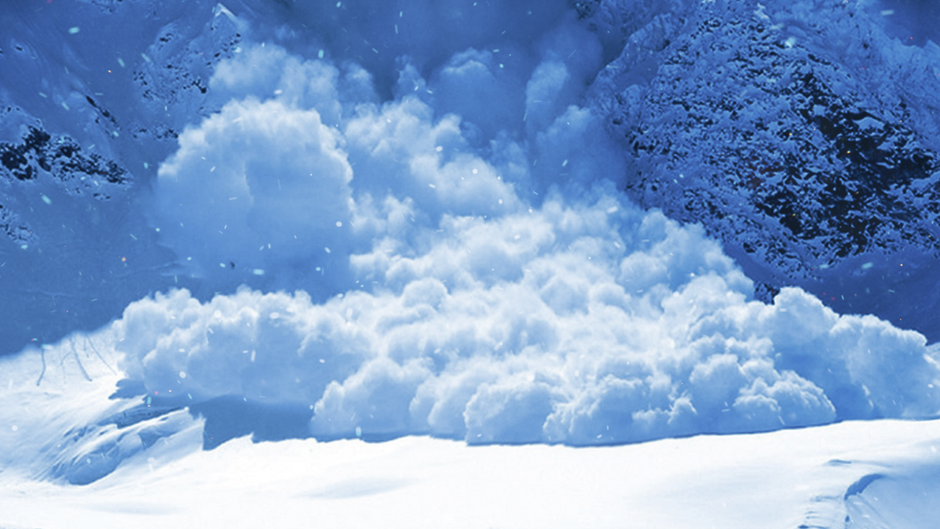
Avalanche occurs when a mass of snow falls down a mountainside. That is because new snow (which is not wet) accumulates on a more heavy snow layer. Since the new snow layer is not compact, it could slide down toward the base of the mountain. Skiers, snowboarders and climbers could also cause an avalanche.
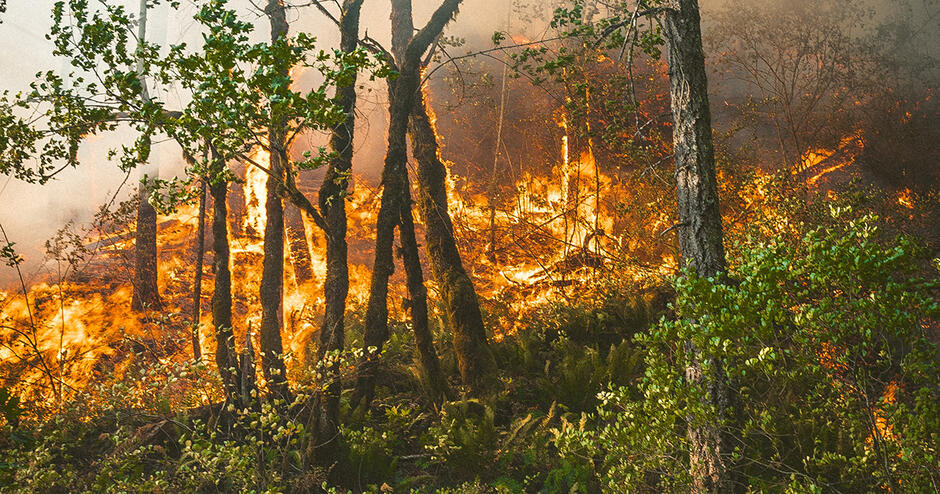
Wildfires are dangerous for all people living near woodlands. In the wild, wildfires are ignited by lightning. But some wildfires are caused by careless campers who did not extinguish their campfire or by walkers who threw their cigarettes in the woods. 80 % of wildfires are caused by careless people.
Wildfires do not only have bad effects. In fact, the many dead pin needles, leaves and tree trunks on the ground are burnt to ashes by wildfires. These ashes are full of minerals and help the growth of new trees.
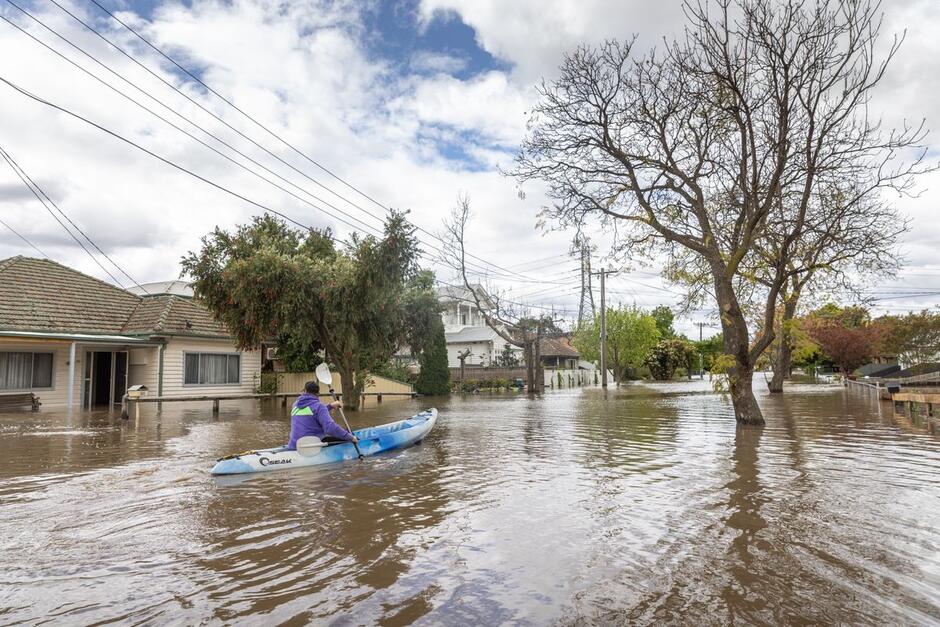
Floods happen when a watercourse overflows. They could be caused by rain, thaws of ice jams.
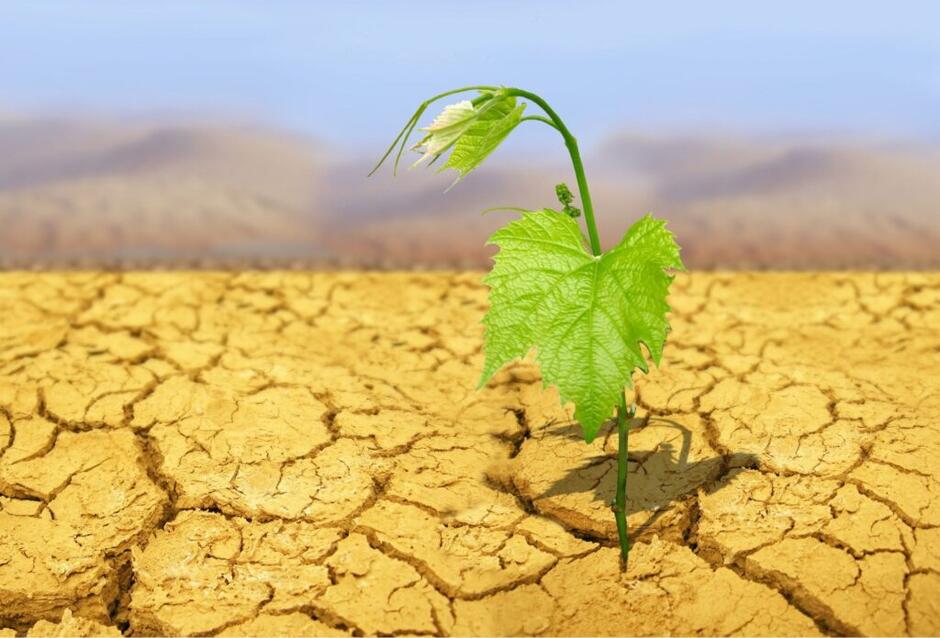
Drought is a period or condition of unusually dry weather within a geographic area where rainfall is normally present. During a drought there is a lack of precipitation. Droughts occur in all climatic zones. However, its characteristics vary significantly from one region to another.
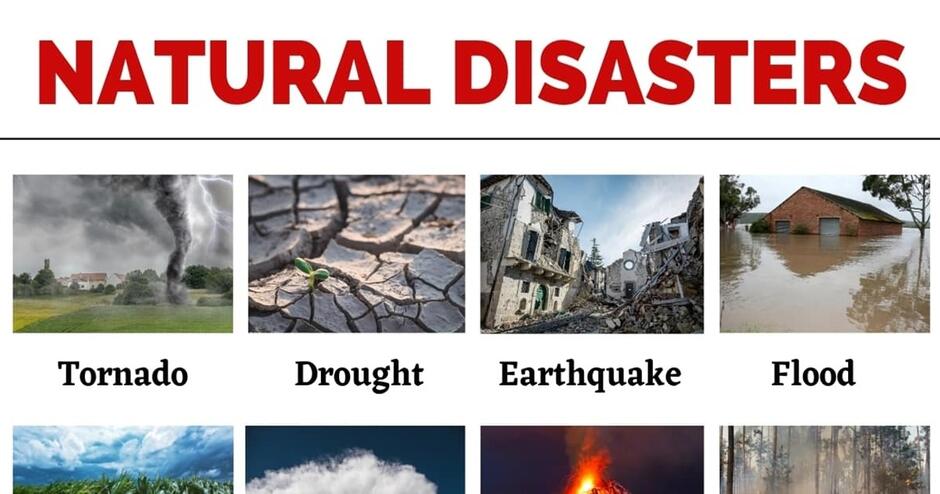
Multimedia presentation "Natural Disasters". Щоб переглянути презентацію натиcніть тут.

.png)

.png)