Flashcards work best when they leverage active recall—forcing your brain to retrieve information rather than just rereading it—and spaced repetition to strengthen long-term memory.
To work effectively with flashcards, focus on active recall (saying answers aloud), use one concept per card, incorporate visuals, and interleave topics, rather than studying one subject repeatedly. Test yourself by looking at the front (question/term) and trying to recall the back (answer/definition), then check for accuracy, repeating sessions with shuffled cards to strengthen memory.
How to Make Effective Flashcards
One Idea Per Card: keep it simple with one question/concept per card to avoid overwhelming your brain.
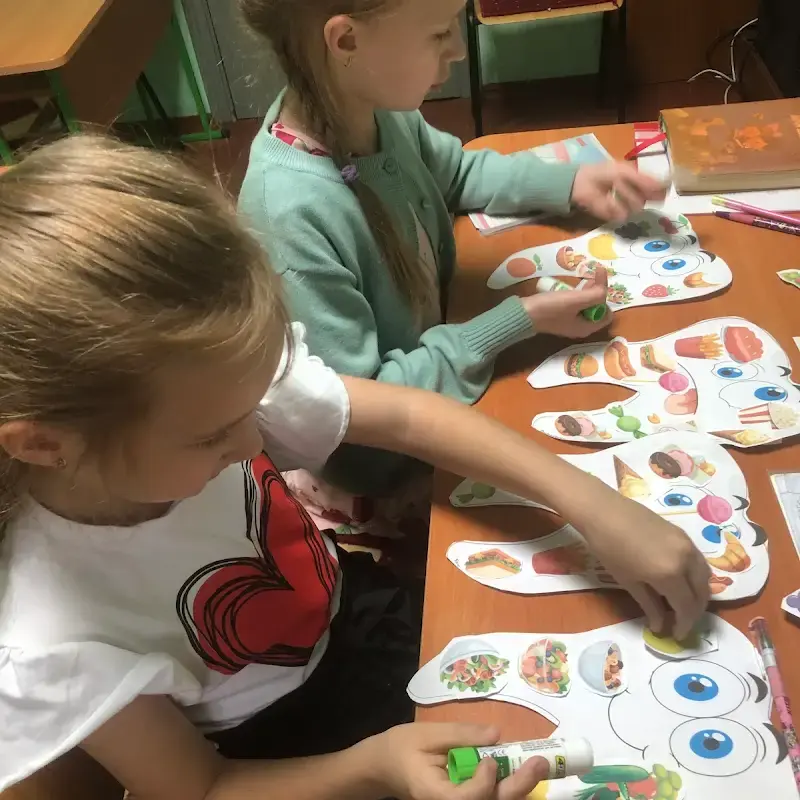
Combine words and pictures: add simple drawings or images to boost memory recall (the "Picture Superiority Effect").
Use the words of your own: personalizing the content strengthens memory connections.
How to Use flashcards for Studying
Active Recall: Look at the front, say the answer out loud, then flip to check.
Don't Just Read: Say the answer aloud to hold yourself accountable and enhance memory.
Interleave: Mix up your cards and topics (e.g., history, biology, math) to avoid autopilot learning.
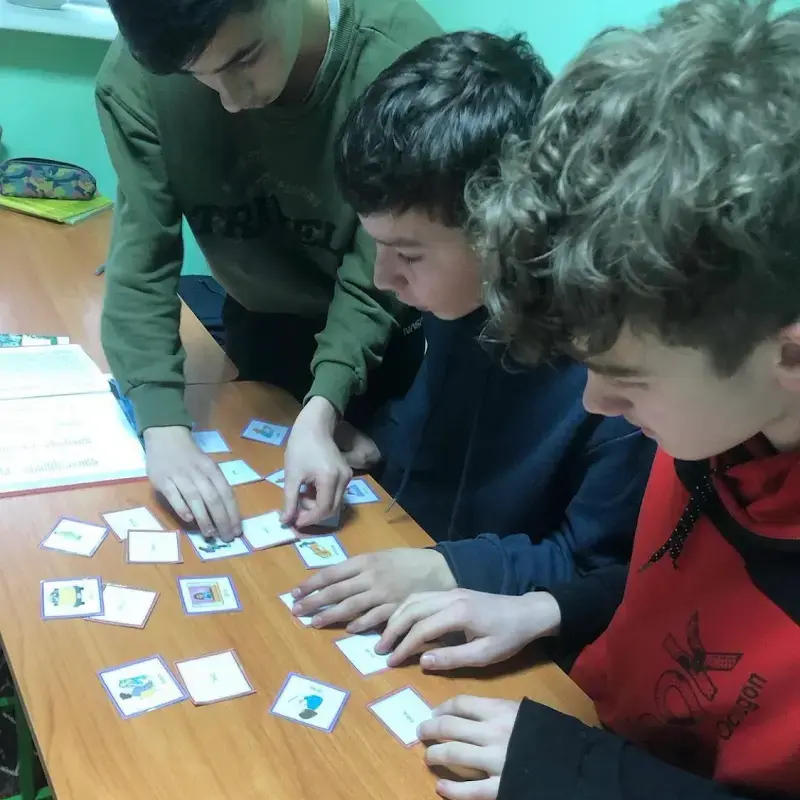
Vary Your Practice: Use different activities like "what's missing," pointing to cards, or even making it a game.
Scheduling Techniques
Spaced Repetition: Instead of cramming, review at increasing intervals (e.g., 24 hours, 1 week, 2 weeks, 1 month).
The Leitner System (Five-Box Technique):
Place all new cards in Box 1 and study them daily.
Move cards you get right to Box 2 (study every 2nd day), then Box 3 (every 3rd day), and so on.
Best Practices for Studying
Say it Out Loud: Reciting the answer before flipping the card prevents you from "cheating" yourself by seeing the answer too early.
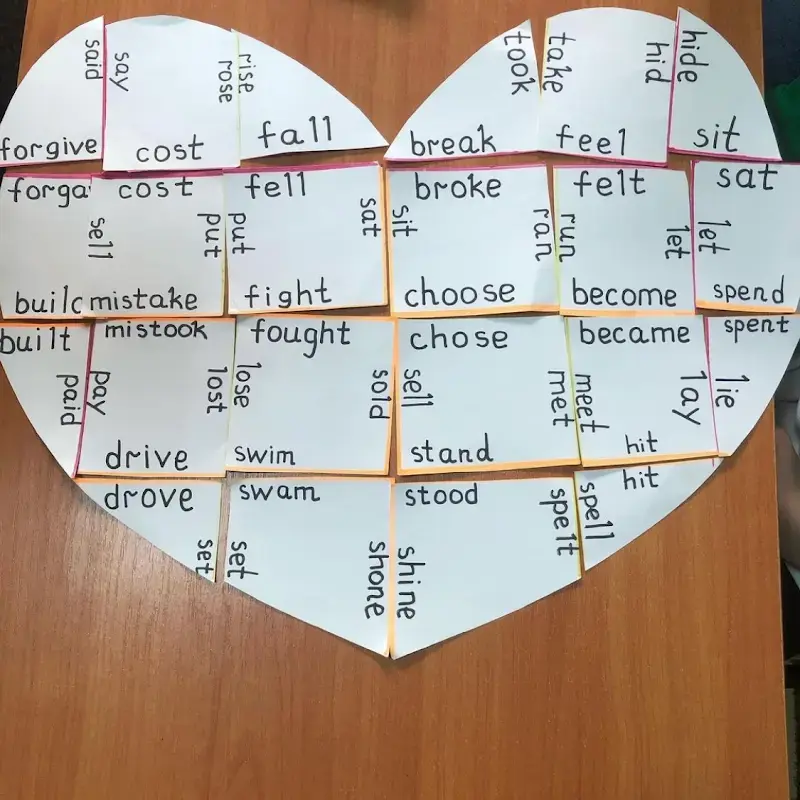
Study Both Sides: Test yourself in both directions (e.g., term-to-definition and definition-to-term) to ensure deep understanding.
Interleaving: Mix different subjects or topics within one study session so your brain doesn't go on "autopilot".
Don't Stop at the First Win: Continue reviewing a card until you can get it right consistently, rather than just once.